Jaw Pain is Not Normal
If you experience jaw pain regularly, you might have come to accept it as a normal part of life. However, jaw pain is anything but normal and may signal the presence of TMD, which affects one or both of your TMJs. These are the joints located in the lower jaw, and when they become misaligned or inflamed, it leads to pain and other related symptoms.
- Headaches
- Earaches and tenderness around the ear
- Face or jaw pain and tenderness
- Muscle pain in your neck, shoulders, and upper back
- Ringing in the ears
- Clicking, popping, or grinding sounds in your jaw
- Difficulty chewing, yawning, or opening your mouth
What Are the Signs of TMJ Disorder (TMD)?
Here are some common signs and symptoms of TMD:
Give us a call to schedule or visit our dental office Port Dover residents trust!
How Do We Diagnose and Treat TMJ Disorder?
Diagnosis
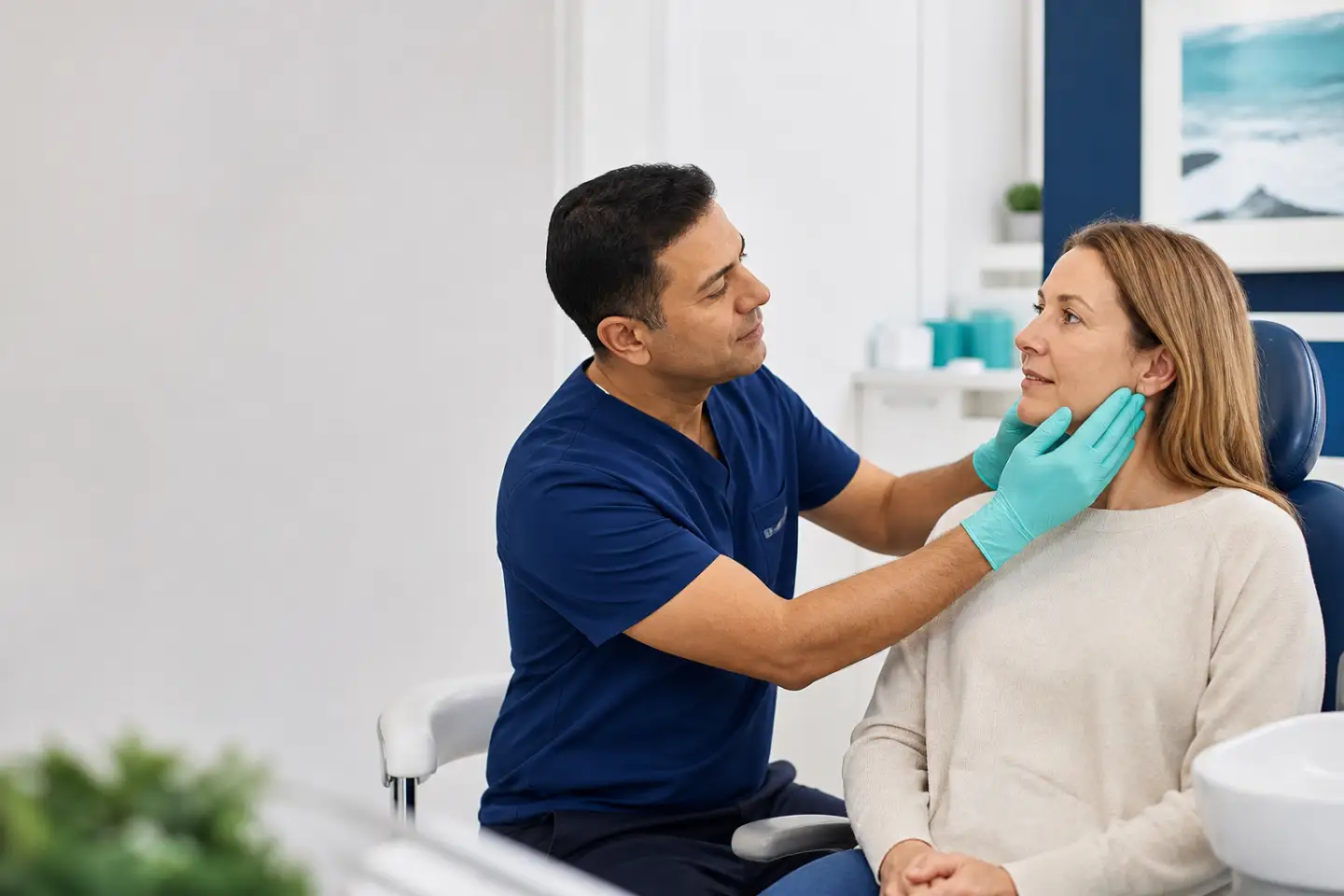
Diagnosing TMD begins with a comprehensive clinical examination, where we assess the face, jaw, bite, joints, and teeth. We check for any pain or tenderness and listen for any clicking or popping sounds when you open and close your mouth, swallow, or chew. Once TMD is diagnosed, we typically recommend a bite splint or night guard as an initial treatment option.
Treatment and Relief
Our approach to treating TMD includes using bite splints—custom-made plastic mouthpieces designed to fit over your upper and/or lower teeth. These devices help prevent grinding and clenching, both of which can cause or worsen TMD. Additionally, bite splints work to realign the jaw, relieving stress on the surrounding muscles and joints.
Alternative Treatment Options
If a misaligned bite or missing teeth is contributing to your TMD symptoms, we may suggest orthodontic treatment or restorative dental work. If the misalignment places undue pressure on the TMJs, we may recommend reshaping certain teeth to help redistribute bite forces evenly.
Contact us today
to schedule an initial consultation & exam.
Your consultation will include an examination of everything from your teeth, gums and soft tissues to the shape and condition of your bite. Generally, we want to see how your whole mouth looks and functions. Before we plan your treatment we want to know everything about the health and aesthetic of your smile, and most importantly, what you want to achieve so we can help you get there.
Winner Of The Three Best Rated Award
Dr. Bukhari is the winner of the 3 Best Dentists in Norfolk.
Frequently Asked Questions
TMJ stands for Temporomandibular Joint, the joint connecting the lower jaw to the skull. When this joint becomes misaligned or inflamed, we refer to this as Temporomandibular Joint Disorder (TMD).
Symptoms of TMD include:
- Pain and tenderness around the ear, jaw joint, or muscles of the jaw, face, or temples
- Difficulty opening or closing your mouth
- Clicking, popping, or grinding noises when you chew, yawn, or open your mouth
- Possible neck pain and headaches
TMD can be caused by a variety of factors, including jaw injuries, joint disease (such as arthritis), and bruxism (tooth clenching or grinding). Stress, head or neck muscle tension, and habits like fingernail biting or chewing on pens or pencils can also contribute. The exact cause of TMD can be difficult to pinpoint, which is why a thorough examination by a Dentist in Port Dover ON is essential to get to the root of your symptoms.
Headaches have many potential causes. Only a physical examination can help determine whether TMD is the underlying cause of your headaches. A dentist can help assess whether your jaw pain is related to your headaches.
Most cases of TMJ pain can be treated effectively with non-invasive treatments and therapies. In rare instances, surgery may be necessary. At your consultation, we will discuss all your options, prioritize the least invasive treatments, and allow you to make the final decision regarding your treatment plan. Your health and well-being are our top priority.
Google Verified Patient Reviews