Protect Weakened Structure
Full coverage can reinforce a tooth affected by a large filling, crack, fracture or substantial loss of enamel.
Port Dover Family Dentistry
Dental crowns in Port Dover restore damaged, discoloured or misshapen teeth with custom-made restorations designed for strength, comfort and a natural look.
Let’s get you smiling
Tell us how we can help. Our team will follow up to confirm a time.
Dental crowns in Port Dover
A dental crown is a custom-made cap that covers the visible part of a damaged, heavily restored, discoloured or misshapen tooth. It can restore strength, shape and appearance while allowing the tooth to function more comfortably.
Crowns may also form part of a dental bridge or complete a dental implant. Material, preparation and design are selected for the tooth’s location, the available structure, biting forces and the appearance you want to achieve.
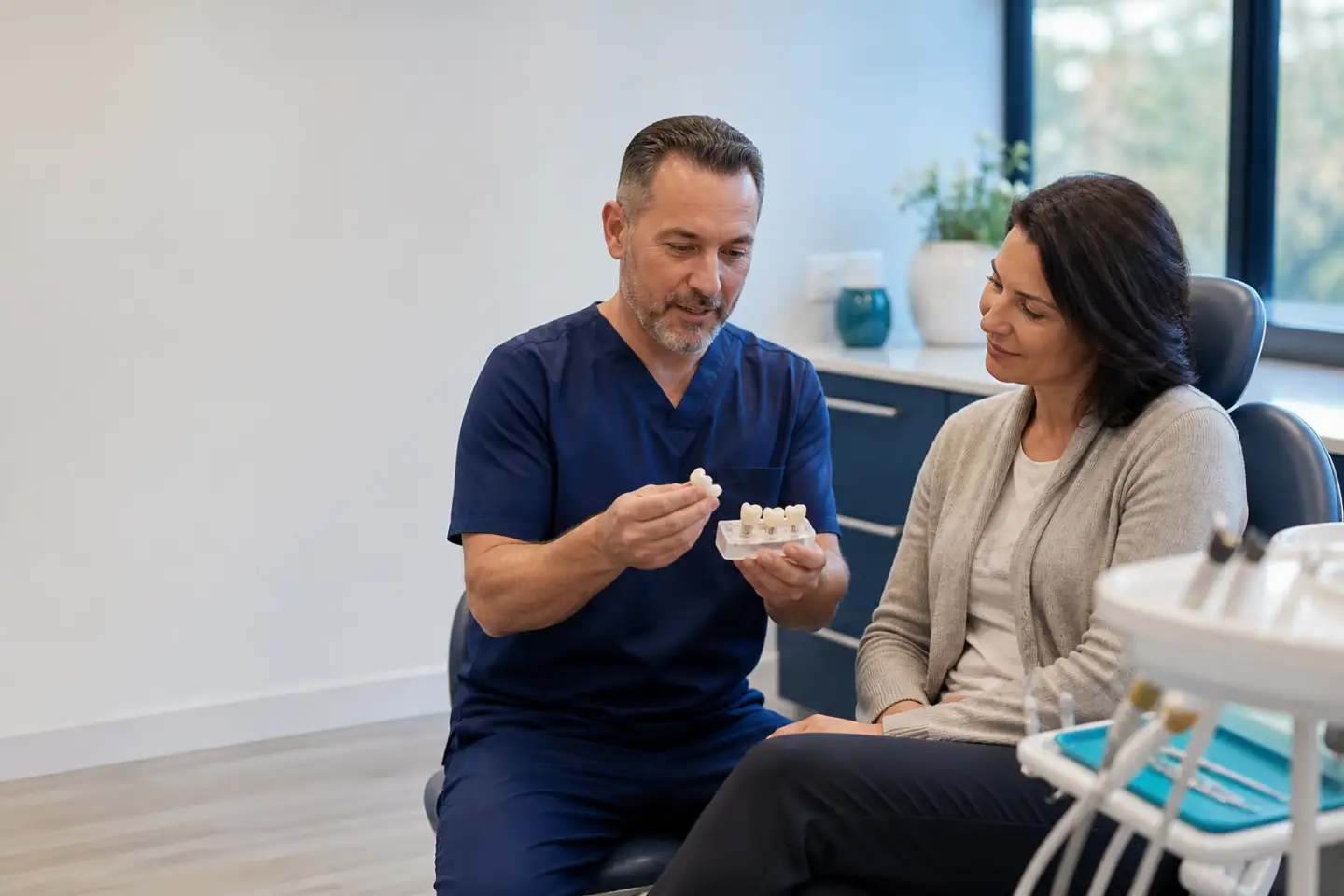
Strength meets aesthetics
A crown surrounds the prepared tooth from the biting surface toward the gumline, creating a durable restoration shaped and shaded to work with the rest of your smile.
Why a crown may be recommended
Full coverage can reinforce a tooth affected by a large filling, crack, fracture or substantial loss of enamel.
A crown rebuilds the chewing surface and can improve contact with the opposing teeth when the bite is carefully adjusted.
Ceramic materials can be designed to blend with natural teeth while correcting significant shape or colour concerns.
Crowns can restore some root-canal-treated teeth, anchor a bridge or attach to a dental implant.
What to expect
A custom crown commonly involves two visits, although the exact sequence depends on the tooth, restoration type and supporting treatment.
The dentist evaluates the tooth and surrounding tissues, removes decay or damaged material and shapes the remaining structure so the crown can fit securely. Additional support may be needed when little tooth structure remains.
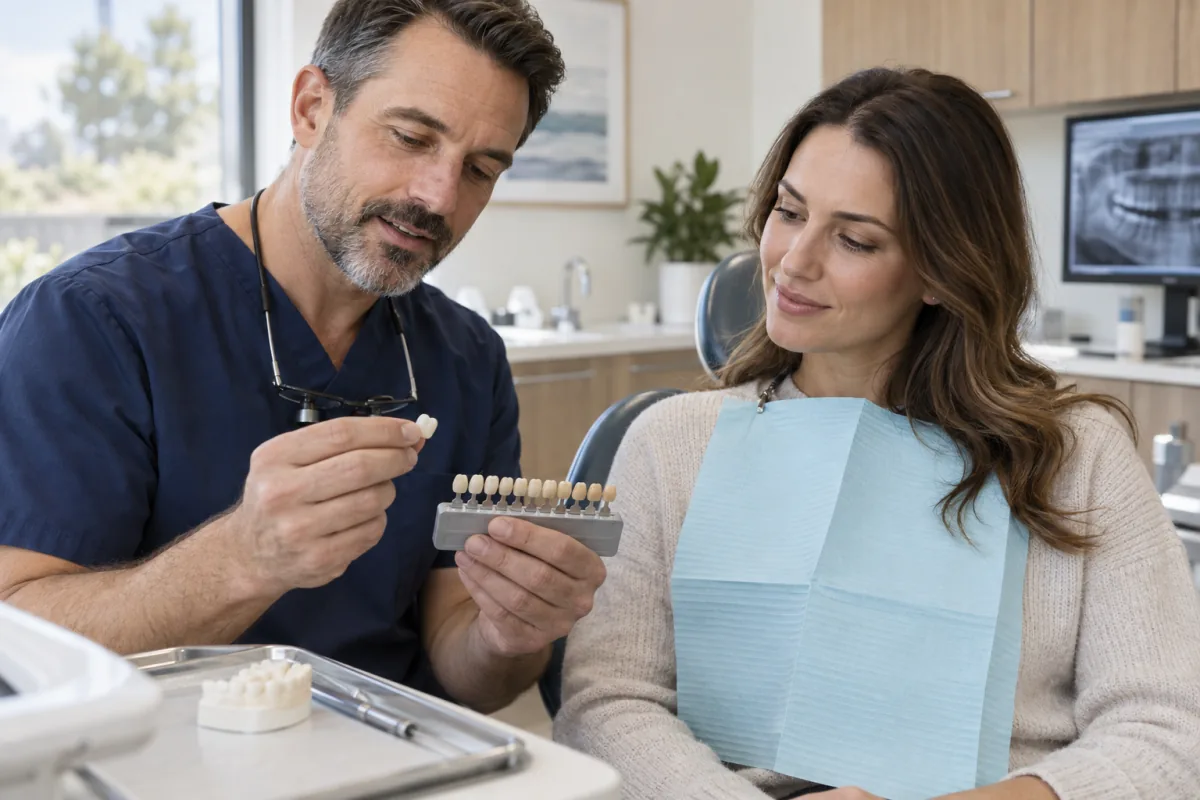
An impression or digital record captures the prepared tooth, neighbouring teeth and bite. A shade is selected and a temporary crown protects the tooth while the custom restoration is created.
At the follow-up visit, the temporary crown is removed. The final crown is checked for fit, contacts, shade and bite before it is cemented or attached to an implant and polished.
The final fit matters
A crown is more than a protective shell. Its contours affect chewing, neighbouring tooth contact, gum access and the way your upper and lower teeth meet.
We assess the restoration from several angles and make fine adjustments before treatment is complete.
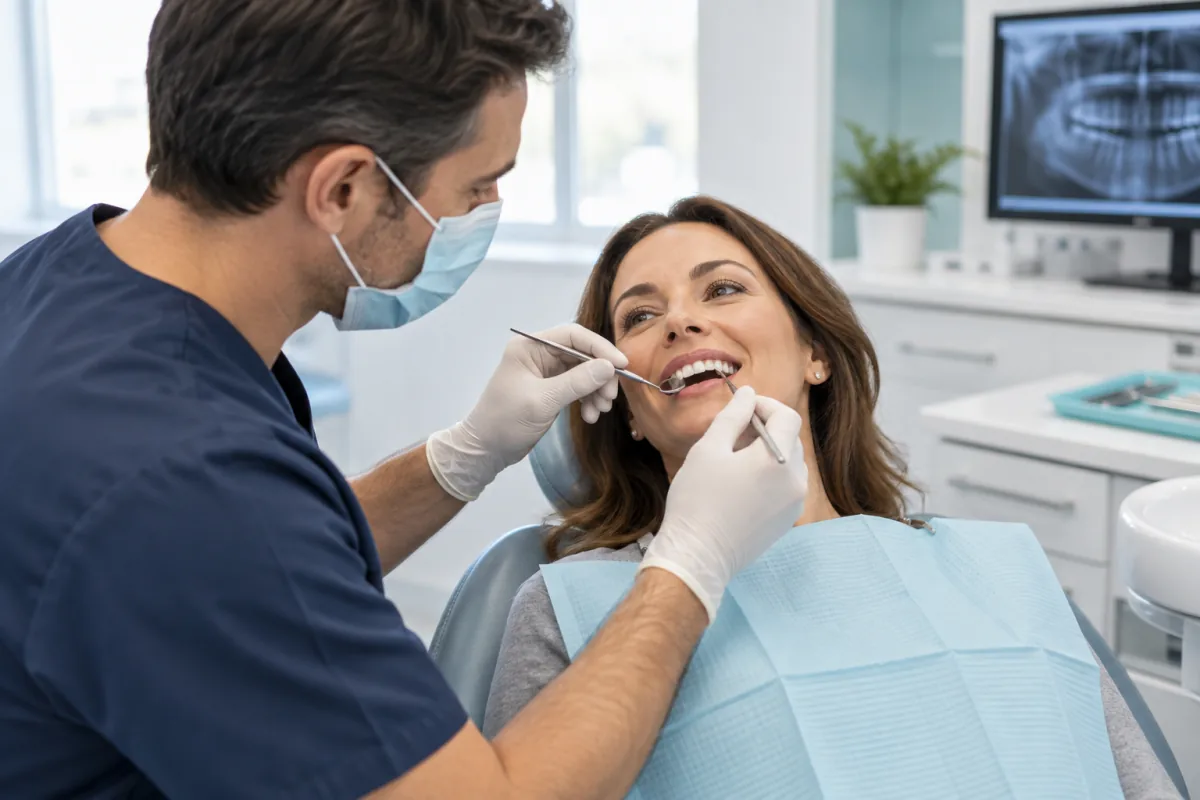
The edge of the crown must fit closely around the prepared tooth to support cleaning and long-term stability.
The crown is checked against neighbouring and opposing teeth so the bite does not feel high or uneven.
Shade, shape and surface texture are refined so the restoration blends with the surrounding smile.
When full coverage may help
The amount and quality of remaining tooth structure determine whether a filling, inlay, onlay or crown is the more predictable restoration.
A tooth with little natural structure around a large restoration may need broader protection from chewing forces.
A crown may help hold together a restorable cracked or broken tooth after the extent of damage is assessed.
Back teeth often need a crown after root canal treatment, while some front teeth may be restored differently depending on structure and forces.
Crowns can support a bridge or form the visible replacement tooth attached to a dental implant.
A crown cannot make every damaged tooth predictable. The tooth, root, surrounding bone and gum health must be assessed before treatment is recommended.
Caring for a crown
A crown cannot decay, but the supporting tooth can develop decay at the edge and the surrounding gums can become inflamed.
Brush twice daily, floss around the crown and attend regular cleanings and examinations. Your dentist will monitor the margins, bite and supporting tooth over time.
Avoid chewing ice or using teeth as tools. Tell us if the crown feels loose, the bite changes or you notice persistent pain, sensitivity or gum swelling.
Treatment costs
Crown fees vary with the tooth, restoration material, laboratory work and any additional treatment needed to create adequate support.
With insurance
$200–$600+
Average cost for one crown
Without insurance
$800–$1,300+
Expected cost for one crown
The estimate reflects the complete clinical and laboratory requirements of the restoration.
An examination is needed to determine whether a crown is appropriate and provide an accurate estimate. We can prepare an estimate for submission to your insurance provider so you can understand expected out-of-pocket costs before deciding on treatment.
Helpful information
It depends on the tooth and remaining structure. Molars and premolars often need crowns because they carry heavy chewing forces, while some incisors and canines may be restored without full coverage.
Neither is universally better. A filling is more conservative when enough healthy tooth remains. A crown provides broader coverage when a tooth is substantially weakened, cracked or heavily restored.
Tooth-coloured crowns are designed to match the colour, shape and proportions of nearby teeth. Material and location influence how closely the restoration can blend with natural enamel.
A dental post is placed inside a prepared root-canal-treated tooth to help retain a core when insufficient structure remains to support a crown. It is different from a dental implant, which replaces a missing root in the jawbone.
The tooth is numbed during preparation, much like a filling. Temporary sensitivity or gum soreness can occur afterward. Contact the office if discomfort is severe, worsening or does not settle as expected.
A crown can last many years, but lifespan varies with material, tooth position, biting forces, oral hygiene and the health of the supporting tooth. Regular examinations help identify wear or margin changes early.
Brush and floss around the crown as you would a natural tooth and attend routine professional cleanings and examinations. Daily plaque removal protects the crown margin and surrounding gums.
Once a permanent crown is placed and the bite is comfortable, most people eat normally. Avoiding very hard or sticky foods can reduce the risk of fracture or dislodgement, especially while wearing a temporary crown.
Crowns may be made from porcelain, other ceramics such as zirconia, metal alloys, resin or combinations of materials. The preferred option depends on tooth location, biting forces, available space and appearance.
Recognized year after year
Best Dentists in Norfolk
Proudly recognized among Norfolk’s top-rated dental practices for six consecutive years.

2021 Winner

2022 Winner

2023 Winner

2024 Winner

2025 Winner

2026 Winner
Stories from our patients
Watch a patient’s experience and browse more five-star reviews from people who have visited our Port Dover dental clinic.
Patient video
A patient shares the welcoming atmosphere and positive experience they found at our Port Dover office.
Google reviews
Swipe or use the arrows
Read all reviewsOur community
Your next visit can start today
New patients and CDCP patients are welcome. Tell us how we can help and our Port Dover dental team will follow up with you.
Evening appointments Monday and Tuesday