
Patient video
Welcoming and Wonderful Practice
A patient shares the welcoming atmosphere and positive experience they found at our Port Dover office.
★★★★★
Port Dover Family Dentistry
Not every wisdom tooth needs removal. La Salette patients can learn how impacted or problem wisdom teeth are assessed, when referral is used and how to recover.
Let’s get you smiling
Tell us how we can help. Our team will follow up to confirm a time.
Caring for La Salette patients at our Port Dover office
See every dental service for La SaletteKeep, watch or remove
Wisdom teeth are the third molars, usually appearing in the late teens or early twenties. Some come in fully and work like other teeth. Others are impacted, partially erupted or angled, which can lead to pain, infection, decay or damage to neighbouring teeth. Not every wisdom tooth needs to come out.
Teens and adults from La Salette can have their wisdom teeth assessed at our Port Dover office. The dentist will review X-rays and symptoms, explain whether removal is recommended and discuss whether the procedure can be done in the office or by referral.
Assessment
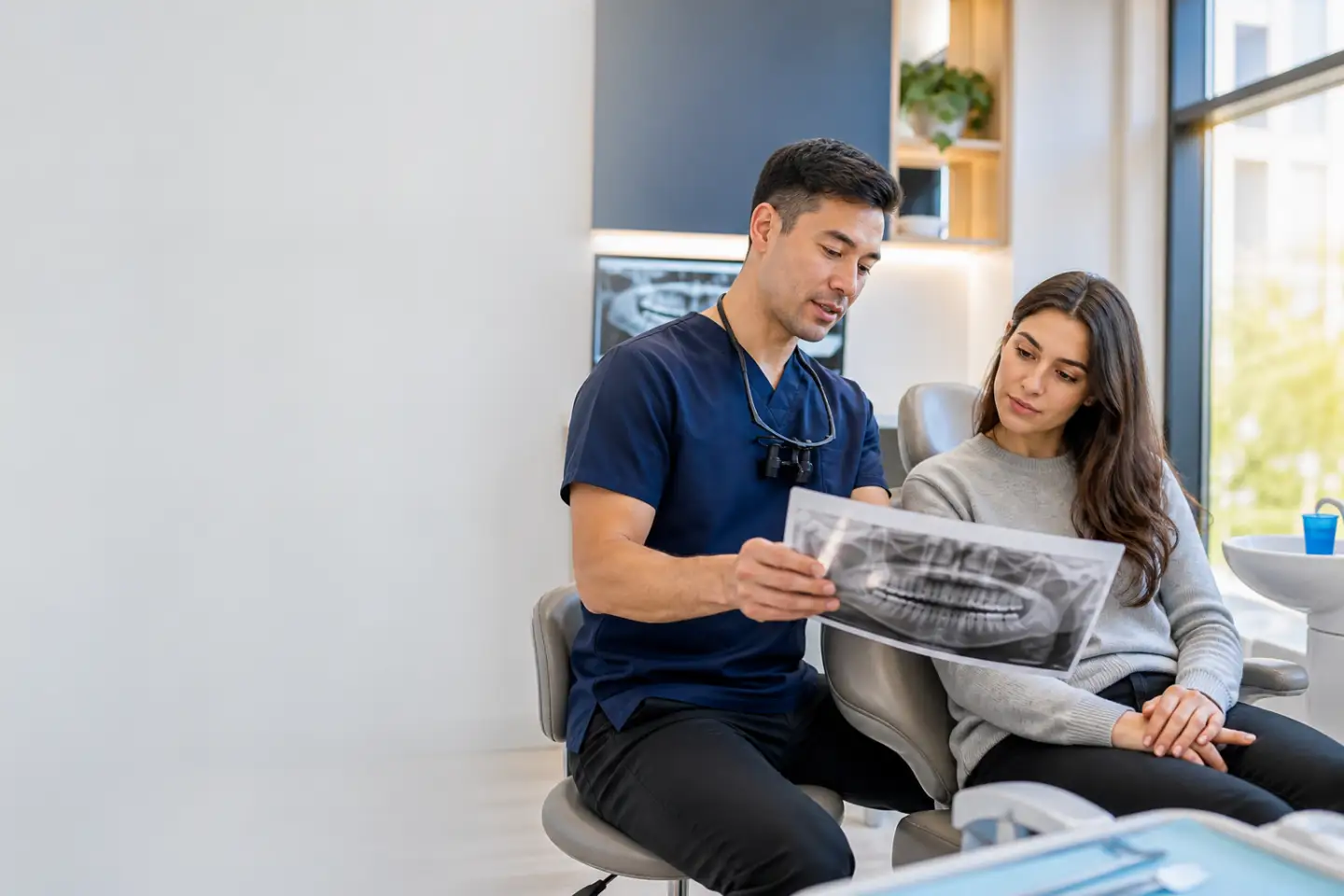
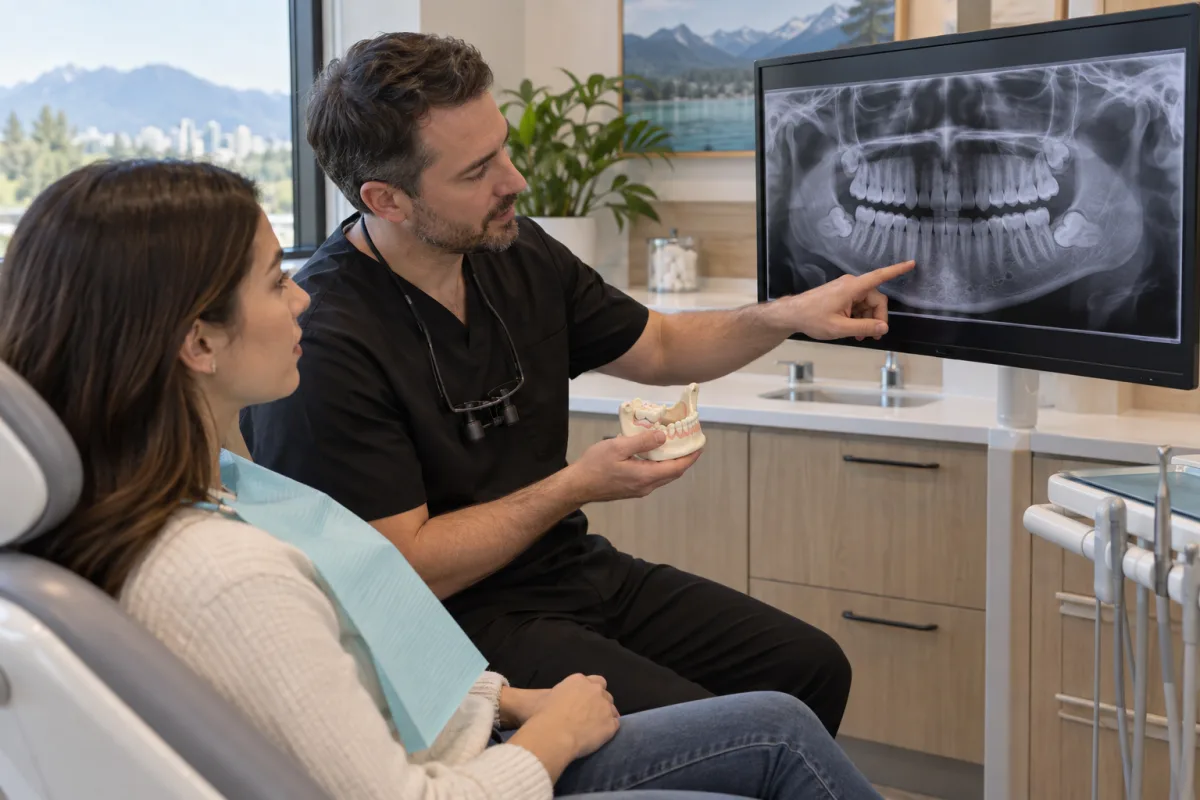
X-rays, often panoramic images, show the position, angle and root development of wisdom teeth and their relationship to nerves and sinuses. This helps the dentist predict whether teeth will erupt properly or cause problems. In some cases, more detailed imaging may be recommended.
Pain, swelling, gum infection around a partially erupted tooth, food trapping, decay in the wisdom tooth or the neighbouring molar, and cysts are reasons removal may be suggested. If wisdom teeth are healthy and functional, monitoring may be appropriate instead.
Making a decision
Removal is often recommended when wisdom teeth cause repeated infections, damage neighbouring teeth, cannot be cleaned properly or are likely to cause future problems based on their position. Removing them when younger may be easier, as roots are less developed and healing is often faster.
Wisdom teeth that are fully erupted, healthy, cleanable and functional may not need removal. They should be monitored with regular checkups and X-rays. Ask the dentist to explain the benefits and risks of removal versus monitoring for your situation.
The procedure
Wisdom teeth are removed under local anaesthetic, often with sedation for comfort. Complex impacted teeth may be referred to an oral surgeon. If sedation is used, follow pre-appointment instructions about eating and drinking, and arrange for someone to drive you home.
The dentist or surgeon may make a small incision in the gum and sometimes divide the tooth into sections for easier removal. Stitches may be placed. Gauze is used to control bleeding. You will receive detailed aftercare instructions before leaving.
Recovery
Expect some swelling, bruising and discomfort for a few days. Use cold compresses, take pain relief as directed and eat soft foods. Avoid smoking, straws, spitting and vigorous rinsing to protect the blood clot. Rest and limit strenuous activity for the period advised.
Contact the office if pain worsens after a few days, swelling increases, you develop fever, notice a bad taste or experience numbness that does not fade. Seek emergency care for difficulty breathing or swallowing. Attend any follow-up visits to check healing.
Planning your appointment
Book an assessment at our Port Dover office and mention any pain, swelling or recent X-rays. If removal is planned, arrange transportation if sedation will be used.
Stock up on soft foods and plan time to rest after the procedure, especially if more than one tooth is removed.
Before you book
Have a question about your situation? Our team can help you plan a visit.
No. Healthy, fully erupted and cleanable wisdom teeth may not need removal. The dentist will assess position, health and symptoms to make a recommendation.
An impacted tooth cannot fully erupt because it is blocked by bone, gum or another tooth. It may cause pain, infection or damage to neighbouring teeth.
Initial recovery often takes several days to a week. Full healing of the bone takes longer. Following aftercare instructions helps reduce complications and supports healing.
Local anaesthetic numbs the area, and sedation may be offered for comfort. Deeper sedation may be available with an oral surgeon. Discuss options with the dentist.
A dry socket happens when the blood clot is lost, exposing bone. It causes increasing pain a few days after extraction. Contact the office for treatment if it occurs.
When a tooth cannot be saved, removal may be the next step. La Salette patients can learn how extractions are planned and what healing usually looks like.
When a tooth is badly broken or infected, urgent removal may be advised. La Salette patients can learn how the decision is made and how to recover.
Recognized year after year
Best Dentists in Norfolk
Proudly recognized among Norfolk’s top-rated dental practices for six consecutive years.

2021 Winner

2022 Winner

2023 Winner

2024 Winner

2025 Winner

2026 Winner
Stories from our patients
Watch a patient’s experience and browse more five-star reviews from people who have visited our Port Dover dental clinic.
Patient video
A patient shares the welcoming atmosphere and positive experience they found at our Port Dover office.
Google reviews
Swipe or use the arrows
Read all reviewsYour next visit can start today
New patients and CDCP patients are welcome. Tell us how we can help and our Port Dover dental team will follow up with you.
Evening appointments Monday and Tuesday