
Patient video
Welcoming and Wonderful Practice
A patient shares the welcoming atmosphere and positive experience they found at our Port Dover office.
★★★★★
Port Dover Family Dentistry
Avoiding a sensitive area when brushing? Ask for a gentle cleaning demonstration while the cause is assessed. Explore practical sensitivity care from Waterford.
Let’s get you smiling
Tell us how we can help. Our team will follow up to confirm a time.
Sensitivity assessments for Waterford residents are held at our Port Dover practice
All dental services for WaterfordNotice the trigger and what happens afterward
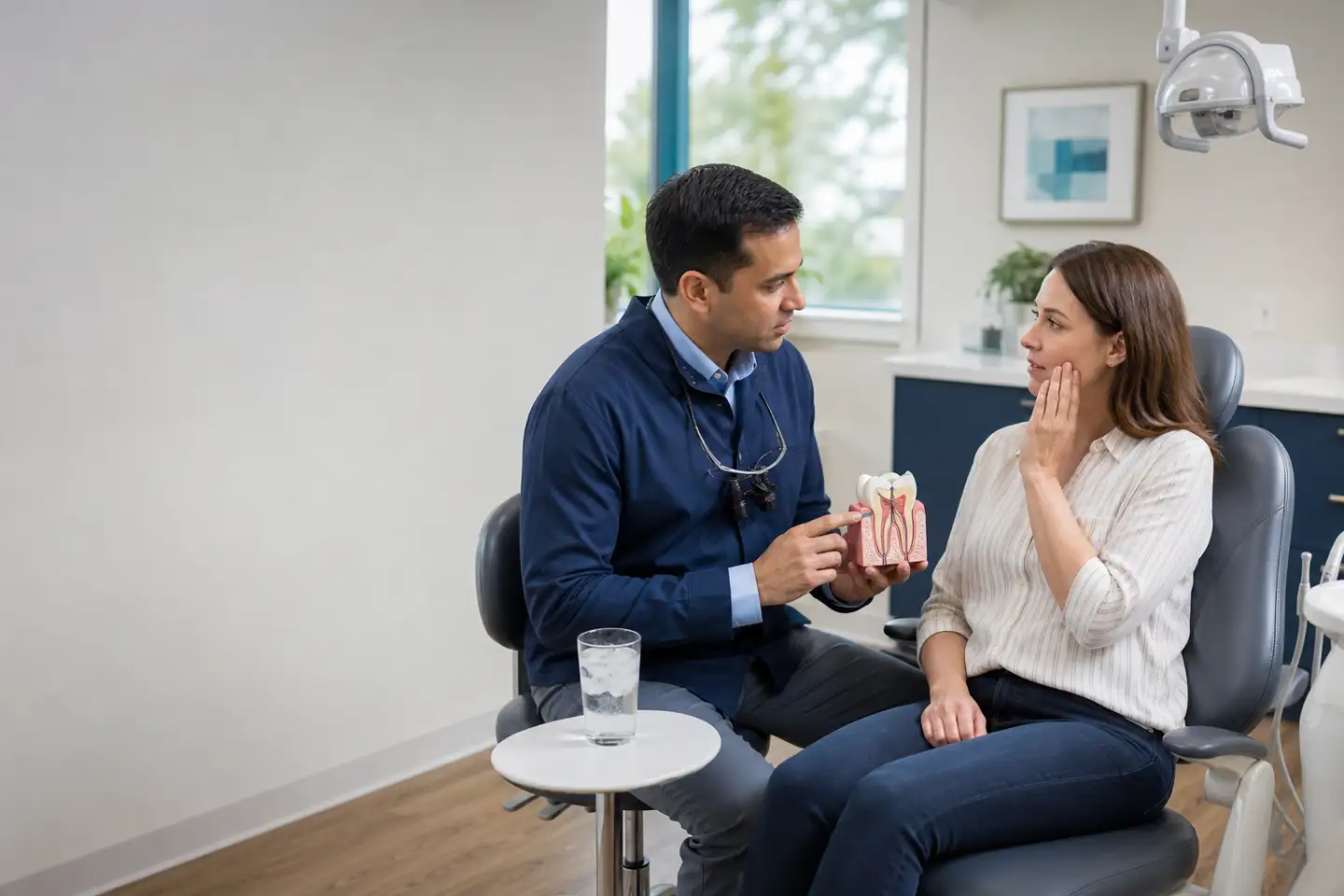
Cold water, brushing or a particular food may make one tooth react, or the sensation may seem to involve several teeth. It is tempting to call all of it sensitivity and keep avoiding the trigger. Describing the pattern helps the dentist investigate why it is happening and whether a specific tooth needs treatment.
Waterford residents can arrange an assessment at our Port Dover office and explain when the reaction began. Mention recent dental care, whitening, gum changes or damage you have noticed. The aim is to connect relief with the cause, rather than keep trying products without knowing what problem they are meant to address.
Give the symptom a useful description
Tell the clinician whether the discomfort stops when the trigger is removed or continues afterward. Explain pain on biting, spontaneous aching or symptoms that interrupt sleep. Those details matter even when you cannot identify the exact tooth, and they may change the type or timing of assessment needed.
Bring the names of toothpastes or whitening products used and explain the routine, duration and any change you noticed. Describe episodes during normal meals or cleaning rather than deliberately repeating hot or cold exposure to prove the reaction. That history helps the clinician assess both the symptom and what has already been tried to manage it.
Look beyond the surface sensation
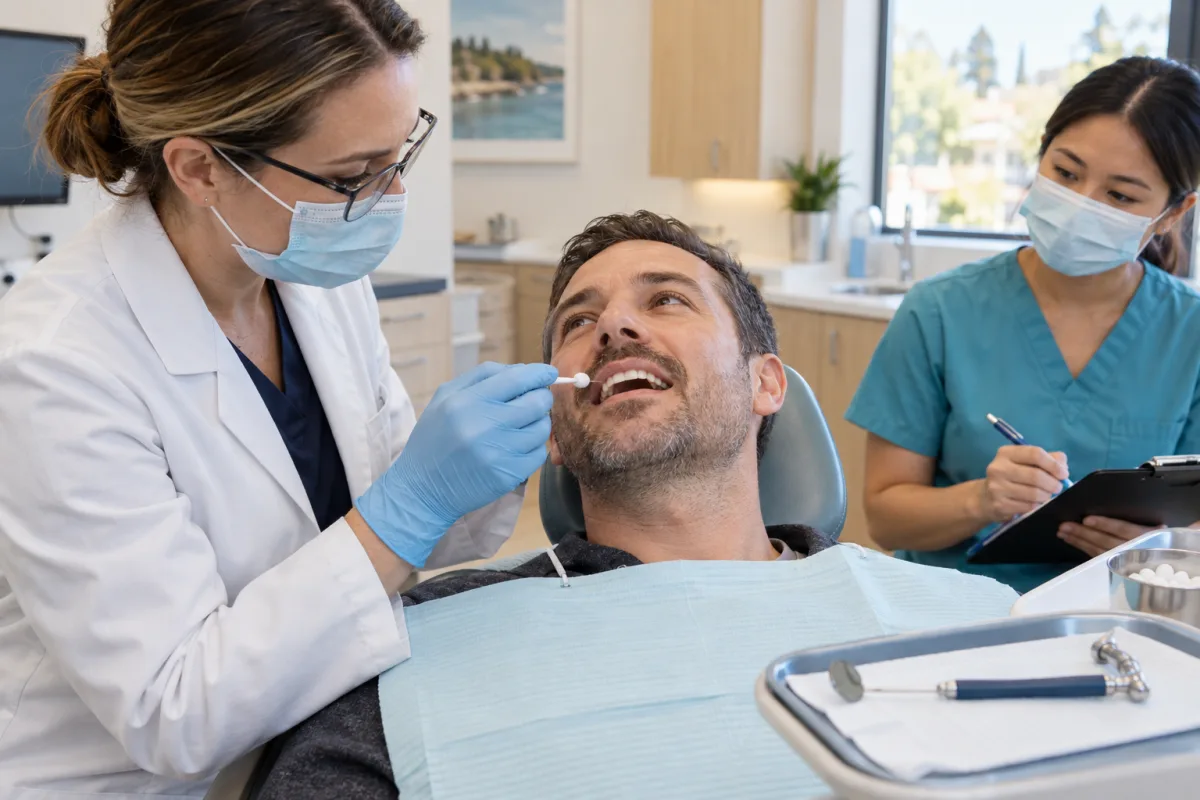
Exposed root surfaces, worn enamel, decay, a crack or a problem with a restoration can be relevant. The dentist examines the mouth and may recommend additional checks or imaging where needed. Ask what finding explains the symptom and whether there are other concerns that need separate attention.
If the reaction followed a recent procedure, give its date and describe whether the pattern is improving, unchanged or worsening. Include discomfort on chewing or a bite that feels different from a brief temperature response. Reporting those distinctions helps the treating clinician decide what to review without assuming either that the work failed or that every postoperative symptom should simply be tolerated.
Match care to the findings
When a desensitizing toothpaste, fluoride application or home-care change is suitable, ask how to use it and when its response will be reviewed. Describe any difficulty maintaining the routine. Consistent use may be part of the instructions, but a worsening or different symptom should still be reported rather than held back until the product trial is finished.
If the examination identifies decay, a fracture or another tooth problem, the discussion may involve treatment of that cause. Ask why the proposed procedure is suitable and what alternatives exist. The intensity of a sensation alone cannot determine which restoration or other intervention is appropriate.
Keep prevention and review connected
Tell the clinician if you have begun skipping an area because brushing triggers discomfort. Ask for a demonstration of a gentle method and products suited to the assessed cause, then explain any part you still cannot manage. Discuss relevant habits such as frequent acidic exposures so the prevention advice addresses the surrounding routine as well as the immediate reaction.
Confirm when to return if the original reaction persists and which new symptoms require an earlier call. Swelling, severe pain or a broken tooth should be reported directly. Improvement with a product is useful information, but it does not replace completing treatment already recommended for an identified problem.
Planning your appointment
Contact our Port Dover team with the trigger, duration and any recent change. Say whether the problem affects eating or sleep so the booking conversation reflects more than the general word sensitivity.
Bring details of recent treatment and products used. Ask what the examination will cover and leave with a clear plan for using any recommended care and reviewing its effect.
Before you book
Have a question about your situation? Our team can help you plan a visit.
Ask the dental team about a suitable product, but also explain a new, persistent or worsening symptom. A toothpaste change cannot establish the cause. The dentist may need to assess a particular tooth before deciding whether desensitizing care is the appropriate main response.
Cold can provoke discomfort for several reasons, including problems involving tooth structure or a restoration. Describe how long the sensation lasts and any other symptoms. The examination helps distinguish those possibilities rather than rely on the trigger alone as a diagnosis.
Give the treatment date, the triggers and whether the reaction is changing. Mention pain on chewing or a bite that feels different. Contact the treating practice for advice instead of assuming all symptoms after a filling should simply be tolerated until the next routine visit.
Tell the clinician that cleaning has become difficult and ask for an appropriate technique and product plan. Avoiding an area indefinitely can leave another problem unaddressed. A demonstration can help you maintain care while the reason for the discomfort is investigated.
Report severe or lingering pain, swelling, sleep disruption and damage when contacting the practice. Those features need to be considered in arranging assessment. If breathing or swallowing becomes difficult or swelling spreads rapidly, seek emergency medical help rather than wait for routine dental advice.
Not every tooth crack appears directly on an X-ray. Our Waterford repair guide explains why symptoms, examination and tests still matter when assessing the damage.
If certain gum sites have not improved, ask what those findings mean for further treatment or specialist review. Explore periodontal care for Waterford residents.
Recognized year after year
Best Dentists in Norfolk
Proudly recognized among Norfolk’s top-rated dental practices for six consecutive years.

2021 Winner

2022 Winner

2023 Winner

2024 Winner

2025 Winner

2026 Winner
Stories from our patients
Watch a patient’s experience and browse more five-star reviews from people who have visited our Port Dover dental clinic.
Patient video
A patient shares the welcoming atmosphere and positive experience they found at our Port Dover office.
Google reviews
Swipe or use the arrows
Read all reviewsYour next visit can start today
New patients and CDCP patients are welcome. Tell us how we can help and our Port Dover dental team will follow up with you.
Evening appointments Monday and Tuesday