
Patient video
Welcoming and Wonderful Practice
A patient shares the welcoming atmosphere and positive experience they found at our Port Dover office.
★★★★★
Port Dover Family Dentistry
Sharp twinges with cold drinks or brushing can have several causes. Hagersville patients can learn how sensitivity is diagnosed and treated in Port Dover.
Let’s get you smiling
Tell us how we can help. Our team will follow up to confirm a time.
Seeing Hagersville patients at our office in Port Dover
Browse every dental service for HagersvilleWhen cold or sweet makes you wince
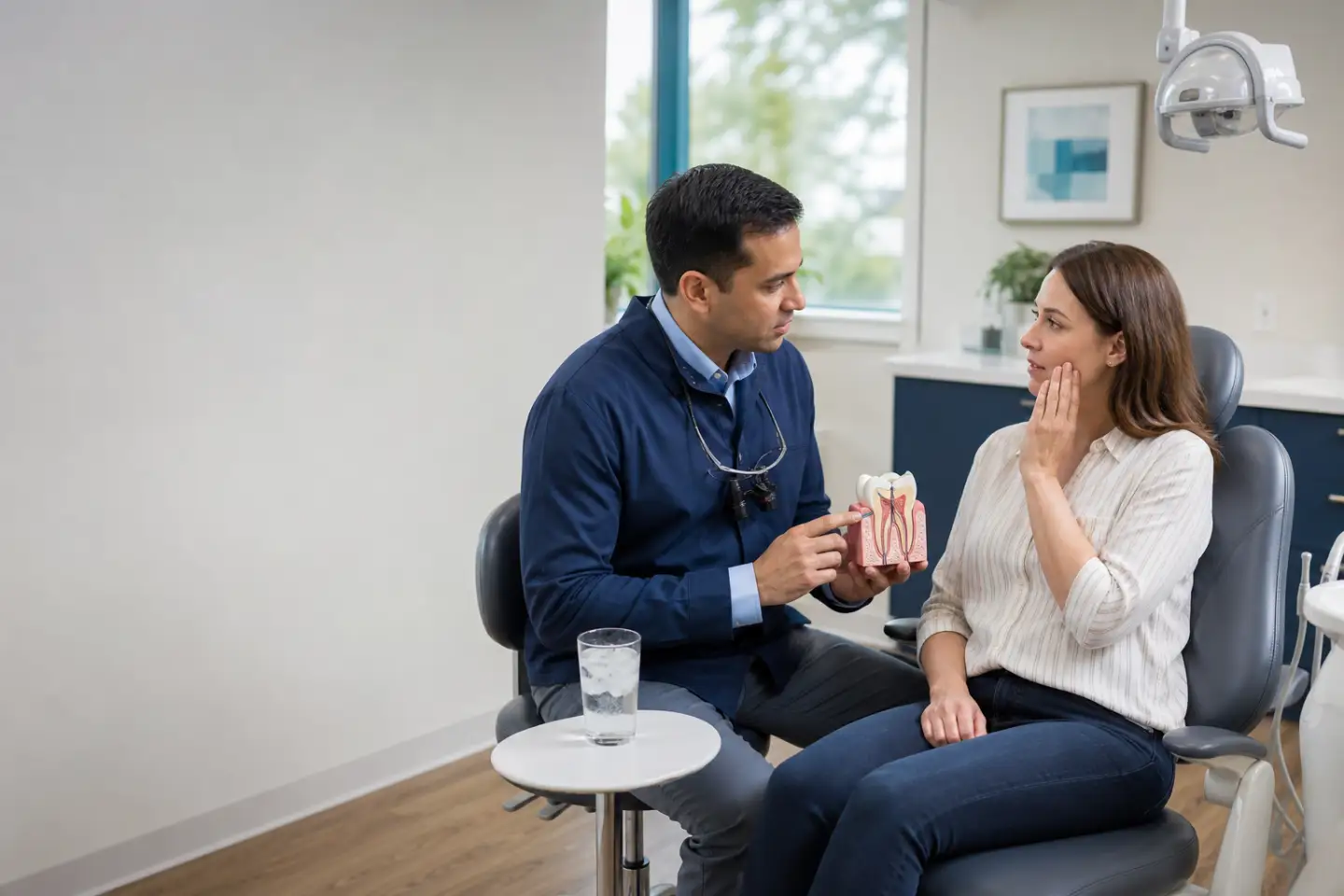
Tooth sensitivity is a quick, sharp pain triggered by cold, hot, sweet or acidic foods, cold air or brushing. It usually happens when the protective enamel wears down or gums recede, exposing the softer dentin underneath, which contains tiny channels leading to the nerve. Sensitivity can also signal problems such as cavities, cracked teeth or worn fillings.
Hagersville patients bothered by sensitive teeth can have the cause assessed at our Port Dover office. The dentist will look for underlying problems and suggest treatments to reduce discomfort, both in the office and at home.
Common causes
Gum recession from brushing too hard, gum disease or ageing can expose root surfaces, which lack protective enamel. Acidic foods and drinks, reflux and grinding can wear enamel. Whitening products sometimes cause temporary sensitivity. Recent dental work, like fillings or cleanings, can also leave teeth sensitive for a short time while they settle.
Cavities, cracked teeth, leaking fillings and inflamed nerves can cause pain that feels like sensitivity but needs different treatment. Pain that lingers after the trigger is removed, wakes you at night or comes with biting may indicate a more serious problem. The dentist will distinguish these from simple sensitivity before suggesting treatment.
Diagnosis
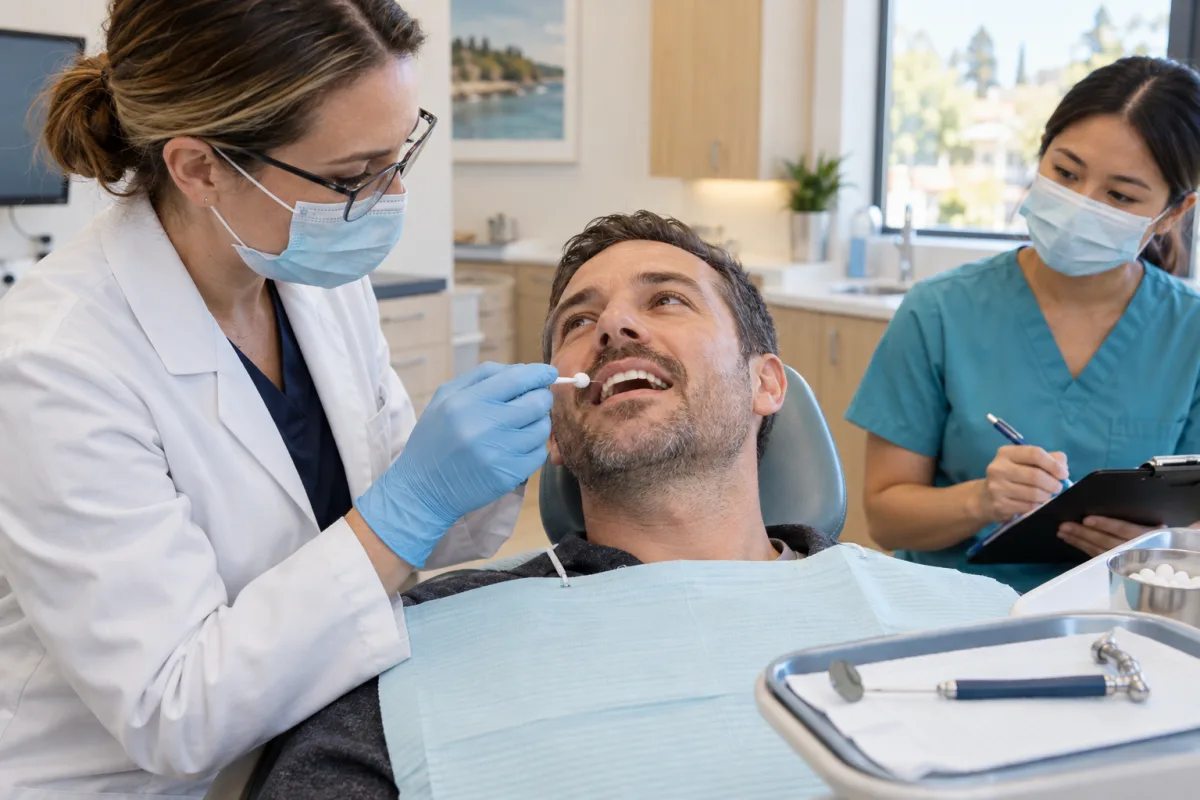
The dentist examines teeth for wear, recession, cracks, decay and the condition of fillings. Cold or air may be applied to identify sensitive teeth. X-rays help rule out decay or nerve problems. Gum health is checked, as recession is a common cause. The examination helps separate simple sensitivity from conditions needing other care.
Tell the dentist which teeth are sensitive, what triggers it, how long the pain lasts and when it started. Mention recent dental work, whitening, changes in toothpaste, grinding, reflux or a diet high in acidic foods and drinks. These details help narrow down the cause and choose the most effective treatment.
Treatment options
Desensitizing toothpastes, used consistently for a few weeks, can reduce sensitivity for many people. Brush gently with a soft-bristled brush, avoiding aggressive scrubbing near the gums. Limit acidic foods and drinks, and avoid brushing right after consuming them. A fluoride rinse may be recommended. These steps work best together.
In the office, the dentist may apply fluoride varnish or a desensitizing agent to sensitive areas. Bonding can cover exposed roots. If a cavity, crack or leaking filling is the cause, repairing it should relieve the sensitivity. For significant gum recession, a gum graft may be discussed. Grinding may be managed with a night guard.
Preventing return
Use a soft toothbrush and gentle technique. Choose fluoride toothpaste, and continue a desensitizing toothpaste if it helps. Drink acidic beverages with meals or through a straw, and rinse with water afterwards. If you grind your teeth, wear a night guard. Manage reflux with your physician, as stomach acid can erode enamel.
Regular checkups allow the dentist to monitor gum recession, enamel wear and fillings. If sensitivity returns, worsens or changes in character, mention it. New or lingering pain may indicate a different problem. Keeping routine visits on schedule from Hagersville helps catch changes early, when they are easier to manage.
Planning your appointment
Call our Port Dover office to book an exam for sensitive teeth. Describe which teeth are affected, what triggers the sensitivity and how long it lasts, so the dentist can plan an appropriate assessment.
Note any changes to your toothpaste, diet or dental work recently, and bring your current products if you are unsure what you are using.
Before you book
Have a question about your situation? Our team can help you plan a visit.
Many people find them helpful when used consistently for several weeks. They work by blocking the tiny channels in dentin or calming the nerve. If sensitivity persists, the dentist may recommend in-office treatments.
Sudden sensitivity can follow whitening, recent dental work or changes in diet. It may also signal a cavity, crack or gum problem. If it does not settle within a couple of weeks, have it checked.
Sometimes. Pain that lingers, wakes you at night or occurs when biting can indicate decay, a crack or an inflamed nerve. These need assessment and treatment beyond desensitizing products, so book an exam.
No. Brushing too hard can wear enamel and push gums back, increasing sensitivity. Use a soft brush and gentle circular motions. The hygienist can show you an effective technique at your next visit.
Yes, temporary sensitivity is common during or after whitening. It usually fades within days. Using a desensitizing toothpaste and taking breaks can help. Tell the dentist if you have sensitivity before whitening.
A cracked tooth may hurt only when you bite or release. Hagersville patients can learn how cracks are diagnosed and which repairs are considered in Port Dover.
Preventive care combines professional cleanings with daily habits tailored to you. Hagersville patients can see how a hygiene plan is built in Port Dover.
Recognized year after year
Best Dentists in Norfolk
Proudly recognized among Norfolk’s top-rated dental practices for six consecutive years.

2021 Winner

2022 Winner

2023 Winner

2024 Winner

2025 Winner

2026 Winner
Stories from our patients
Watch a patient’s experience and browse more five-star reviews from people who have visited our Port Dover dental clinic.
Patient video
A patient shares the welcoming atmosphere and positive experience they found at our Port Dover office.
Google reviews
Swipe or use the arrows
Read all reviewsYour next visit can start today
New patients and CDCP patients are welcome. Tell us how we can help and our Port Dover dental team will follow up with you.
Evening appointments Monday and Tuesday