
Patient video
Welcoming and Wonderful Practice
A patient shares the welcoming atmosphere and positive experience they found at our Port Dover office.
★★★★★
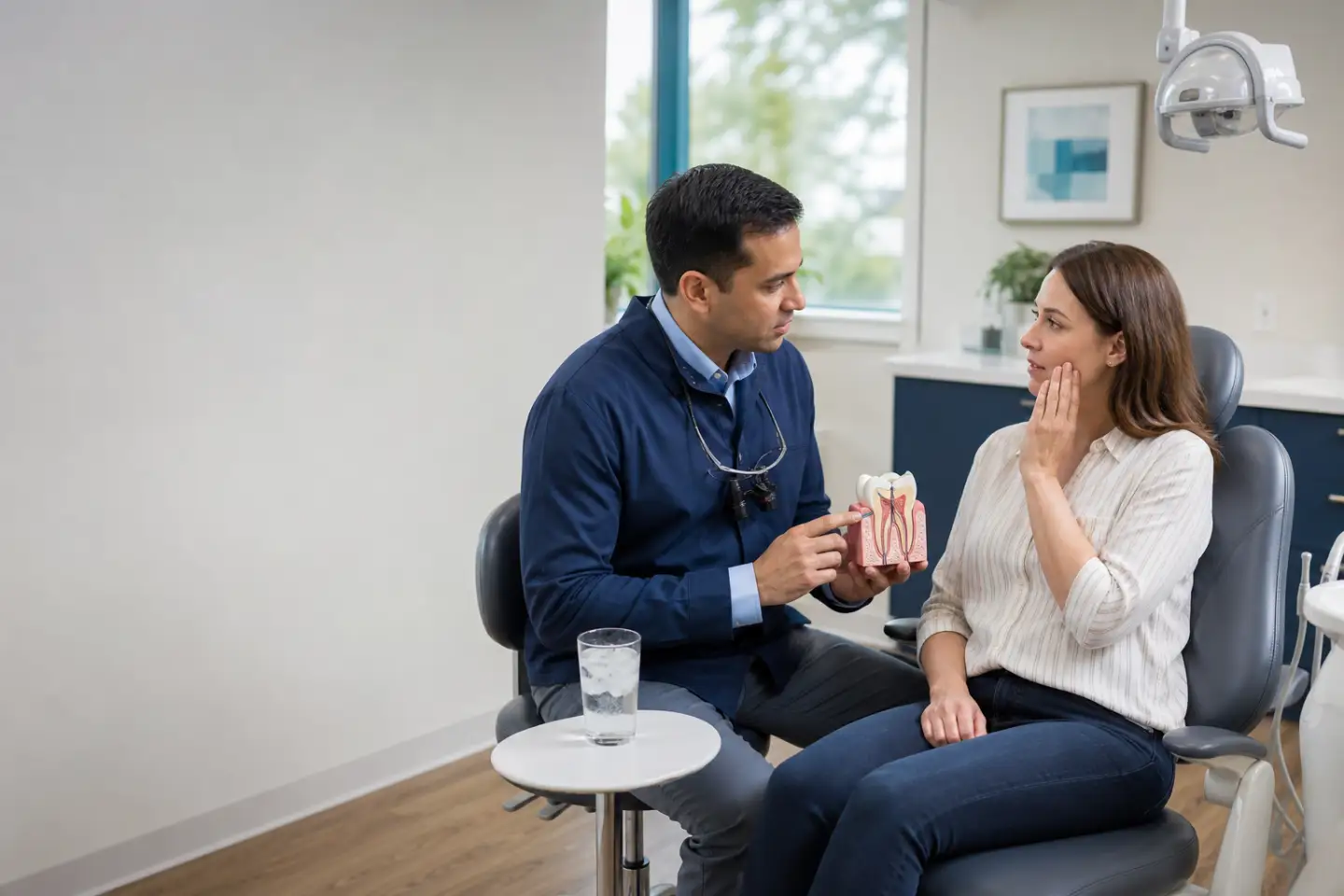
Port Dover Family Dentistry
Sharp twinges from cold, sweets or brushing usually have a cause. Fishers Glen patients can have sensitive teeth assessed and discuss relief in Port Dover.
Let’s get you smiling
Tell us how we can help. Our team will follow up to confirm a time.
Caring for Fishers Glen patients at our Port Dover office
See every service for Fishers GlenWhen cold drinks make you wince
Tooth sensitivity is a short, sharp pain when teeth are exposed to cold, heat, sweet or sour foods, cold air or even brushing. It often happens when the protective enamel wears down or gums recede, exposing the dentin underneath. Dentin contains tiny channels leading to the nerve, so stimuli can trigger discomfort. Sensitivity can also signal a cavity, a cracked tooth or a problem with a filling, so it should not be ignored.
If you are in Fishers Glen and your teeth have become sensitive, our Port Dover dentist can examine your teeth and gums to find the cause. Treatment depends on what is going on, and many patients find relief with simple changes at home and straightforward in-office treatments.
Common causes
Brushing too hard, using a hard-bristled brush, grinding, acidic foods and drinks, and acid reflux can wear away enamel. Gum recession, caused by gum disease, aggressive brushing or ageing, exposes the root surfaces, which do not have enamel protection. These are common causes of general sensitivity affecting several teeth at once, often on the same side.
Sensitivity in one tooth may point to a cavity, a cracked tooth, a leaking or broken filling, or recent dental work. Whitening can cause temporary sensitivity. Lingering pain after the trigger is removed, or pain when biting, may suggest the nerve is inflamed. The dentist will examine and test the tooth to find the cause before recommending treatment.
Assessment
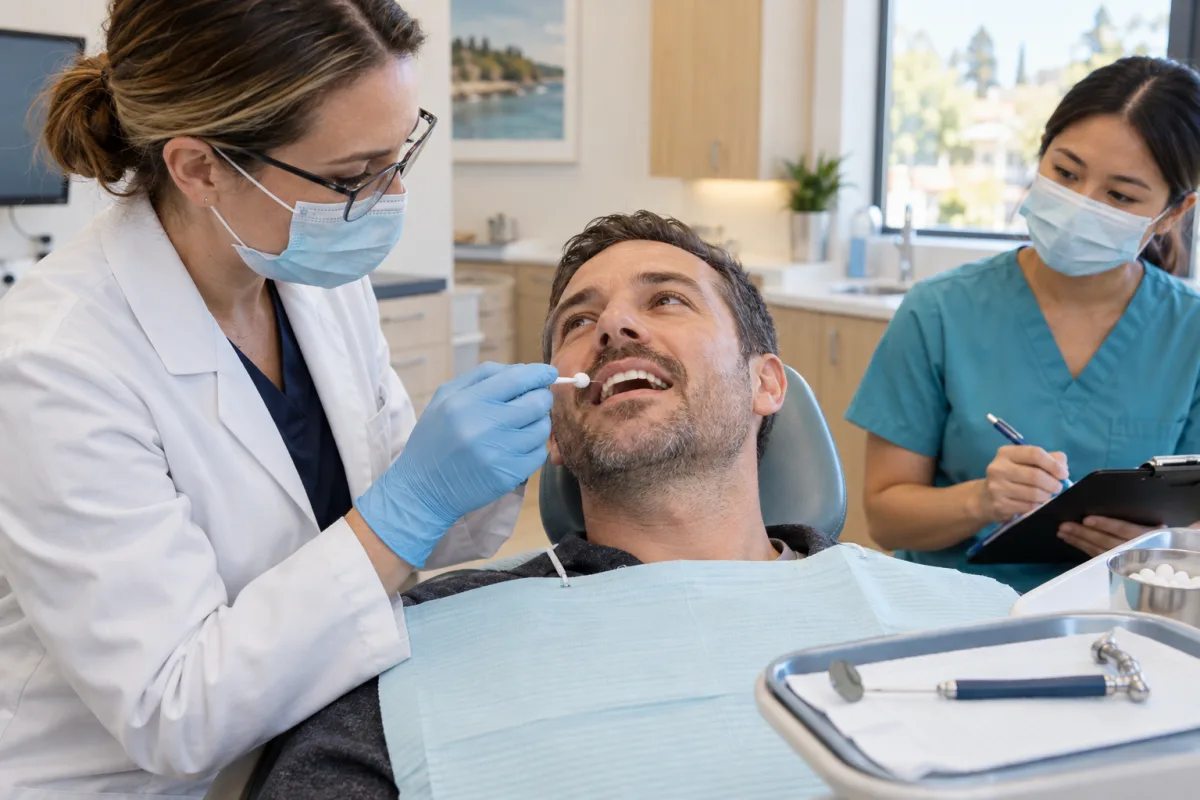
The dentist will examine your teeth for wear, decay, cracks and failing fillings, and check your gums for recession or inflammation. X-rays may be taken. Gentle tests, such as applying air or cold, help identify which teeth are sensitive and how they respond, so the source can be pinpointed. The tests are brief and stop as soon as the sore spot is found.
Describe what triggers the sensitivity, how long it lasts and whether it affects one tooth or several. Mention any recent whitening, dental work, changes in diet or toothpaste, grinding habits or acid reflux. These details help the dentist narrow down the cause and recommend the most effective treatment, rather than simply masking the symptom. Notes help.
Treatment options
Desensitizing toothpaste, used consistently for several weeks, can block the channels in dentin and reduce sensitivity. Switching to a soft-bristled brush and brushing gently can prevent further wear. Limiting acidic foods and drinks, and waiting to brush after consuming them, also helps protect enamel from erosion. Small changes often make a noticeable difference. Give them time.
In-office options may include fluoride varnish or desensitizing agents applied to sensitive areas, bonding to cover exposed roots or worn spots, and treating cavities or replacing failing fillings. If gum recession is significant, a referral for gum grafting may be discussed. Root canal treatment is generally a last resort for persistent, severe sensitivity in one tooth.
Prevention
Use a soft-bristled brush and gentle, circular strokes. Avoid scrubbing back and forth along the gumline. Rinse with water after acidic foods or drinks and wait before brushing. Use a fluoride toothpaste to strengthen enamel. Regular checkups allow the dentist to monitor wear and gum health and catch new problems before they become uncomfortable. Gentle is best.
If you grind or clench, a night guard can protect teeth from wear. If you have acid reflux, managing it with your physician can reduce enamel erosion. Addressing these underlying factors helps prevent sensitivity from returning and protects your teeth over the long term, so relief lasts rather than fading after a few weeks. Ask what applies to you.
Planning your appointment
Call our Port Dover office if you have sensitive teeth. Describe the triggers and which teeth are affected, so the dentist can examine them and recommend appropriate treatment for the cause.
Bring the toothpaste and toothbrush you use, and mention any recent whitening, dental work or changes in your diet or health.
Before you book
Have a question about your situation? Our team can help you plan a visit.
It can be caused by simple enamel wear or gum recession, but it may also signal a cavity, crack or nerve problem. If sensitivity is new, severe or affects one tooth, it is worth having it checked rather than waiting to see whether it settles.
Many people notice improvement after a few weeks of consistent use. It works best when used twice daily and not rinsed off immediately. If there is no improvement after that time, the dentist can recommend other options or look for another cause.
Yes, whitening can cause temporary sensitivity. It usually fades after treatment stops. Using a desensitizing toothpaste before and during whitening may help. Let the dentist know about existing sensitivity before whitening so the plan can be adjusted.
Mild sensitivity after a filling is common and usually settles within a few weeks. If it worsens, lingers or you feel pain when biting, contact the office. The filling may need adjustment, or the nerve may need to be checked more closely.
Receded gums do not grow back on their own. Treatment focuses on preventing further recession and protecting exposed roots. In some cases, gum grafting may be considered. The dentist can discuss options and whether a referral would be helpful.
Sharp pain when biting or releasing can signal a crack. Fishers Glen patients can have the tooth checked in Port Dover and discuss crowns, bonding or root care.
Prevention keeps teeth and gums healthier between visits. Fishers Glen patients can get hygiene tips, fluoride guidance and recall plans in Port Dover.
Recognized year after year
Best Dentists in Norfolk
Proudly recognized among Norfolk’s top-rated dental practices for six consecutive years.

2021 Winner

2022 Winner

2023 Winner

2024 Winner

2025 Winner

2026 Winner
Stories from our patients
Watch a patient’s experience and browse more five-star reviews from people who have visited our Port Dover dental clinic.
Patient video
A patient shares the welcoming atmosphere and positive experience they found at our Port Dover office.
Google reviews
Swipe or use the arrows
Read all reviewsYour next visit can start today
New patients and CDCP patients are welcome. Tell us how we can help and our Port Dover dental team will follow up with you.
Evening appointments Monday and Tuesday