
Patient video
Welcoming and Wonderful Practice
A patient shares the welcoming atmosphere and positive experience they found at our Port Dover office.
★★★★★
Port Dover Family Dentistry
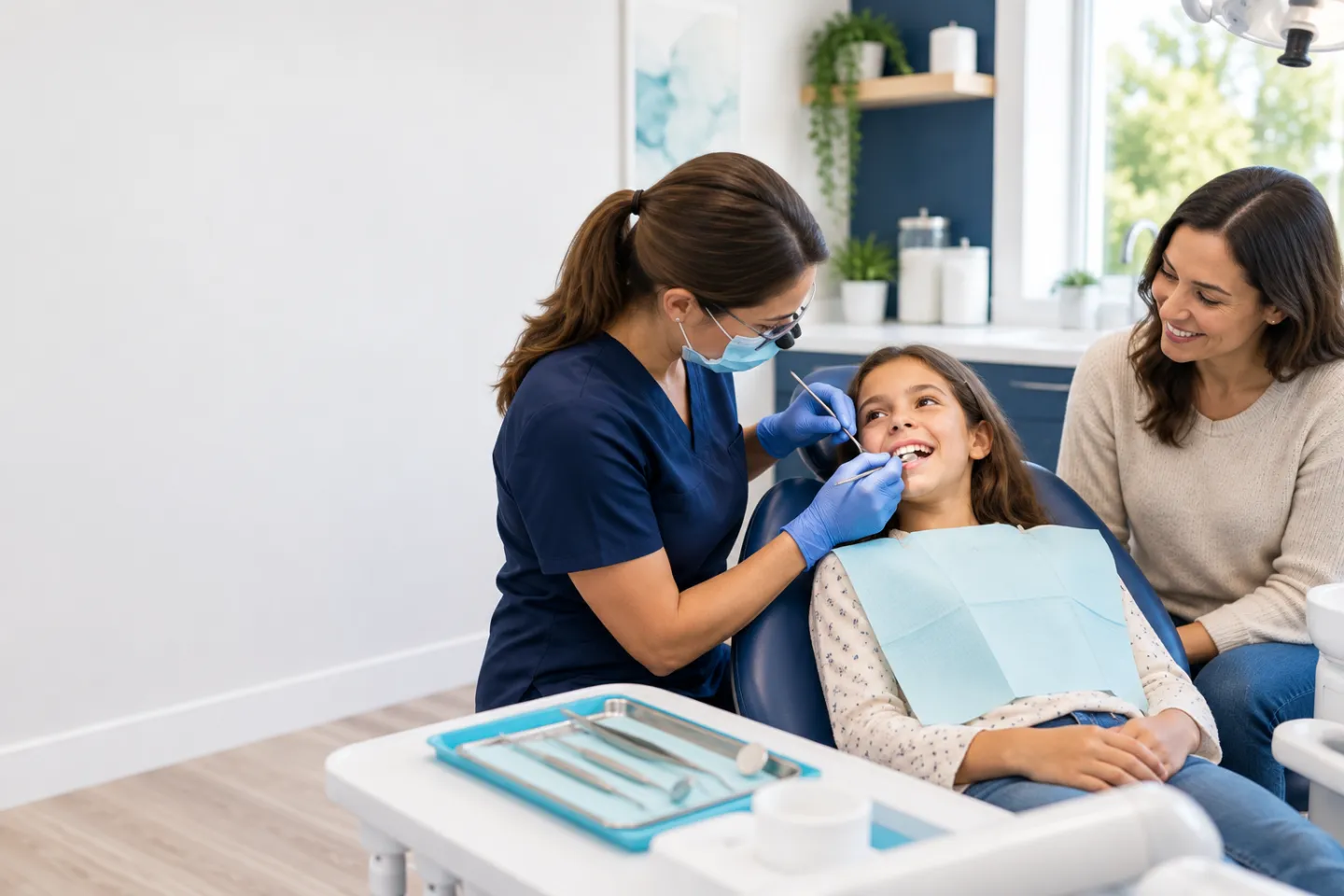
Tooth-coloured fillings repair cavities in children’s teeth with natural-looking material. Port Ryerse parents can learn what to expect at our Port Dover office.
Let’s get you smiling
Tell us how we can help. Our team will follow up to confirm a time.
Caring for Port Ryerse patients at our Port Dover office
Every dental service for Port RyerseRepairs that blend in
When a child’s tooth has a cavity, a tooth-coloured filling can restore it with material that blends with the surrounding enamel. These fillings bond to the tooth, which can allow a more conservative repair. Whether they are the best choice depends on the cavity’s size, the tooth involved and how well the area can be kept dry during treatment.
Children from Port Ryerse who need a filling can be treated at our Port Dover office. The dentist will explain the materials being considered, how the appointment will be paced and what parents can do to help their child feel prepared and comfortable.
Material choices
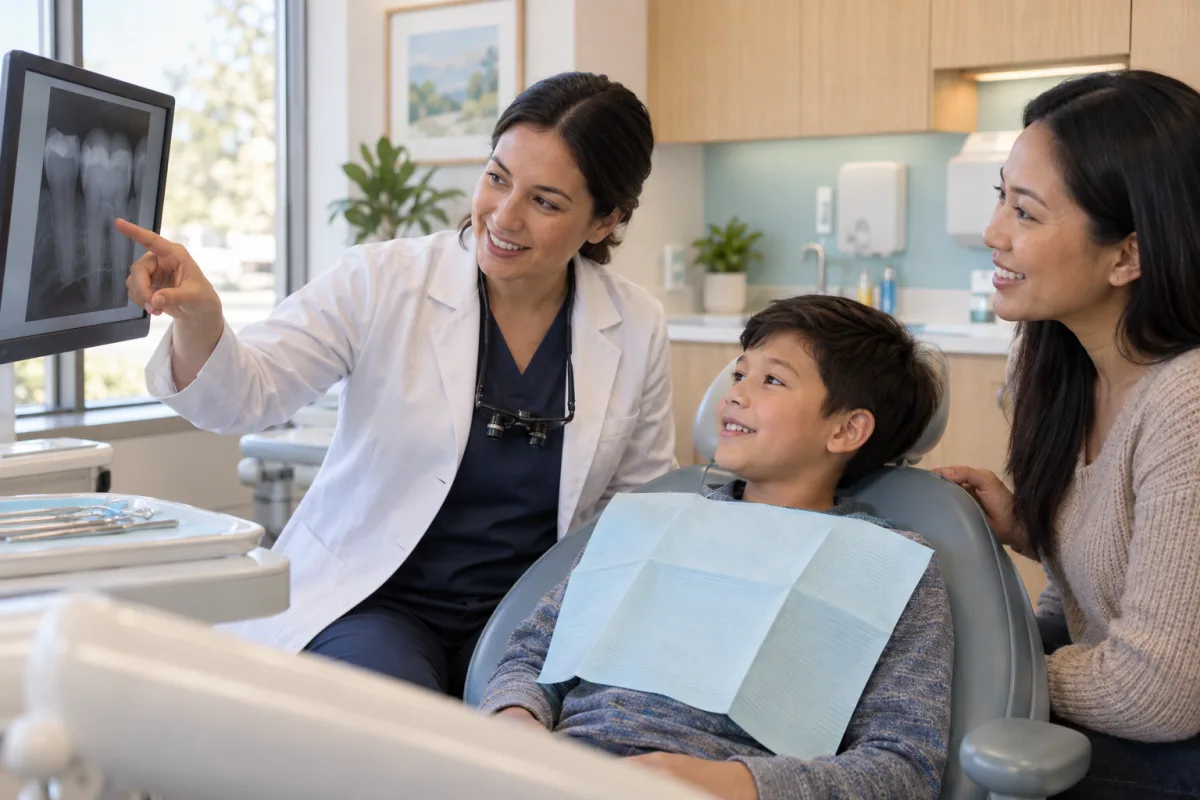
Composite resin is a tooth-coloured material commonly used in both baby and permanent teeth. It bonds to the tooth and can be shaped to look natural. It requires the tooth to be kept very dry during placement, which can be challenging with young or anxious children.
Glass ionomer is another tooth-coloured material that releases fluoride and is more tolerant of moisture, which can make it useful for baby teeth or areas near the gum. It may wear faster than composite. The dentist will recommend the most suitable option for each tooth.
Preparing for treatment
Use simple, neutral language, such as saying the dentist will clean out a sugar bug and fill the hole. Avoid words like needle or drill. Let your child ask questions and answer calmly. Share any worries or sensory sensitivities with the team when booking.
Schedule the appointment for a time when your child is usually rested. Give them a light meal beforehand unless advised otherwise. Bring a comfort item if helpful. Plan a quiet afternoon afterward, especially if freezing is used.
The procedure
Numbing gel is often applied before local anaesthetic to reduce discomfort. Once the tooth is numb, decay is removed with small instruments. The tooth is kept dry using cotton rolls or a small rubber sheet. Your child can signal if they need a break.
The tooth-coloured material is placed, shaped and hardened with a light. The dentist checks the bite and smooths the surface. The whole process is usually completed in one visit. Small cavities may take only a few minutes, while larger ones take longer.
Aftercare
Watch that your child does not bite their lip, tongue or cheek while numb. Offer soft foods once feeling returns. Mild sensitivity can occur briefly. Contact the office if pain worsens, the bite feels uneven or the filling seems damaged.
Supervise brushing with fluoride toothpaste twice daily and clean between teeth that touch. Limit sugary snacks and drinks between meals. Ask about sealants and fluoride varnish to protect other teeth. Regular checkups help catch new cavities early.
Planning your appointment
Call our Port Dover office to book the filling appointment and mention any worries your child has. Ask how long the visit will take so you can plan the day.
Bring a comfort item if it helps, and plan a calm afternoon while numbness wears off.
Before you book
Have a question about your situation? Our team can help you plan a visit.
Yes, tooth-coloured materials are commonly used in children’s dentistry and considered safe. If you have questions about specific materials, ask the dentist.
Baby teeth help with chewing, speech and holding space for permanent teeth. Treating cavities prevents pain and infection. The dentist considers how long the tooth will remain before recommending treatment.
Often, yes, especially for deeper cavities. Small cavities may sometimes be treated without it. The dentist will discuss comfort options with you beforehand.
In baby teeth, fillings often last until the tooth falls out naturally. In permanent teeth, lifespan varies. Regular checkups help monitor fillings.
The team may suggest shorter visits, behaviour strategies or comfort options such as nitrous oxide. In some cases, referral to a pediatric specialist may be considered.
When a child has a cavity, families from Port Ryerse can learn what treatment involves, how to prepare and how to protect young teeth afterward in Port Dover.
Children cope better when they know what to expect. Port Ryerse families can learn how our Port Dover team explains treatment and supports good habits at home.
Recognized year after year
Best Dentists in Norfolk
Proudly recognized among Norfolk’s top-rated dental practices for six consecutive years.

2021 Winner

2022 Winner

2023 Winner

2024 Winner

2025 Winner

2026 Winner
Stories from our patients
Watch a patient’s experience and browse more five-star reviews from people who have visited our Port Dover dental clinic.
Patient video
A patient shares the welcoming atmosphere and positive experience they found at our Port Dover office.
Google reviews
Swipe or use the arrows
Read all reviewsYour next visit can start today
New patients and CDCP patients are welcome. Tell us how we can help and our Port Dover dental team will follow up with you.
Evening appointments Monday and Tuesday