
Patient video
Welcoming and Wonderful Practice
A patient shares the welcoming atmosphere and positive experience they found at our Port Dover office.
★★★★★
Port Dover Family Dentistry
Tooth-coloured fillings repair cavities in children’s teeth with a natural look. Normandale parents can learn how they are placed and cared for at our Port Dover office.
Let’s get you smiling
Tell us how we can help. Our team will follow up to confirm a time.
Caring for Normandale residents and seasonal visitors at our Port Dover office
See every dental service for NormandaleNatural-looking repairs
When a child has a cavity, the decayed part of the tooth needs to be removed and the space filled to prevent the problem from spreading. Tooth-coloured materials, such as composite resin or glass ionomer, are commonly used because they bond to the tooth and match its shade. Each material has strengths, and the dentist chooses based on the tooth and situation.
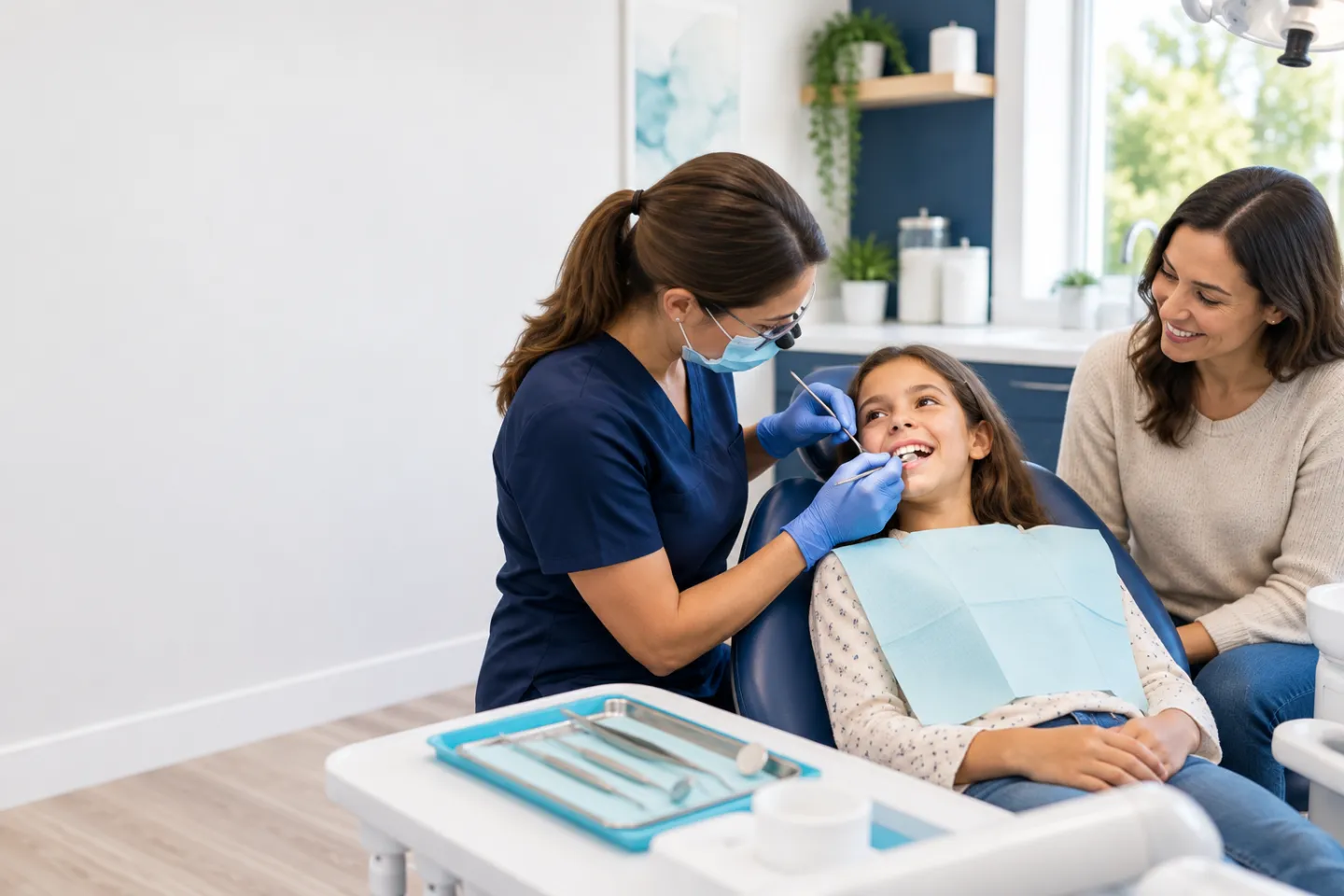
Normandale families can bring their children to our Port Dover office for cavity treatment. We explain the process to parents and children, keep the experience as comfortable as possible and offer advice to help prevent new cavities.

Why white fillings
Composite resin is bonded to the tooth in layers and hardened with a light. It can be shaded to match closely and is durable for many situations. Placement requires the tooth to be kept dry, which can be challenging with very young or wiggly children.
Glass ionomer releases fluoride, which can help protect the surrounding tooth. It tolerates moisture better during placement, making it useful for young children or areas that are hard to keep dry. It may wear faster than composite, so it is often used in baby teeth.
Preparing
Use neutral, child-friendly words, such as fixing a little hole or cleaning out a sugar bug. Avoid words that might scare, like needle or drill. Let your child know they can raise a hand if they need a break. Bringing a comfort item may help them feel settled.
Ask the dentist which teeth are affected, which material is recommended and why. Discuss whether numbing will be used and what comfort options are available. If your child is very anxious, mention it so the team can plan an approach that suits them.
Placing the filling
The dentist usually numbs the area with a small amount of local anaesthetic, often after applying a numbing gel. The decayed part of the tooth is removed. Cotton rolls or a small rubber sheet may be used to keep the tooth dry. The team explains each step to your child.
The tooth-coloured material is placed, shaped and hardened. The dentist smooths the filling and checks the bite so it feels comfortable. Your child may feel pressure but should not feel pain. If they do, they can signal and the team will pause.
Afterwards
Watch that your child does not bite or chew their numb lip, cheek or tongue. Offer soft foods once feeling returns. Mild sensitivity may occur for a short time. If pain increases, the bite feels high or there is swelling, contact the office.
Brush twice daily with fluoride toothpaste, help with cleaning between teeth and limit sugary snacks and drinks between meals. Sealants and fluoride treatments may be recommended. Regular checkups allow the dentist to monitor fillings and catch new cavities early.
Planning your appointment
Call our Port Dover office to book cavity treatment for your child. Let us know about health conditions, medications and how your child usually handles dental visits.
Plan a quiet afternoon after the appointment while numbness wears off, with soft foods available.
Before you book
Have a question about your situation? Our team can help you plan a visit.
Yes, they are widely used in children’s dentistry. The dentist will choose a material suited to the tooth and your child’s needs.
Often, yes, to keep the procedure comfortable. Numbing gel is usually applied first. The dentist will explain what to expect.
It depends on the material, the tooth and habits. Fillings in baby teeth often only need to last until the tooth falls out naturally.
Untreated cavities can cause pain, infection and problems for the developing adult tooth. Fillings help keep baby teeth healthy until they are ready to fall out.
The team can discuss comfort strategies and options such as nitrous oxide. In some cases, a referral to a pediatric specialist may be suggested.
Found a cavity in your child’s tooth? Normandale families can learn how decay is assessed, treated and prevented at our Port Dover office, baby teeth included.
Children cope better when they understand what will happen. Normandale parents can learn how our Port Dover team explains treatment in child-friendly ways.
Recognized year after year
Best Dentists in Norfolk
Proudly recognized among Norfolk’s top-rated dental practices for six consecutive years.

2021 Winner

2022 Winner

2023 Winner

2024 Winner

2025 Winner

2026 Winner
Stories from our patients
Watch a patient’s experience and browse more five-star reviews from people who have visited our Port Dover dental clinic.
Patient video
A patient shares the welcoming atmosphere and positive experience they found at our Port Dover office.
Google reviews
Swipe or use the arrows
Read all reviewsYour next visit can start today
New patients and CDCP patients are welcome. Tell us how we can help and our Port Dover dental team will follow up with you.
Evening appointments Monday and Tuesday