
Protect The Tooth
Removing decay and sealing the area can help stop a small cavity from progressing deeper.
Port Dover Family Dentistry
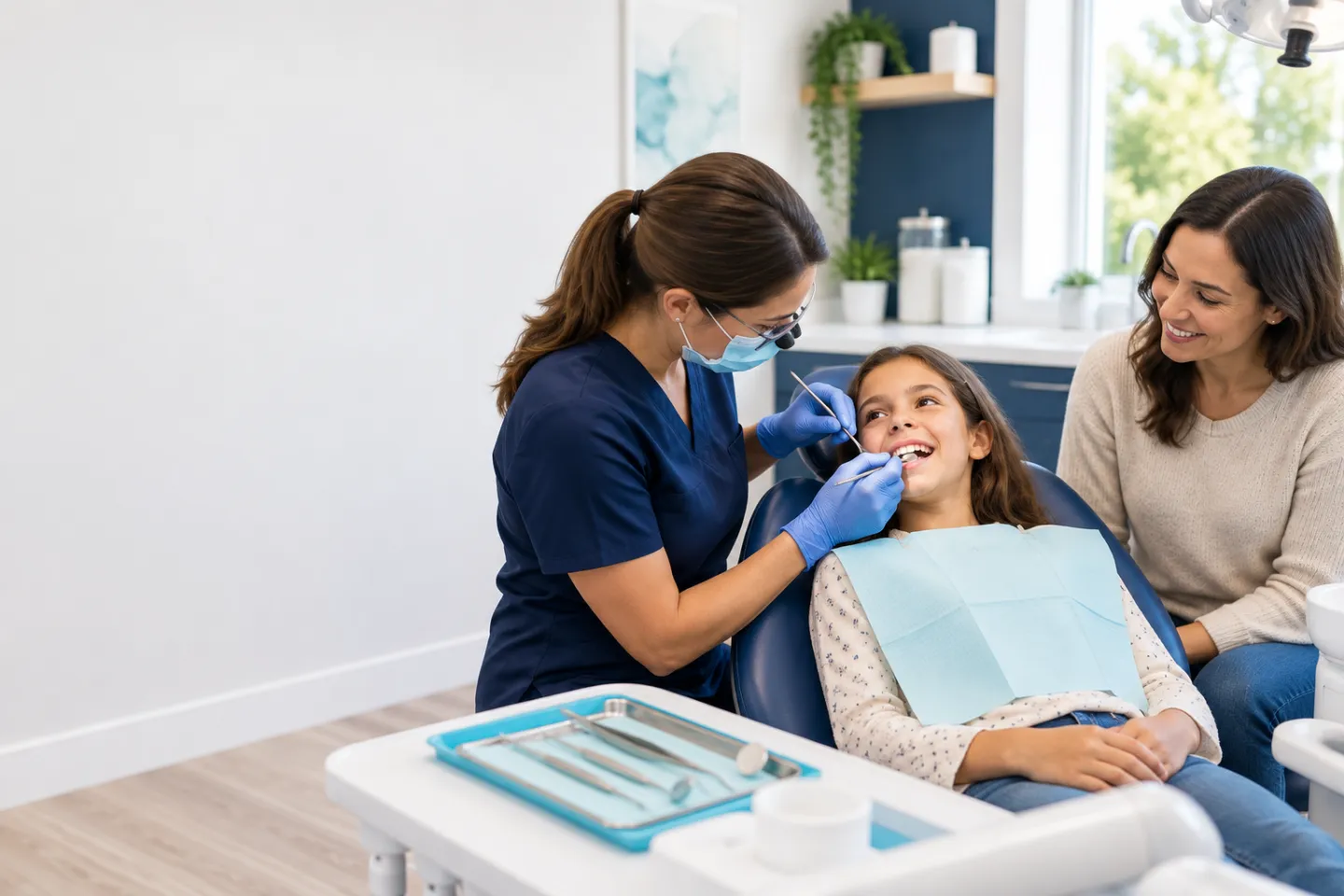
Tooth-coloured fillings for children in Port Dover restore selected cavities or damaged teeth with materials chosen for the tooth and clinical need.
Let’s get you smiling
Tell us how we can help. Our team will follow up to confirm a time.
Tooth-coloured fillings for children in Port Dover
A tooth-coloured filling can replace tooth structure lost to decay or a minor fracture while blending with the surrounding enamel. These restorations may be used on selected primary or permanent teeth after the damaged area is cleaned and prepared.
No filling material is right for every situation. The dentist considers the tooth, cavity size and location, moisture control, bite forces, expected lifespan of a baby tooth and your child’s ability to complete treatment safely.
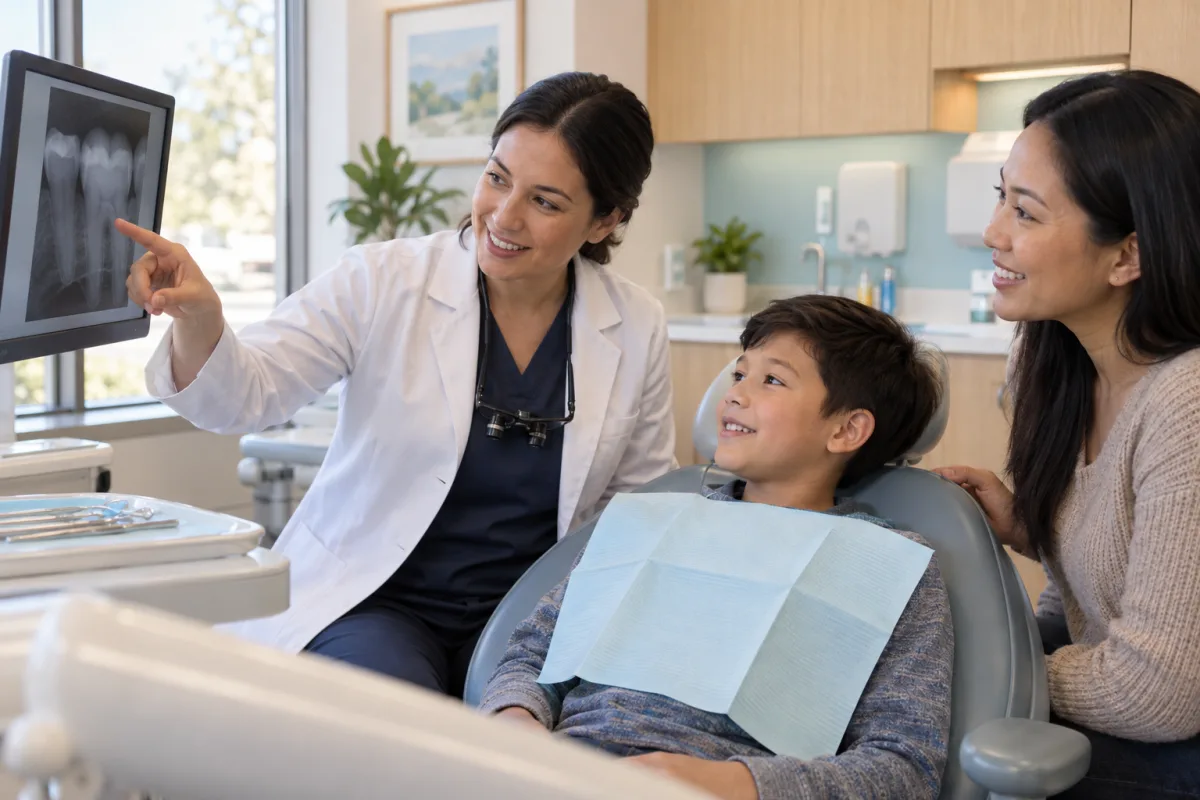
A treatment matched to the tooth
Composite resin and tooth-coloured glass ionomer materials have different strengths and uses. We explain the recommended material and reasonable alternatives before care begins.
Restorative care for growing smiles
Removing decay and sealing the area can help stop a small cavity from progressing deeper.
A well-shaped restoration helps the child bite and chew more comfortably.
Keeping a restorable baby tooth can help preserve room and guidance for the developing permanent tooth.
The material is selected to harmonize with the tooth rather than creating a metallic-looking repair.
A careful restoration
The dentist examines the tooth and may recommend an X-ray to understand the depth of decay and the nearby structures.
When needed, local anesthetic is used to numb the area. Age-appropriate behaviour guidance supports safe, cooperative care.
Decay is removed, the selected material is placed and shaped, and the bite and contacts are checked before home-care instructions are reviewed.
Material and technique
Tooth-coloured materials are not interchangeable. Resin-based composite can provide a durable, natural-looking result when the tooth can be kept suitably clean and dry. Glass-ionomer-based materials may be useful in selected situations because they bond differently and are more tolerant of some moisture, but their wear properties and clinical uses also differ.
The dentist also considers how much tooth structure remains. When decay is extensive, the tooth is fractured, the pulp is involved or reliable isolation is not possible, another restorative approach may offer a more predictable result.

The number of surfaces involved and the amount of supporting tooth left influence restoration choice.
A clean, controlled working field supports bonding and helps the restoration seal properly.
A primary tooth close to natural shedding may have different treatment needs from a newly erupted permanent tooth.
The bigger picture
Restoring the tooth is only one part of care. The causes of decay and the condition of the remaining tooth still need attention after the filling is placed.
Fluoride exposure, brushing, diet pattern and previous cavities help shape the prevention and review plan.
Pain, infection or decay close to the pulp may change the diagnosis and require treatment beyond a routine filling.
A tooth with limited remaining structure may need fuller coverage or another option rather than a direct filling.
Dental visits allow the margins, bite and surrounding tooth to be checked as the child grows.
Call sooner if pain increases, swelling develops, the bite remains uncomfortable or the restoration chips, loosens or comes out.
After treatment
Supervise your child while the mouth is numb so they do not bite or chew the lip, cheek or tongue. Follow any eating instructions given for the material used.
Continue brushing twice daily with fluoride toothpaste and clean between touching teeth. Call if pain is worsening, the bite feels persistently high, or the filling chips or comes out.
Children’s cavity care
We can assess the tooth and explain whether a tooth-coloured filling or another treatment is most suitable.
Tooth-coloured filling questions
They can be appropriate for many primary teeth, but the choice depends on the cavity, tooth, moisture control, bite and how long the tooth is expected to remain.
The material is shade-matched to blend with the tooth, although no restoration is completely invisible in every light.
Local anesthetic is often used when decay removal could be uncomfortable. The dentist will explain the plan for your child and the specific tooth.
A large or deep cavity may need a different restoration, pulp treatment or extraction. The options depend on symptoms, restorability and the development of the permanent tooth.
Longevity varies with cavity size, tooth, bite, hygiene, diet and habits. Regular reviews allow the dentist to monitor the margins and supporting tooth.
Recognized year after year
Best Dentists in Norfolk
Proudly recognized among Norfolk’s top-rated dental practices for six consecutive years.

2021 Winner

2022 Winner

2023 Winner

2024 Winner

2025 Winner

2026 Winner
Stories from our patients
Watch a patient’s experience and browse more five-star reviews from people who have visited our Port Dover dental clinic.
Patient video
A patient shares the welcoming atmosphere and positive experience they found at our Port Dover office.
Google reviews
Swipe or use the arrows
Read all reviewsOur community
Your next visit can start today
New patients and CDCP patients are welcome. Tell us how we can help and our Port Dover dental team will follow up with you.
Evening appointments Monday and Tuesday