
Patient video
Welcoming and Wonderful Practice
A patient shares the welcoming atmosphere and positive experience they found at our Port Dover office.
★★★★★
Port Dover Family Dentistry
Clicking, aching or a jaw that locks can make eating and talking uncomfortable. Learn how Jarvis patients can have TMJ symptoms assessed and explore conservative options.
Let’s get you smiling
Tell us how we can help. Our team will follow up to confirm a time.
Seeing Jarvis patients at our Port Dover office
Every dental service for Jarvis patientsEasing jaw discomfort
The temporomandibular joints connect the lower jaw to the skull, just in front of the ears. Problems with these joints or the surrounding muscles can cause jaw pain, clicking or popping, limited opening, headaches and earaches. Stress, grinding, injury and arthritis are among the possible contributors, and symptoms often come and go.
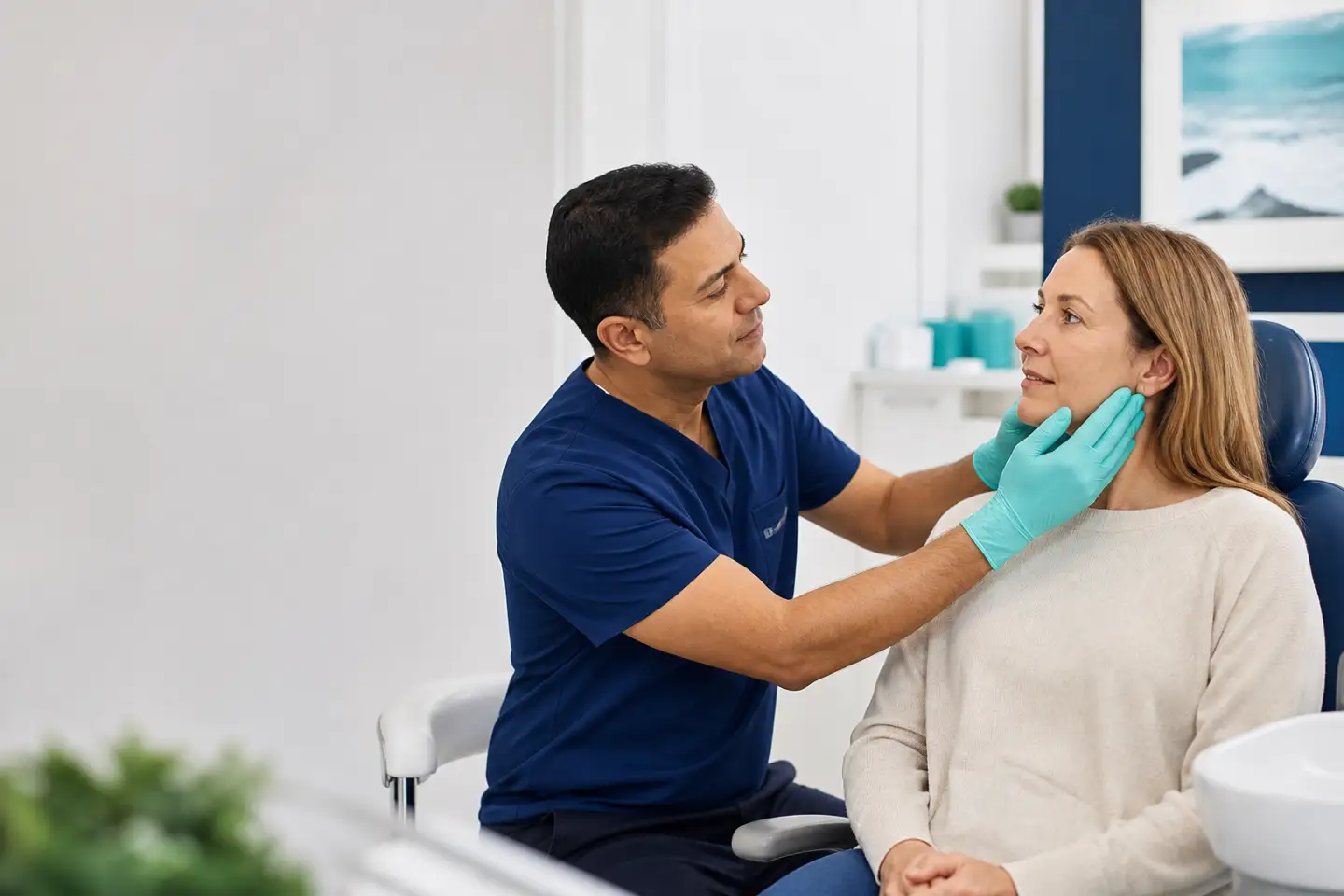
If jaw discomfort is affecting daily life, a Jarvis patient can be examined at our Port Dover office. The dentist will look at the joints, muscles and bite and talk about practical steps that may help.
Symptoms
Aching in the jaw, face or temples, clicking or popping when opening, a jaw that catches or locks, difficulty chewing, ear pain or fullness without infection, and headaches are common. Symptoms may be worse in the morning or after chewing tough foods. Keep notes on what triggers or eases them.
If your jaw locks open or closed, you suddenly cannot open your mouth, or pain follows an injury, seek prompt care. Jaw pain with chest pain, shortness of breath or arm pain may signal a heart problem and needs emergency medical attention immediately.
Assessment
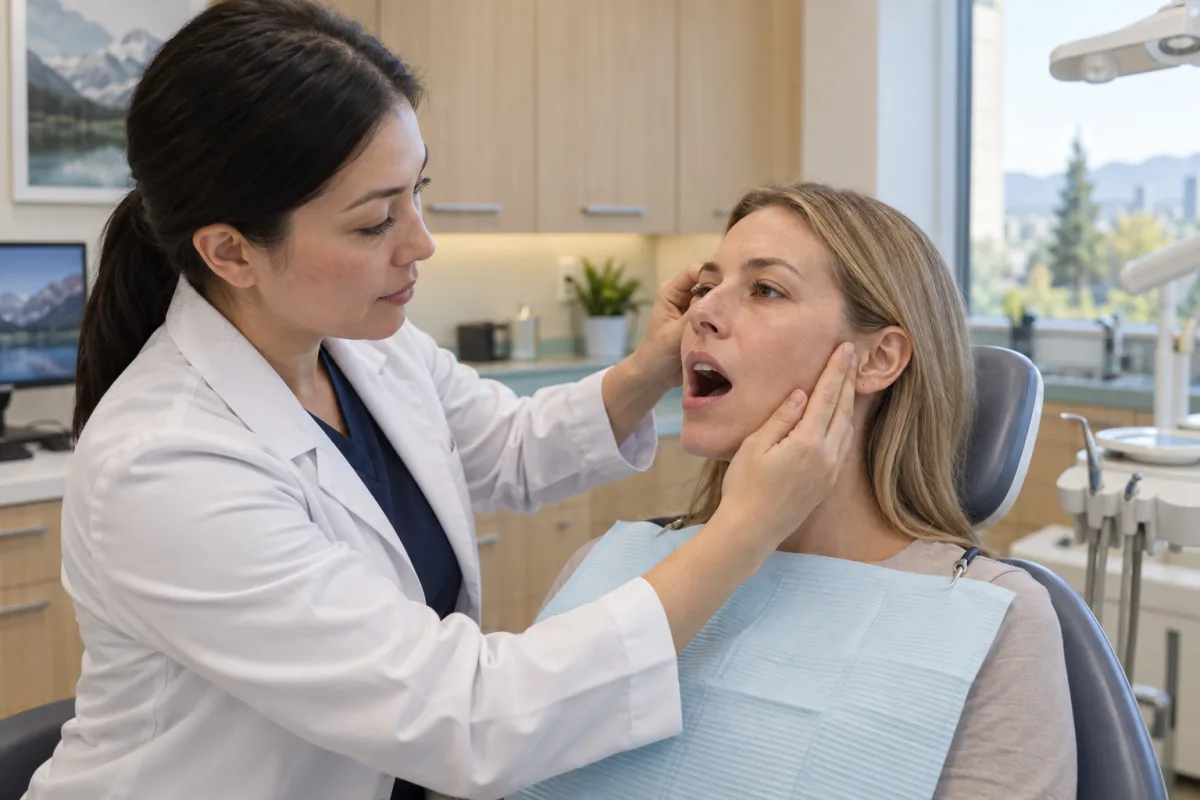
The dentist checks how wide you can open, listens for joint sounds, feels the jaw muscles for tenderness and examines your bite. X-rays or other imaging may be recommended in some cases. Signs of grinding, worn teeth or dental problems that might cause referred pain are also noted.
Stress, posture, sleep habits, grinding, clenching and previous injuries can all play a role. The dentist may ask about headaches, neck pain and other health conditions. Identifying contributors helps target treatment and may indicate whether other providers, such as a physiotherapist, could help.
Treatment
Eating softer foods, avoiding gum and wide yawning, applying warm or cold compresses and gentle jaw exercises can help. Being aware of daytime clenching and keeping teeth apart when relaxed can reduce strain. Stress management may also make a difference. The dentist can suggest a home program.
A custom night guard or splint may be recommended if grinding or clenching contributes. Over-the-counter anti-inflammatory medication may help if safe for you. Persistent or complex cases may benefit from referral to a physiotherapist, physician or specialist. Irreversible treatments are generally not a first step.
Living with it
Many people experience flare-ups during stressful times or after chewing hard foods. Returning to soft foods, rest, warmth and gentle exercises often helps. Keep using any appliance as directed. Notice patterns that trigger flare-ups so you can reduce or avoid them.
Follow-up visits allow the dentist to check your progress and adjust treatment. Bring your night guard or splint to appointments. If symptoms worsen, change or do not improve with conservative care, let the dentist know so other options or referrals can be considered.
Planning your appointment
Call our Port Dover office to arrange a TMJ assessment. Describe your symptoms, how long they have lasted and anything that seems to trigger them.
Bring notes about headaches, clicking or locking, and any guard or splint you already use.
Before you book
Have a question about your situation? Our team can help you plan a visit.
Many cases improve with time and simple self-care. Others need more targeted treatment. The dentist can help determine the best approach for your symptoms.
Clicking without pain or limited movement is common and often does not need treatment. If it comes with pain, locking or difficulty chewing, have it assessed.
If grinding or clenching contributes to symptoms, a custom guard may help reduce strain. The dentist will assess whether it is appropriate for you.
Physiotherapy can help some people with TMJ issues, especially muscle-related pain. The dentist may suggest a referral if it could benefit you.
Stress often leads to clenching and muscle tension, which can contribute to TMJ symptoms. Managing stress can be part of treatment.
Waking with a sore jaw or flattened teeth? Jarvis residents can have grinding and clenching assessed at our Port Dover office and discuss protective, practical options.
A custom night guard is shaped from your own teeth to help cushion grinding. Jarvis patients can be fitted at our Port Dover office and learn how to wear and maintain it.
Recognized year after year
Best Dentists in Norfolk
Proudly recognized among Norfolk’s top-rated dental practices for six consecutive years.

2021 Winner

2022 Winner

2023 Winner

2024 Winner

2025 Winner

2026 Winner
Stories from our patients
Watch a patient’s experience and browse more five-star reviews from people who have visited our Port Dover dental clinic.
Patient video
A patient shares the welcoming atmosphere and positive experience they found at our Port Dover office.
Google reviews
Swipe or use the arrows
Read all reviewsYour next visit can start today
New patients and CDCP patients are welcome. Tell us how we can help and our Port Dover dental team will follow up with you.
Evening appointments Monday and Tuesday