
Patient video
Welcoming and Wonderful Practice
A patient shares the welcoming atmosphere and positive experience they found at our Port Dover office.
★★★★★
Port Dover Family Dentistry
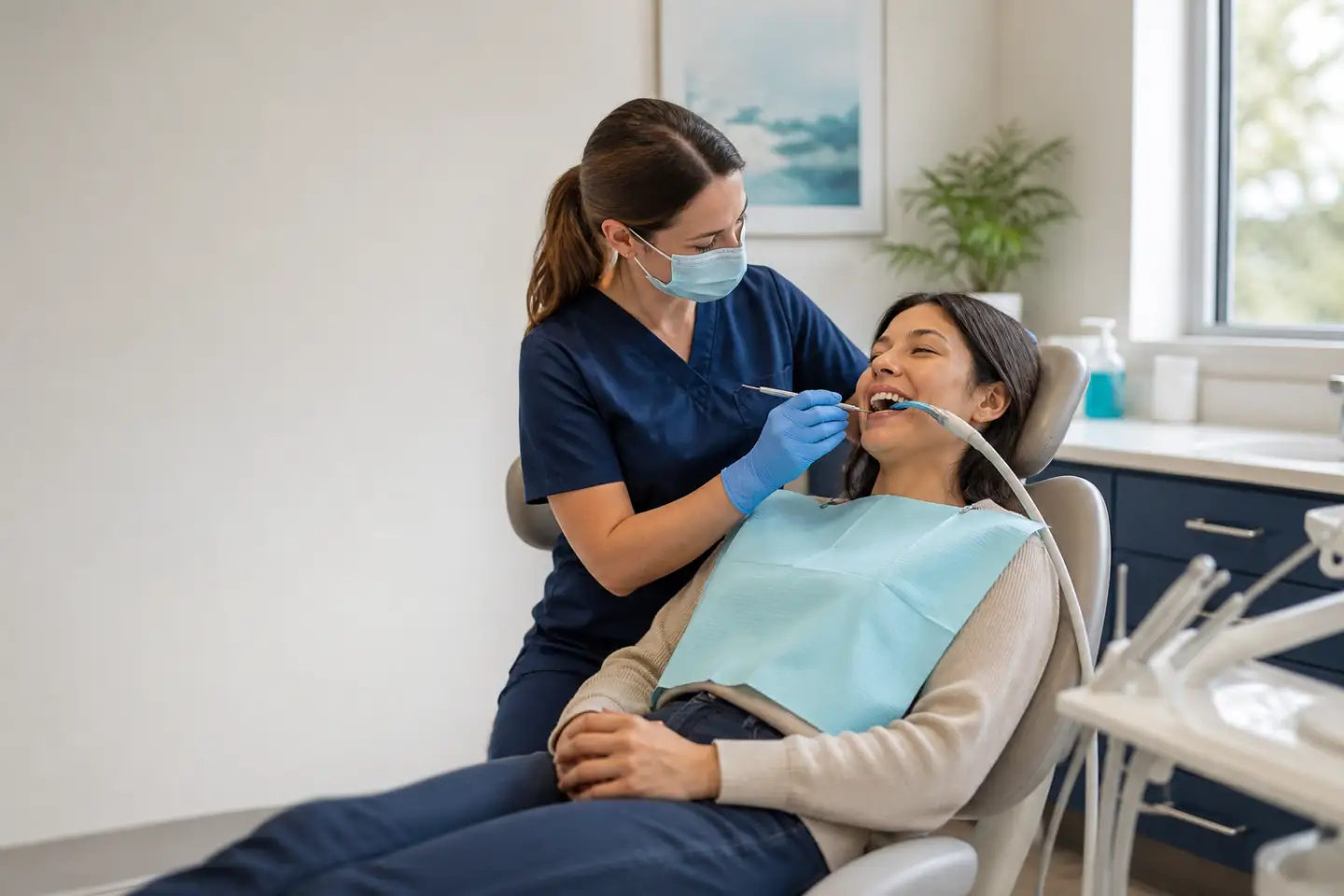
A professional cleaning removes tartar that brushing can’t, and gives a chance to check your gums. Here is what Jarvis patients can expect and how often cleanings may be advised.
Let’s get you smiling
Tell us how we can help. Our team will follow up to confirm a time.
Seeing Jarvis patients at our Port Dover office
Every dental service for Jarvis patientsMore than a polish
Plaque that isn’t removed every day hardens into tartar, which cannot be brushed or flossed away. Tartar along and below the gumline irritates the gums and can lead to gum disease. A professional cleaning removes these deposits, polishes the teeth and gives the hygienist a chance to spot early signs of gum problems.
Regular cleanings keep things simple for Jarvis patients: routine visits to our Port Dover office tend to prevent the urgent ones. Many people schedule a cleaning alongside their checkup to cover both at once.

Why it matters
Removing tartar reduces bacteria that inflame gums and cause bleeding, bad breath and eventually bone loss. Regular cleanings help keep gingivitis from progressing. Polishing removes surface stains from coffee, tea and food, leaving teeth feeling smooth and looking brighter.
During the cleaning, the hygienist checks the gums for bleeding and measures pockets around teeth. Early signs of decay, cracked fillings or unusual areas in the mouth may be noticed and shared with the dentist. Catching these early often leads to simpler treatment.
The appointment
The hygienist uses hand instruments and sometimes an ultrasonic scaler to remove tartar from tooth surfaces and just below the gumline. You may hear scraping or feel vibration. Teeth are then polished with a gritty paste. Let the hygienist know if any area feels sensitive.
Teeth are flossed to remove remaining debris and check for tight spots or bleeding. A fluoride treatment may be offered, especially if you are at higher risk for decay. The hygienist may review your home care routine and suggest improvements based on what they observed.
Comfort
If you have sensitive teeth or gums, tell the hygienist before starting. Desensitizing products, numbing gel or local anaesthetic can make the cleaning more comfortable. Taking breaks is fine. Regular cleanings often become easier because less tartar accumulates between visits.
Some bleeding during a cleaning is common when gums are inflamed and usually improves with consistent home care. Mild tenderness afterward may last a day or so. If bleeding is heavy or persistent, the hygienist may recommend a gum assessment or more frequent visits.
Between visits
Brush twice daily with fluoride toothpaste, angling bristles toward the gumline, and clean between teeth every day. Use the tools the hygienist recommends, such as floss, interdental brushes or a water flosser. Replace your toothbrush every few months or when bristles fray.
The interval between cleanings is based on your gum health, how quickly tartar builds up and other risk factors. Some people need cleanings more often than others. Book your next visit before leaving so routine care stays on schedule.
Planning your appointment
Call our Port Dover office to schedule a cleaning. Ask whether it can be combined with your checkup, and mention any sensitivity or gum concerns.
Bring an updated medication list, since some medicines affect gum health and bleeding.
Before you book
Have a question about your situation? Our team can help you plan a visit.
Many people benefit from regular cleanings through the year, but some need them more frequently. The interval depends on gum health and tartar build-up.
Polishing removes surface stains, which can make teeth look brighter. It does not change the natural colour of the teeth. Whitening is a separate treatment.
Bleeding usually indicates inflammation from plaque. Consistent brushing and flossing at home often reduce it. Persistent bleeding may need further assessment.
Yes. Cleanings are generally recommended during pregnancy, as hormonal changes can affect gums. Let the team know you are pregnant.
Yes. Deep cleaning, or scaling and root planing, treats gum disease below the gumline. A regular cleaning focuses on maintaining healthy gums.
Prevention is the most effective dental care. Learn how hygiene visits, fluoride, home routines and diet advice help Jarvis patients keep teeth and gums healthy.
After gum disease treatment, regular periodontal maintenance helps keep pockets stable. Learn what these visits involve and how often Jarvis patients may need them.
Recognized year after year
Best Dentists in Norfolk
Proudly recognized among Norfolk’s top-rated dental practices for six consecutive years.

2021 Winner

2022 Winner

2023 Winner

2024 Winner

2025 Winner

2026 Winner
Stories from our patients
Watch a patient’s experience and browse more five-star reviews from people who have visited our Port Dover dental clinic.
Patient video
A patient shares the welcoming atmosphere and positive experience they found at our Port Dover office.
Google reviews
Swipe or use the arrows
Read all reviewsYour next visit can start today
New patients and CDCP patients are welcome. Tell us how we can help and our Port Dover dental team will follow up with you.
Evening appointments Monday and Tuesday