Communication
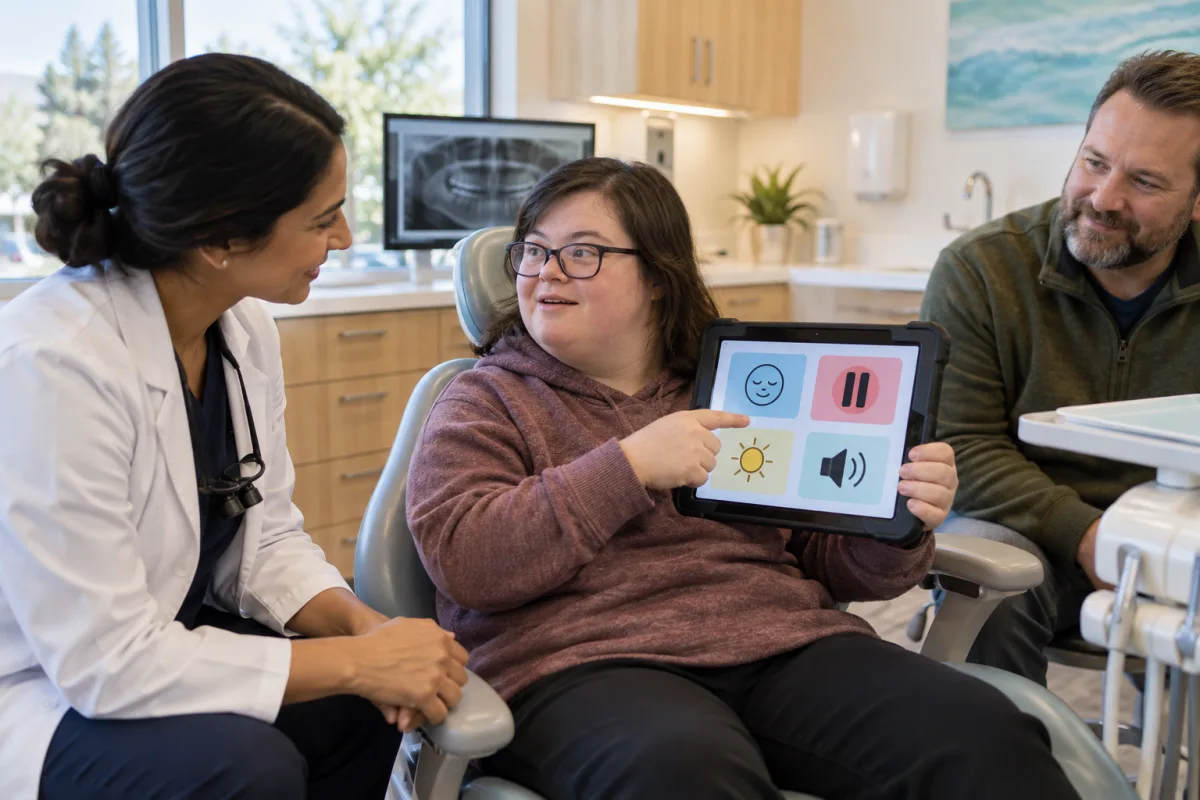
Plain language, visual supports, extra response time, demonstration or communication through the patient’s preferred method may improve understanding.
Port Dover Family Dentistry
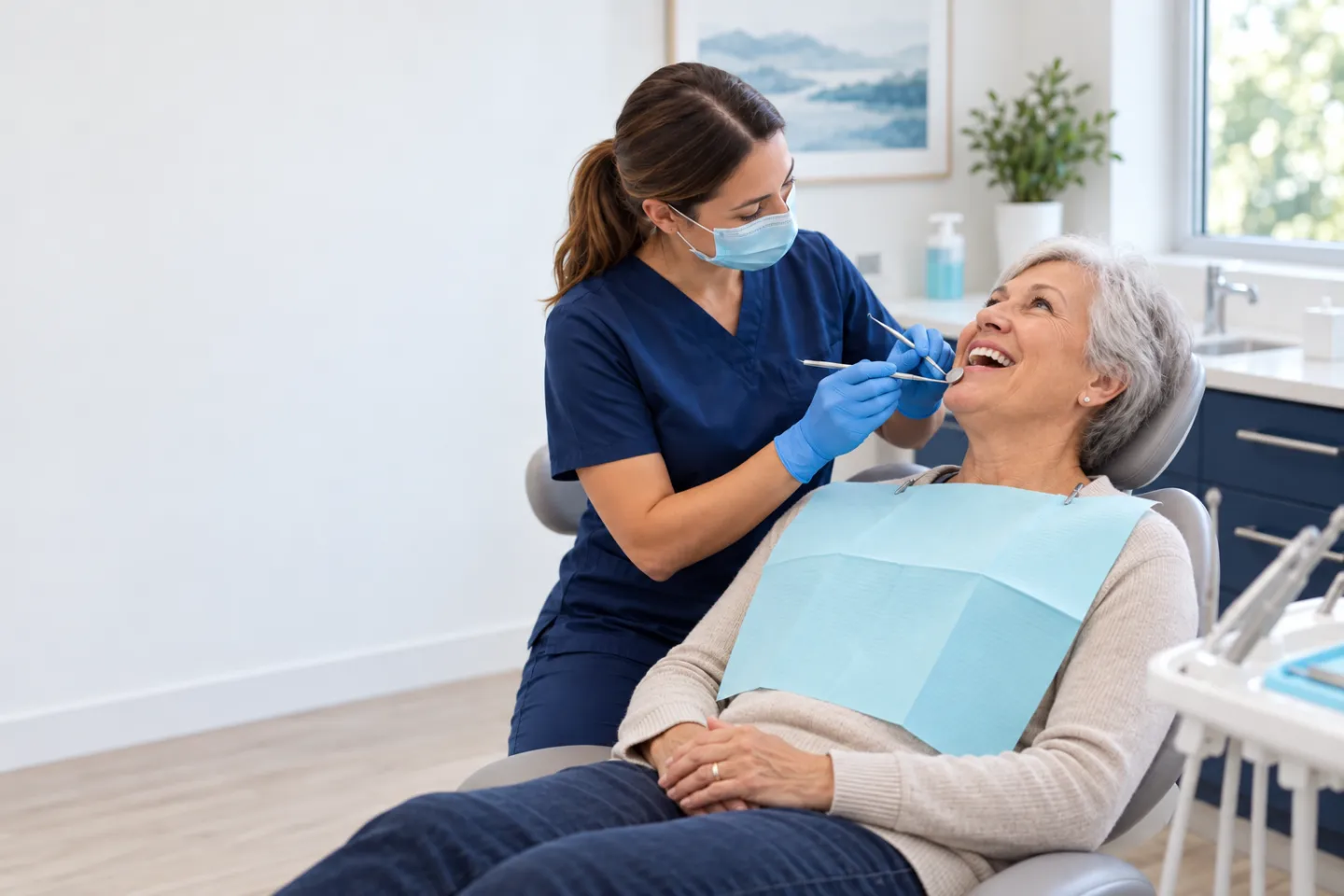
Special-care dentistry in Port Dover adapts assessment, communication and treatment planning for patients with medical, developmental, cognitive or sensory needs.
Let’s get you smiling
Tell us how we can help. Our team will follow up to confirm a time.
Special-care dentistry in Port Dover
A medical condition, disability, developmental difference, cognitive change, sensory need or difficulty tolerating treatment can affect how dental care is delivered—but it does not define the person or replace their goals. Special-care dentistry begins by asking what support is useful.
We review health, medications, communication, consent, mobility, daily oral care and previous healthcare experiences before deciding what can be provided safely in the office. The plan may adapt the visit, coordinate with caregivers or clinicians, or recommend referral when needs exceed the setting or available resources.
Person first, diagnosis second
Tell us how you communicate, what causes distress, what helps and how much assistance you use. A diagnostic label alone does not explain the accommodations one person needs.
Information that helps us prepare
Useful changes depend on the individual, the treatment and what can be provided safely—not on assumptions about a condition.
Plain language, visual supports, extra response time, demonstration or communication through the patient’s preferred method may improve understanding.
Selected changes to light, sound, sequence, room setup or appointment timing may reduce avoidable sensory load.
Shorter stages, planned pauses and discussion of comfortable positioning can help with fatigue, movement, breathing or tolerance.
With the patient’s consent, a caregiver can share health information, daily-care challenges and strategies that work in other settings.
Prepare before the visit
Calling before the appointment gives the team time to understand needs, gather records and discuss which first visit is realistic.
Describe communication, mobility, transfer or positioning needs, triggers, successful strategies, health conditions, medications and decision-making support.
The first appointment may focus on conversation, familiarization, a limited examination or urgent assessment depending on tolerance and clinical need.
The dentist evaluates what can be completed safely and identifies pain, infection, decay, gum disease, dry mouth, trauma or appliance concerns.
We explain reasonable in-office adaptations and, when necessary, coordinate with a physician, specialist, hospital-based program or another appropriate provider.
Consent and supported decisions
The patient remains at the centre of communication. A support person may help interpret preferences, recall health information, assist with communication or support daily care, but their presence does not automatically replace the patient’s voice or consent.
Decision-making ability is specific to the decision and may vary. The dentist must explain proposed care in an understandable way, assess consent requirements and document the role of any legally authorized substitute decision-maker when applicable.
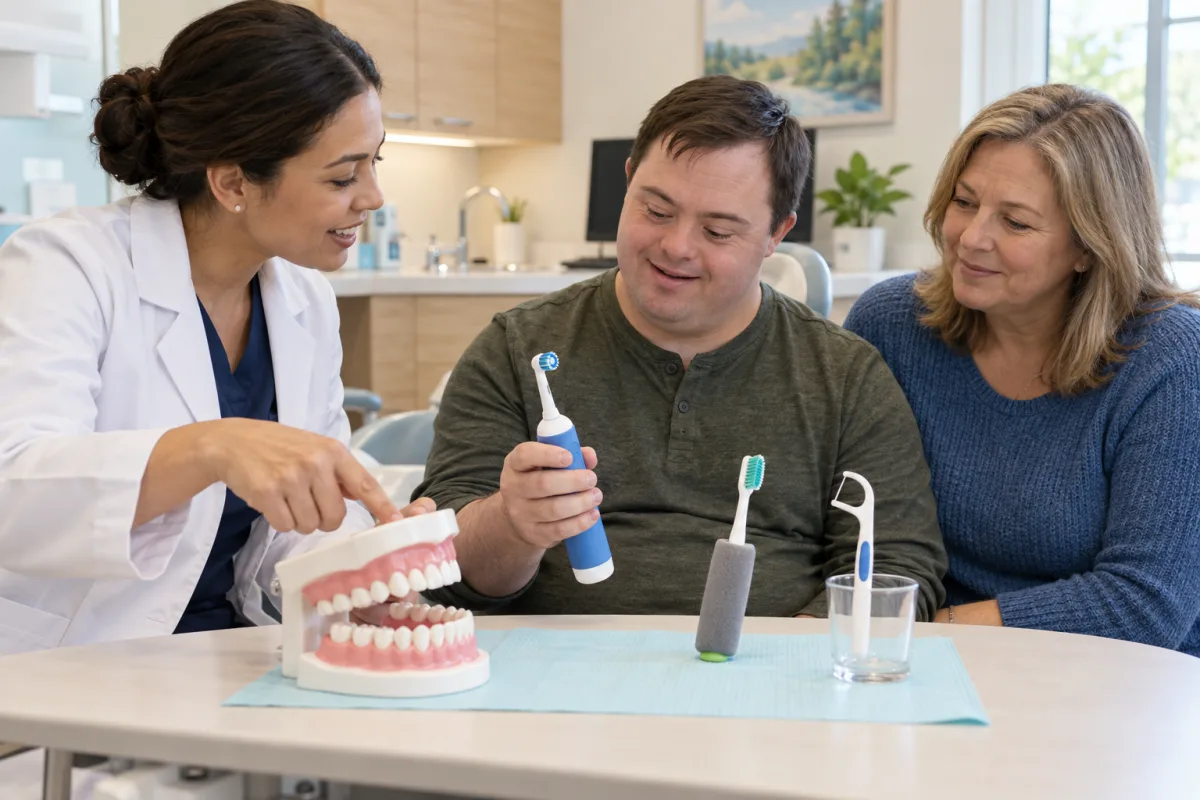
Address questions and explanations to the patient using their preferred communication method whenever possible.
Agree on what the support person will help with and protect privacy when personal health information is discussed.
Use teach-back, demonstration or another suitable method rather than assuming silence means agreement.
Clinical planning beyond the appointment
Conditions and medicines can change cavity risk, gum health, saliva, bleeding, healing, swallowing and the ability to complete oral hygiene.
Bring an updated medication list and relevant diagnoses, allergies and specialist contacts so precautions and timing can be reviewed.
Medicines, assisted feeding, frequent carbohydrates and reduced saliva may require additional prevention and monitoring.
Grip, movement, sensory tolerance, memory or swallowing concerns may call for an adapted brush, caregiver technique or simpler routine.
If essential care cannot be completed safely with reasonable adaptation, the dentist may discuss sedation assessment or referral rather than forcing treatment.
Do not stop prescription medication or change a medical routine for dental care unless the prescribing or treating clinician has reviewed and directed the change.
Make home care achievable
The best routine is one the patient and caregiver can carry out safely and consistently.
An electric brush, enlarged handle, compact head, floss holder or another aid may help depending on grip, reach and sensory tolerance.
A consistent place, time and order can make care easier to anticipate. Visual or verbal cues may support selected patients.
Offer only the assistance needed, explain before touching and encourage as much safe independence as the person prefers and can manage.
Report pain behaviours, eating changes, swelling, bleeding, broken teeth, bad breath or refusal of a previously tolerated routine.
Individualized dental planning
Contact the team before booking so we can discuss health, communication, sensory, mobility and support needs and set a realistic first-visit goal.
Special-care dentistry questions
Anyone whose medical, physical, developmental, cognitive, behavioural, sensory or communication needs affect routine dental care may benefit from individualized planning. The useful accommodations are based on the person, not a diagnosis alone.
Yes, a support person can assist with communication, mobility, personal care or health information. The patient’s preferences, privacy and consent remain central, and the support person’s role should be discussed.
Share medications, allergies, medical contacts, communication method, mobility and positioning needs, triggers, successful strategies, decision-making supports and the most urgent dental concern.
No. Many visits can be adapted through communication, timing, familiarization, pacing or positioning. Sedation requires a separate health and risk assessment and is not appropriate or necessary for everyone.
The dentist will explain the limitation and discuss next steps, which may include additional medical information, a different appointment plan, specialist consultation or referral to a setting with appropriate resources.
Recognized year after year
Best Dentists in Norfolk
Proudly recognized among Norfolk’s top-rated dental practices for six consecutive years.

2021 Winner

2022 Winner

2023 Winner

2024 Winner

2025 Winner

2026 Winner
Stories from our patients
Watch a patient’s experience and browse more five-star reviews from people who have visited our Port Dover dental clinic.
Patient video
A patient shares the welcoming atmosphere and positive experience they found at our Port Dover office.
Google reviews
Swipe or use the arrows
Read all reviewsOur community
Your next visit can start today
New patients and CDCP patients are welcome. Tell us how we can help and our Port Dover dental team will follow up with you.
Evening appointments Monday and Tuesday