
Patient video
Welcoming and Wonderful Practice
A patient shares the welcoming atmosphere and positive experience they found at our Port Dover office.
★★★★★

Port Dover Family Dentistry
A severe toothache can mean decay, infection or a cracked tooth. Cultus patients can learn how to ease pain safely, when to call and how the cause is treated.
Let’s get you smiling
Tell us how we can help. Our team will follow up to confirm a time.
Caring for Cultus patients at our office in Port Dover
Browse every dental service for CultusWhen the pain will not let up
A toothache that throbs, keeps you awake or does not respond to pain relief often means the nerve inside the tooth is inflamed or infected. It can also come from a cracked tooth, a gum infection or a problem with an impacted wisdom tooth. Identifying the cause is the first step toward lasting relief.
If you are in Cultus with a severe toothache, call our Port Dover office to describe your symptoms. The team will discuss how quickly you should be seen and what you can do to manage the pain until then. Signs of spreading infection need emergency care.
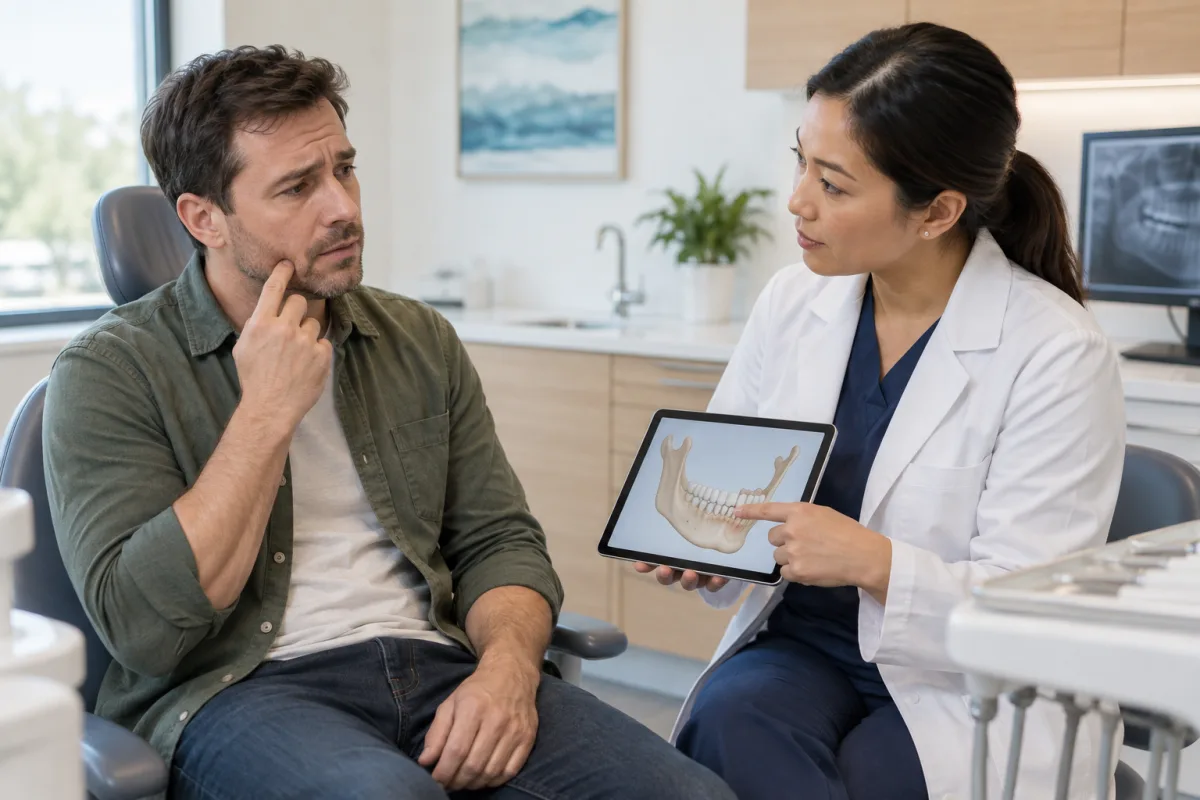
Understanding the pain
Pain that lingers after hot or cold, throbs on its own or wakes you at night often indicates inflammation of the pulp. If infection develops, you may notice swelling, a bad taste or tenderness when biting. These symptoms usually need treatment such as a root canal or extraction. Painkillers alone rarely settle them for long.
Sharp pain on biting may point to a cracked tooth. Pain around a partly erupted wisdom tooth may come from gum infection. Sinus problems can also cause upper tooth pain. Describe when and how the pain occurs so the dentist can narrow down the source. Mention any recent colds or sinus pressure as well, since these can mimic tooth pain.
Easing the pain
Over-the-counter pain relievers may help if they are safe for you; follow package directions and do not exceed recommended doses. Rinse with warm salt water and floss gently to remove trapped food. A cold compress on the outside of the cheek may reduce swelling and discomfort. Propping your head up at night can ease throbbing.
Avoid placing aspirin or other tablets directly on the gum, as this can burn the tissue. Do not apply heat to a swollen face. Avoid very hot, cold or sweet foods and chewing on the painful side. Pain relief helps, but it does not treat the underlying cause. Book an assessment even if the pain eases.
Diagnosis and treatment
The dentist examines the area, asks about your symptoms and takes X-rays. Tests such as cold, tapping or bite tests help locate the affected tooth and assess the nerve. Sometimes pain is felt in a different tooth from the one causing it, so careful testing is important. Your answers during testing help guide the diagnosis.
Treatment depends on the cause. Root canal treatment may relieve pain from an inflamed or infected nerve. A cracked tooth may need a crown. Gum infections may require cleaning, and some teeth need extraction. The dentist will explain the options and help you choose. Often the first visit focuses on relieving pain, with the rest of the treatment completed at a follow-up.
After treatment
Some tenderness is normal for a few days after treatment. Follow instructions about pain relief and eating. Call the office if pain worsens, swelling increases or fever develops. Keep follow-up appointments to complete treatment, such as placing a crown after a root canal. A temporary filling is not designed to protect the tooth for long, so the final step matters.
Many severe toothaches start as small cavities or cracks that could have been treated earlier. Regular checkups, good hygiene and attention to early sensitivity help prevent future pain. If you notice a twinge or a rough spot, mention it rather than waiting. A night guard can also protect teeth if grinding has been contributing to cracks or sensitivity.
Planning your appointment
Call our Port Dover office if you have a severe toothache. Describe the pain, any swelling and how long it has lasted so the team can advise on timing and first steps.
Bring a list of medications and note what pain relief you have taken. Seek emergency care if swelling spreads or breathing becomes difficult.
Before you book
Have a question about your situation? Our team can help you plan a visit.
Lying down can increase blood flow to the head, which may intensify pressure in an inflamed tooth. Fewer distractions also make pain more noticeable. Call the office for an assessment rather than waiting it out.
Pain may come and go, but the underlying cause usually remains. A toothache that stops suddenly can mean the nerve has died, and infection may still develop. Keep your appointment even if you feel better.
Go to the emergency room for spreading facial swelling, difficulty breathing or swallowing or high fever. For most toothaches, contact the dental office first, since the tooth itself will need dental treatment to settle properly.
Not always. Root canals are often recommended for an inflamed or infected nerve. The dentist will test the tooth and explain the best option for you. Sometimes a simpler filling is enough to settle things.
Antibiotics may help with spreading infection but do not treat the cause of most toothaches. Dental treatment is usually needed for lasting relief. Taking antibiotics when they are not needed can also cause side effects without any benefit.
Root canal treatment can save a tooth with an inflamed or infected nerve. Cultus patients can learn about diagnosis, the procedure, comfort and the final crown.
An emergency dental exam focuses on one urgent problem. Cultus patients can learn what to tell the team when calling and what the visit usually involves.
Recognized year after year
Best Dentists in Norfolk
Proudly recognized among Norfolk’s top-rated dental practices for six consecutive years.

2021 Winner

2022 Winner

2023 Winner

2024 Winner

2025 Winner

2026 Winner
Stories from our patients
Watch a patient’s experience and browse more five-star reviews from people who have visited our Port Dover dental clinic.
Patient video
A patient shares the welcoming atmosphere and positive experience they found at our Port Dover office.
Google reviews
Swipe or use the arrows
Read all reviewsYour next visit can start today
New patients and CDCP patients are welcome. Tell us how we can help and our Port Dover dental team will follow up with you.
Evening appointments Monday and Tuesday