
Patient video
Welcoming and Wonderful Practice
A patient shares the welcoming atmosphere and positive experience they found at our Port Dover office.
★★★★★
Port Dover Family Dentistry
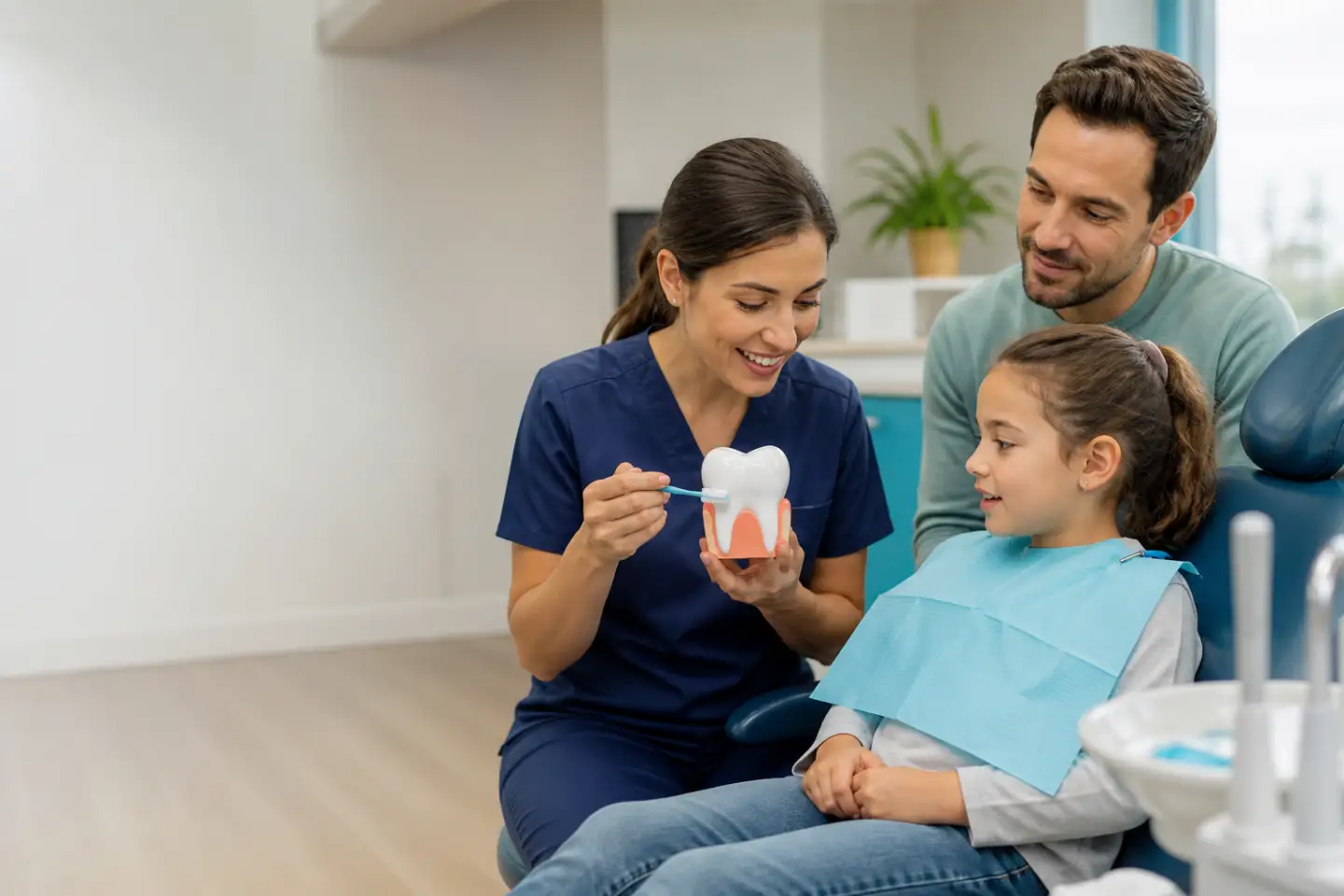
Sealants protect molar grooves and fluoride strengthens enamel. Normandale parents can learn when each is recommended and what to expect at our Port Dover office.
Let’s get you smiling
Tell us how we can help. Our team will follow up to confirm a time.
Caring for Normandale residents and seasonal visitors at our Port Dover office
See every dental service for NormandaleExtra protection
Back teeth have deep grooves where food and bacteria easily collect, and young enamel is still maturing. Sealants are thin protective coatings painted onto the chewing surfaces of molars to block out debris. Fluoride treatments help strengthen enamel and make it more resistant to acid attacks. Together, they add a layer of protection to a good home routine.
Normandale families can ask about sealants and fluoride during their child’s visits to our Port Dover office. The dentist will assess your child’s teeth and cavity risk, then explain whether either treatment is recommended.
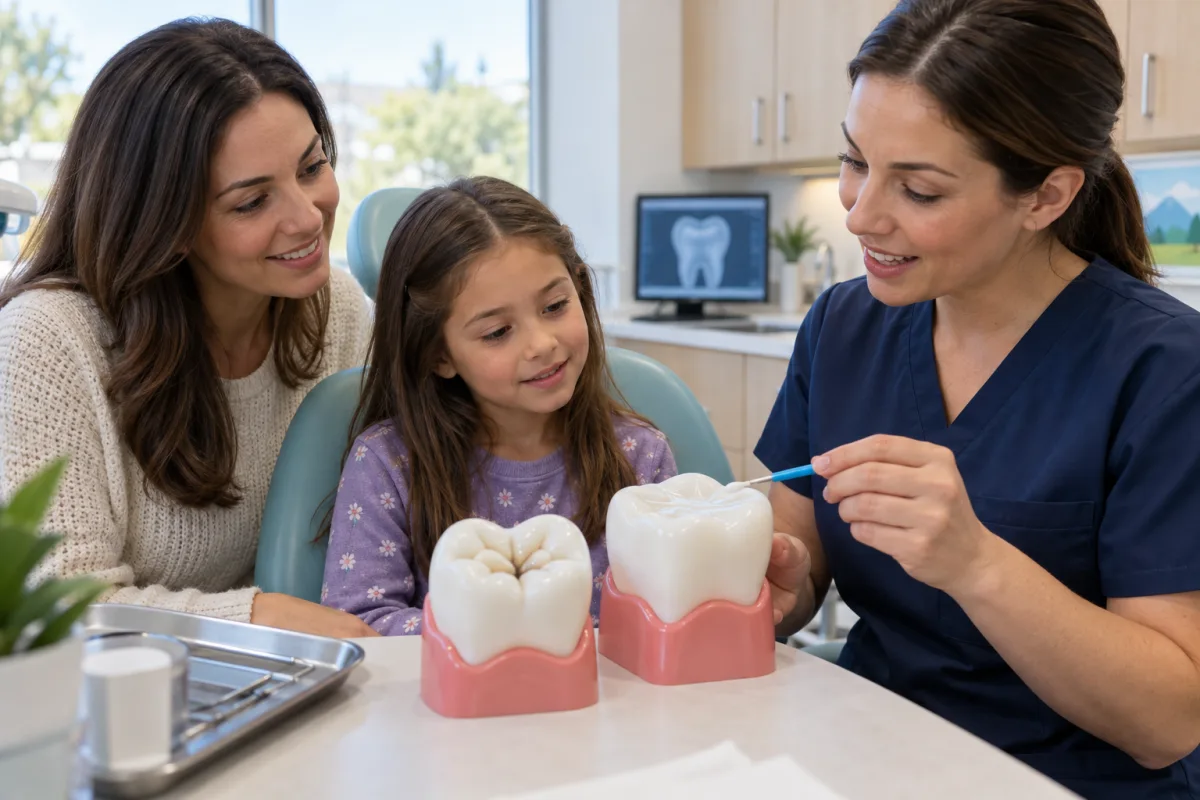
Sealants
Molars have pits and fissures that toothbrush bristles struggle to reach. A sealant flows into these grooves and hardens, creating a smooth surface that is easier to clean. It helps prevent food and bacteria from settling in, reducing the chance of cavities forming in these vulnerable areas.
Sealants are often recommended for permanent molars soon after they erupt, typically in the early school years and again in the preteen years. Some children with deep grooves in baby molars or higher cavity risk may also benefit. The dentist will explain whether sealants suit your child.
Fluoride
Fluoride makes enamel more resistant to acids produced by bacteria and can help repair very early enamel damage. Professional fluoride is applied as a varnish or gel during dental visits. It is quick and painless, and a short wait before eating or drinking may be advised afterward.
Fluoride toothpaste used twice daily is an important part of home care. Use an age-appropriate amount as directed by the team. The dentist may recommend additional fluoride for children with higher cavity risk. Avoid swallowing toothpaste, and supervise young children while brushing.
The appointment
The tooth is cleaned and dried, then a conditioning solution is applied to help the sealant bond. The sealant is painted into the grooves and hardened with a curing light. No numbing is usually needed. The dentist checks the bite to make sure it feels comfortable.
Fluoride varnish is painted onto the teeth with a small brush. It sets quickly when it contacts saliva. Your child may notice a slight taste or texture. Follow any instructions about eating, drinking and brushing for the rest of the day.
Ongoing care
Sealants can wear or chip over time. The dentist checks them at regular visits and may repair or reapply them if needed. Encourage your child not to chew ice or hard objects, which can damage sealants. Let the team know if a sealant seems to have come off.
Sealants and fluoride do not replace brushing, cleaning between teeth and healthy eating. Keep sugary snacks and drinks to mealtimes, offer water between meals and help with brushing until your child can do a thorough job. Regular checkups keep prevention on track.
Planning your appointment
When booking your child’s checkup at our Port Dover office, ask whether sealants or fluoride might be recommended. The dentist will assess your child’s teeth and explain the reasoning.
Mention if your child has had cavities before, since that affects which preventive steps the dentist suggests.
Before you book
Have a question about your situation? Our team can help you plan a visit.
Sealants are often placed on permanent molars soon after they erupt. The dentist will recommend timing based on your child’s teeth and cavity risk.
No. Sealant application usually does not require numbing. The tooth is cleaned, the sealant is painted on and hardened with a light.
Sealants can last several years but may wear or chip. The dentist checks them at regular visits and repairs them when needed.
Fluoride is widely used to prevent cavities when applied in appropriate amounts. The team will recommend fluoride based on your child’s age and risk.
Sometimes, if baby molars have deep grooves or your child has higher cavity risk. The dentist will advise whether it is helpful.
What happens at a child’s dental exam? A guide for Normandale parents on growth checks, cavity screening and how to prepare kids for a visit in Port Dover.
Found a cavity in your child’s tooth? Normandale families can learn how decay is assessed, treated and prevented at our Port Dover office, baby teeth included.
Recognized year after year
Best Dentists in Norfolk
Proudly recognized among Norfolk’s top-rated dental practices for six consecutive years.

2021 Winner

2022 Winner

2023 Winner

2024 Winner

2025 Winner

2026 Winner
Stories from our patients
Watch a patient’s experience and browse more five-star reviews from people who have visited our Port Dover dental clinic.
Patient video
A patient shares the welcoming atmosphere and positive experience they found at our Port Dover office.
Google reviews
Swipe or use the arrows
Read all reviewsYour next visit can start today
New patients and CDCP patients are welcome. Tell us how we can help and our Port Dover dental team will follow up with you.
Evening appointments Monday and Tuesday