
Patient video
Welcoming and Wonderful Practice
A patient shares the welcoming atmosphere and positive experience they found at our Port Dover office.
★★★★★
Port Dover Family Dentistry
Kids cope better when treatment is explained in words they understand. Wilsonville parents can learn how our Port Dover team prepares children for dental care.
Let’s get you smiling
Tell us how we can help. Our team will follow up to confirm a time.
Caring for Wilsonville patients at our Port Dover office
See every dental service for WilsonvilleUnderstanding builds confidence
Children often cope better with dental treatment when they understand what is happening. Pediatric treatment education means explaining procedures in age-appropriate words, showing instruments before they are used and helping parents prepare at home. It also involves teaching children why care matters, so brushing and checkups feel like part of looking after themselves.
Parents in Wilsonville preparing a child for a filling, sealant or other treatment can ask our Port Dover team for guidance on what to say beforehand. Sharing your child’s temperament and past experiences helps the team choose explanations that suit them.
Talking at home
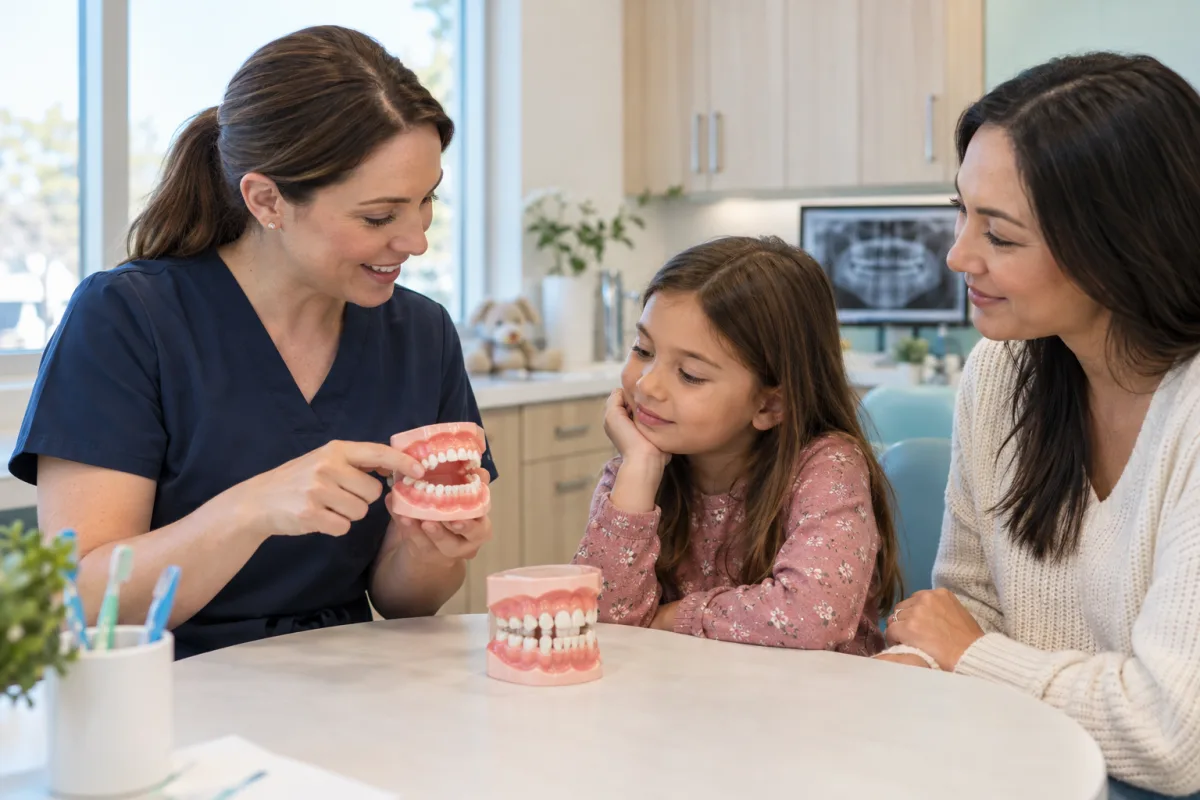
Use words like clean, count, sleepy tooth or tooth vitamins instead of needle, drill or pain. Keep explanations short and calm. Avoid sharing your own dental fears or stories of uncomfortable experiences. A brief explanation a day or two before is often enough for younger children.
If your child asks whether something will hurt, you can say the dentist will make sure the tooth feels sleepy and that they can raise a hand if they need a break. Avoid promises you cannot keep. If you do not know an answer, say the dentist will explain it.
In the office
Many dental teams use the tell-show-do approach: they tell the child what will happen, show the instrument, perhaps on a finger, and then do the step. This predictability helps children feel more in control. Praise for cooperation, even small efforts, encourages positive associations.
Toddlers may need very simple explanations and lots of reassurance. School-age children often appreciate a bit more detail and the chance to ask questions. Teens may want to be spoken to directly and involved in decisions. Let the team know what you think will work best for your child.
Learning habits
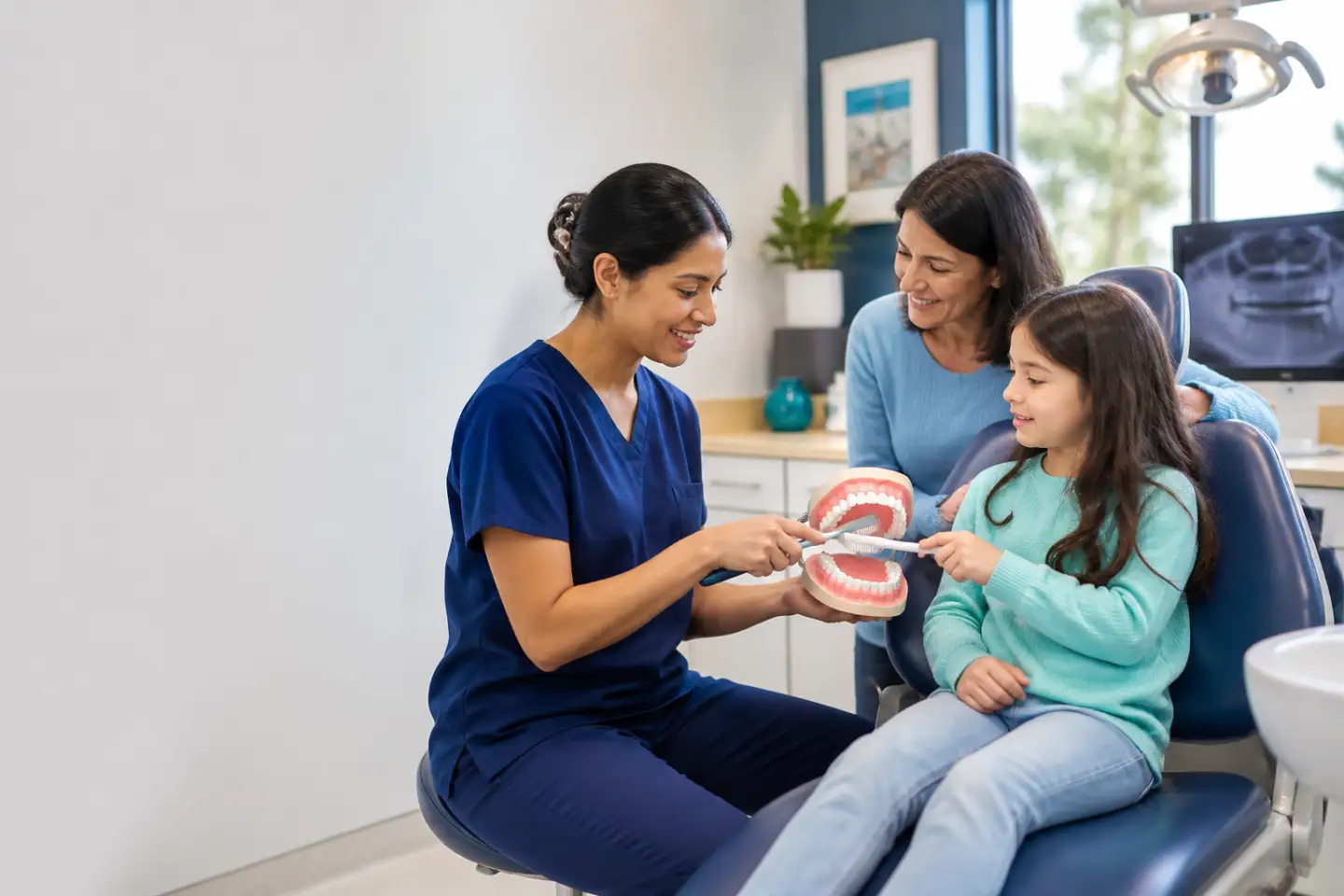
The team may demonstrate brushing on a model or in your child’s mouth, showing how to reach back teeth and the gumline. Children may be shown how to floss or use interdental tools. Parents can learn how to help until children have the dexterity to brush well on their own.
Discussions may cover how often sugary snacks and drinks affect teeth, why water is a good choice between meals and the importance of wearing a mouthguard for sports. Keeping messages positive and practical helps children remember and apply them.
After treatment
After the visit, ask your child what they remember and how they felt. Praise their bravery and effort. If something was difficult, talk about it calmly and share the feedback with the team so they can adjust the approach next time.
Reinforce what was learned with daily routines, like brushing together and choosing tooth-friendly snacks. Charts or stickers can motivate younger children. Regular checkups give more opportunities to build confidence and knowledge as your child grows.
Planning your appointment
Call our Port Dover office before your child’s appointment and ask for tips on what to say at home. Share any worries or past experiences so the team can plan an approach that suits your child.
Bring a favourite comfort item and any notes about your child’s needs, such as sensory sensitivities or learning differences.
Before you book
Have a question about your situation? Our team can help you plan a visit.
Keep it simple and positive. Younger children usually need only a short explanation shortly before the visit. Older children may want more detail. The team can help you choose the right words.
Many young children are comforted by a parent nearby. Discuss with the team what will help your child focus and feel safe.
The team will pause, offer reassurance and try different approaches. Sometimes treatment is spread over shorter visits to help children adjust.
Yes. Teens often benefit from being involved in conversations and decisions, with parents included as appropriate.
Ask the team for suggestions. Picture books and short child-friendly videos about dental visits can help children know what to expect.
A first dental visit is mostly about comfort and getting acquainted. Wilsonville parents can learn how to prepare a little one for a visit to our Port Dover office.
Some children dread the dentist. Wilsonville parents can learn ways to prepare a nervous child and how visits can be paced at our Port Dover family dental office.
Recognized year after year
Best Dentists in Norfolk
Proudly recognized among Norfolk’s top-rated dental practices for six consecutive years.

2021 Winner

2022 Winner

2023 Winner

2024 Winner

2025 Winner

2026 Winner
Stories from our patients
Watch a patient’s experience and browse more five-star reviews from people who have visited our Port Dover dental clinic.
Patient video
A patient shares the welcoming atmosphere and positive experience they found at our Port Dover office.
Google reviews
Swipe or use the arrows
Read all reviewsYour next visit can start today
New patients and CDCP patients are welcome. Tell us how we can help and our Port Dover dental team will follow up with you.
Evening appointments Monday and Tuesday