
Patient video
Welcoming and Wonderful Practice
A patient shares the welcoming atmosphere and positive experience they found at our Port Dover office.
★★★★★
Port Dover Family Dentistry
When a child needs a filling or other treatment, understanding helps. Walsingham families can learn how our Port Dover team explains care to kids and how parents can help.
Let’s get you smiling
Tell us how we can help. Our team will follow up to confirm a time.
Serving Walsingham households from our Port Dover office
See every dental service for WalsinghamUnderstanding builds confidence
Hearing that your child needs a filling, sealant or other treatment can raise questions for both of you. Children often fear the unknown more than the procedure itself. Pediatric treatment education means explaining care in age-appropriate words, showing tools before they are used and giving parents the information they need to support their child before, during and after the visit.
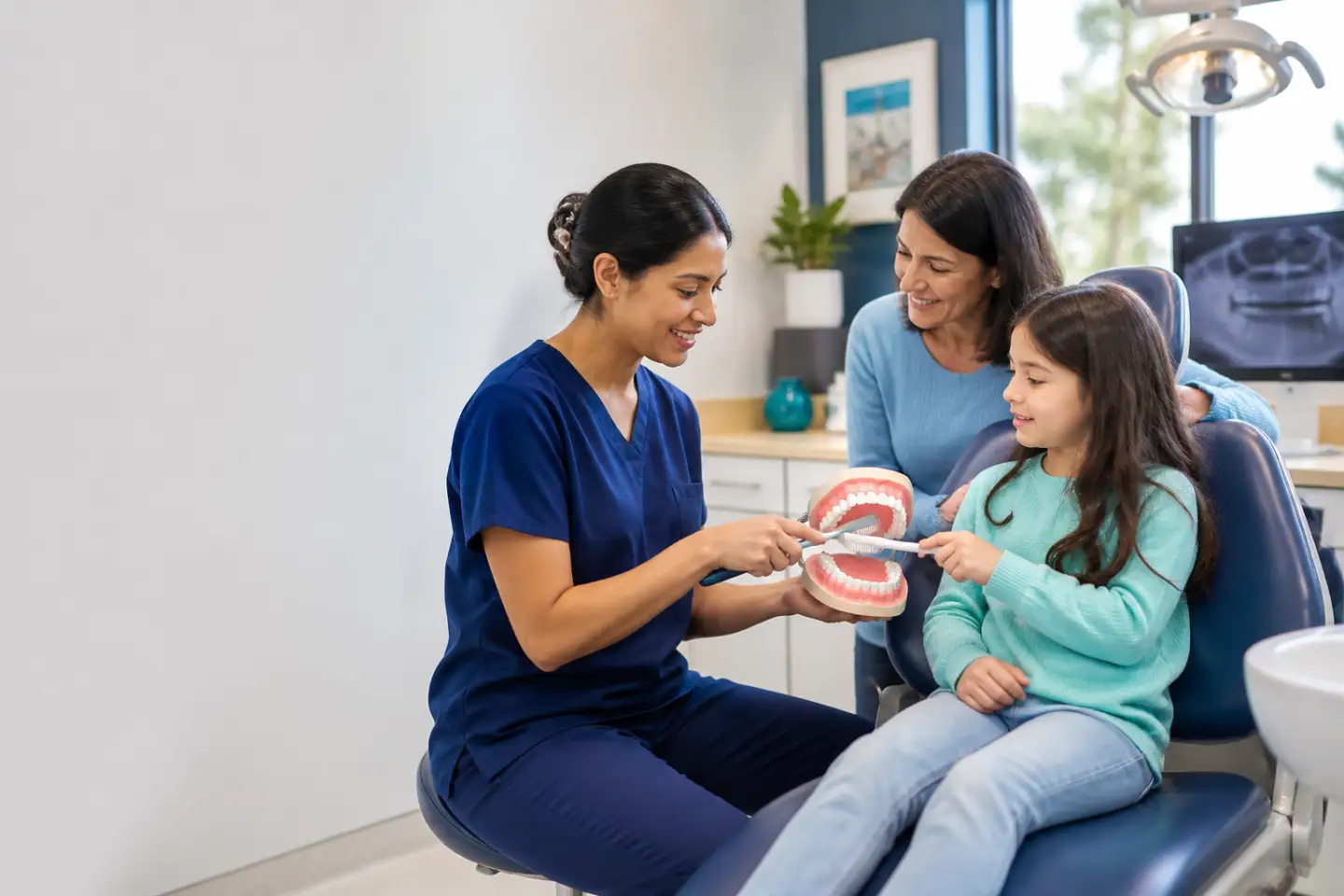
Families from Walsingham can expect our Port Dover team to take time to explain treatment to both parent and child. You are welcome to ask questions, request simpler explanations and share how your child learns best, so the appointment feels predictable and manageable rather than frightening.
For parents
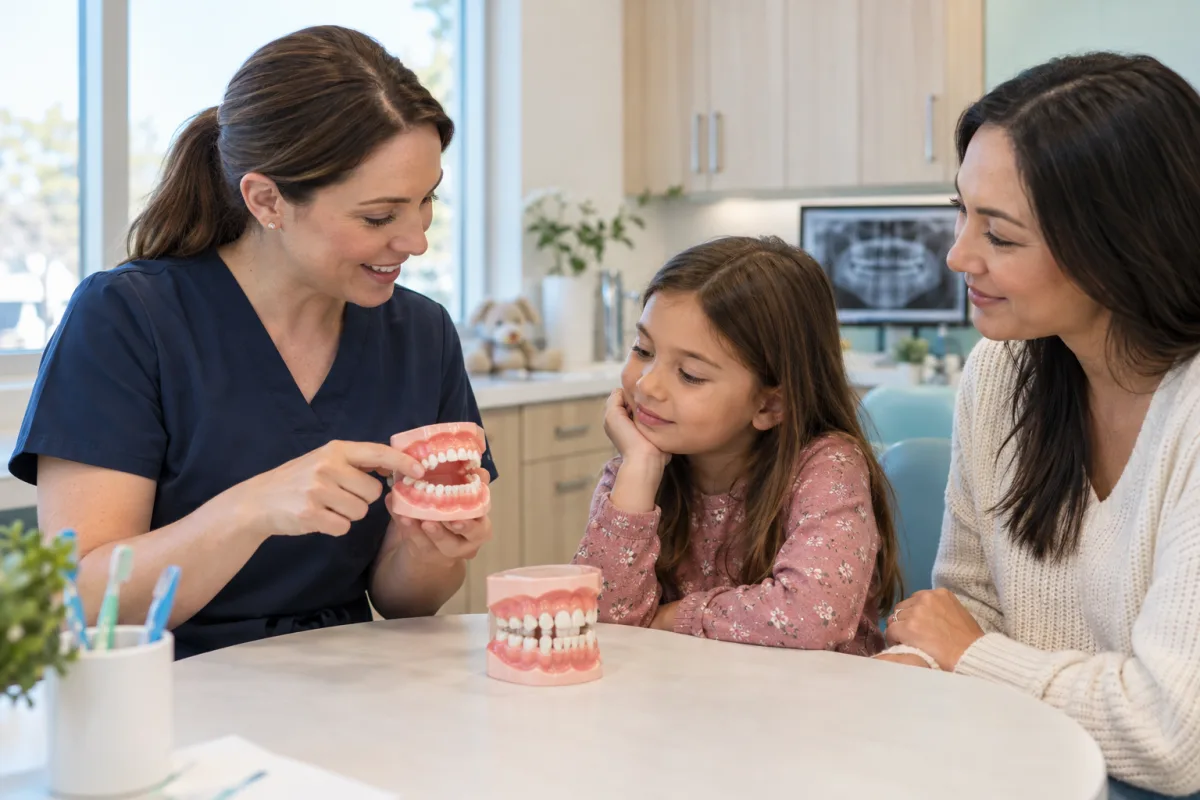
When the dentist recommends treatment, ask them to explain what the problem is, why treatment is needed and what could happen if it is delayed. Request a description of the steps involved and how long the appointment may take. Knowing these details helps you prepare your child and plan the day.
Ask whether freezing will be used, what your child might feel, and whether there are comfort options such as nitrous oxide. Find out what to expect afterwards, including eating, numbness and any pain. If your child has special needs or past difficult experiences, share them so the team can adapt.
For children
Instead of frightening words, the team may describe a cavity as a sugar bug, freezing as sleepy juice or the suction as a straw. These terms help children understand without creating fear. Parents can use similar language at home. Avoid words like needle, shot, hurt or drill when preparing your child.
Many dental teams use a tell-show-do approach. They explain what will happen, show the tool or demonstrate it on a finger, then carry out the step. This helps children know what is coming and builds trust. Children can also be taught a signal, like raising a hand, to ask for a break.
Preparing at home
Talk about the appointment calmly and positively a day or two beforehand, depending on your child’s temperament. Explain that the dentist will make the tooth strong and healthy. Answer questions honestly but simply. If your child is very anxious, too much advance notice can increase worry, so adjust the timing.
Read books or watch short videos about dental visits together. Role-play with a toothbrush and a stuffed animal. Plan a calm activity for after the visit. Bring a comfort item if it helps. Let the team know about anything that works well for your child, such as music or a particular way of being reassured.
After treatment
If freezing was used, watch your child to prevent lip, cheek or tongue biting while numb. Offer soft foods and cool drinks. Mild soreness can be managed with pain relief suitable for your child’s age, as directed. Contact the office if pain increases, swelling appears or anything seems unusual.
Use the experience to talk about how brushing, flossing and fewer sugary snacks help prevent future cavities. Praise your child for being brave. Keep up with regular checkups so problems are caught early, when treatment is smaller. Each positive experience helps your child feel more confident at future visits.
Planning your appointment
When booking treatment at our Port Dover office, Walsingham parents can ask for a description of the procedure in advance. Let the team know about your child’s fears, needs or learning style.
Bring a comfort item, a list of your child’s medications and allergies, and any questions you want to ask before treatment begins.
Before you book
Have a question about your situation? Our team can help you plan a visit.
Give simple, honest information suited to your child’s age. Focus on what they will see and feel, without frightening words. You know your child best, so adjust the detail and timing.
Often, yes, especially for younger children. Some older children cope better alone. Discuss your child’s needs with the team, and they will suggest what may work best.
Share details when booking. The team can adapt communication, use visual aids, schedule quieter times or discuss other supports. Planning ahead helps make the visit more comfortable.
Children can remember difficult experiences, which is why gentle, positive approaches matter. If a previous visit was hard, tell the team so they can take extra care.
Keep regular checkups, talk positively about the dentist, avoid using dental visits as threats and praise your child for their efforts. Familiarity often reduces anxiety over time.
Planning your little one’s first dental visit from Walsingham? See when to book, how to prepare and what a gentle first appointment at our Port Dover office looks like.
Is your child scared of the dentist? Walsingham parents can learn how to prepare, what to share with our Port Dover team and how visits can build confidence step by step.
Recognized year after year
Best Dentists in Norfolk
Proudly recognized among Norfolk’s top-rated dental practices for six consecutive years.

2021 Winner

2022 Winner

2023 Winner

2024 Winner

2025 Winner

2026 Winner
Stories from our patients
Watch a patient’s experience and browse more five-star reviews from people who have visited our Port Dover dental clinic.
Patient video
A patient shares the welcoming atmosphere and positive experience they found at our Port Dover office.
Google reviews
Swipe or use the arrows
Read all reviewsYour next visit can start today
New patients and CDCP patients are welcome. Tell us how we can help and our Port Dover dental team will follow up with you.
Evening appointments Monday and Tuesday