
Patient video
Welcoming and Wonderful Practice
A patient shares the welcoming atmosphere and positive experience they found at our Port Dover office.
★★★★★
Port Dover Family Dentistry
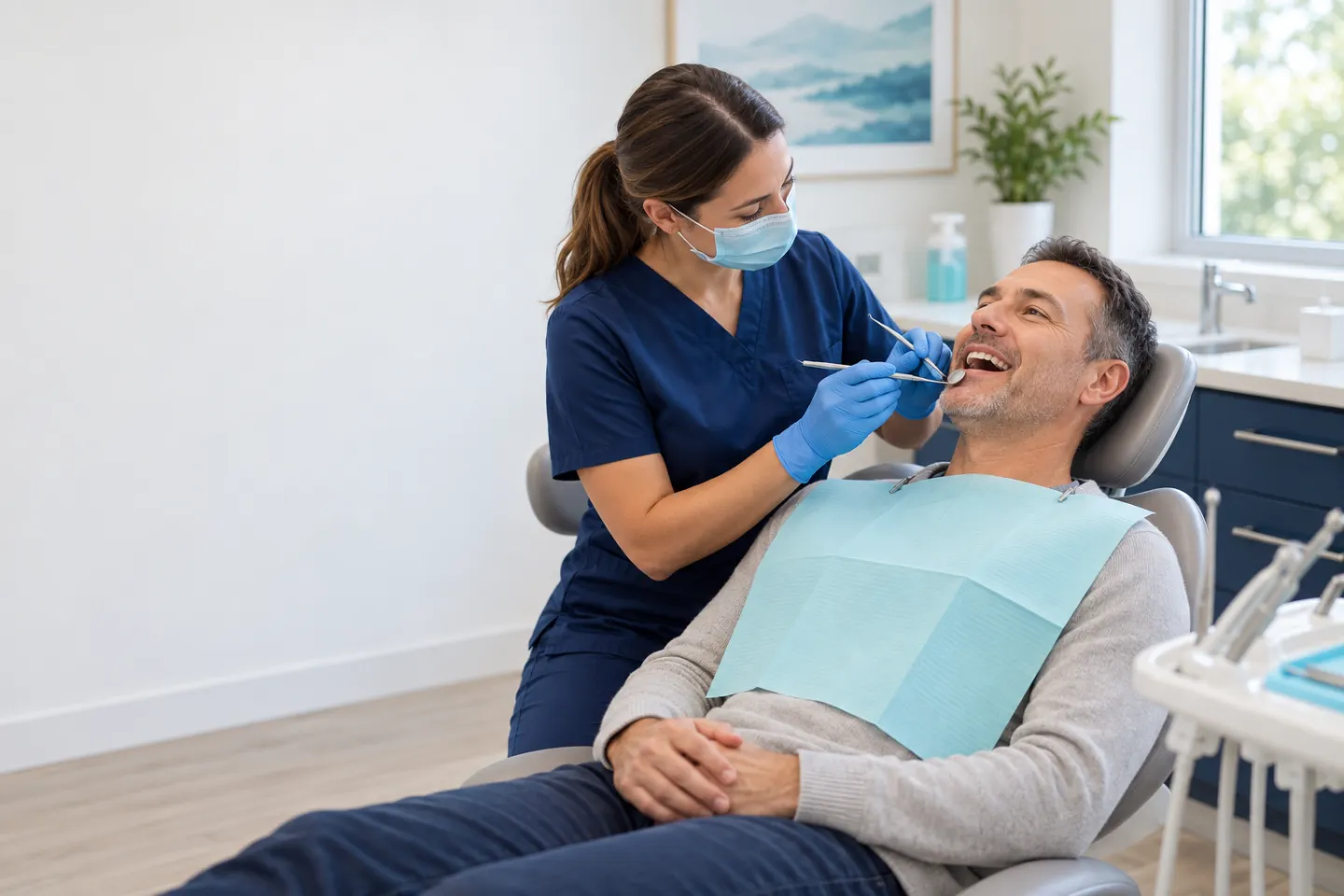
Bleeding, puffy or receding gums can signal gum disease. Peacock Point patients can have their gums measured and treatment options explained at our Port Dover office.
Let’s get you smiling
Tell us how we can help. Our team will follow up to confirm a time.
Caring for Peacock Point residents and cottagers at our Port Dover office
Browse every dental service for Peacock PointHealthy gums, stable teeth
Gum disease begins when plaque along the gumline causes inflammation, known as gingivitis. Gums may bleed when brushing, look red or feel tender. If it progresses to periodontitis, the tissues and bone supporting the teeth can break down, leading to receding gums, loose teeth and eventually tooth loss. Early treatment can often stop or slow the process.
Peacock Point residents, as well as cottagers who notice gum changes during the summer, can have their gums assessed at our Port Dover office. The hygiene team will measure the gums, explain the findings and outline a plan suited to the stage of disease present.

Signs
Gums that bleed when brushing or flossing, look swollen or red, feel tender or have pulled back slightly from the teeth are common early signs. Persistent bad breath or a bad taste may also occur. Many people do not feel pain in the early stages, which is why regular checkups that include gum measurements are important.
As disease advances, you may notice gaps between teeth widening, teeth feeling loose or shifting, pus near the gumline or a change in how your teeth fit together. Teeth may look longer as gums recede. These signs indicate that bone support may be affected, and prompt assessment is needed to protect remaining structures.
Assessment
The hygienist or dentist uses a small probe to measure the depth of the space between each tooth and the gum. Healthy pockets are shallow, while deeper pockets indicate disease. Bleeding, recession and tooth mobility are recorded. X-rays may be taken to assess bone levels. These measurements form a baseline for tracking progress.
Smoking, diabetes, certain medications, stress, genetics and hormonal changes can increase the risk of gum disease or make it harder to control. The dentist will ask about these factors. Managing them, such as improving blood sugar control or stopping smoking, can significantly influence how well gums respond to treatment.
Treatment
Gingivitis often responds to a thorough professional cleaning combined with improved home care. For periodontitis, scaling and root planing may be recommended, removing tartar and bacteria from below the gumline and smoothing root surfaces so gums can reattach. Local anaesthetic is often used for comfort, and treatment may be divided into several visits.
If pockets remain deep after initial treatment, the dentist may discuss additional therapies or referral to a periodontist, a gum specialist. Antimicrobial treatments may be used in some cases. The dentist will explain why further care is suggested and what it involves, so you understand the options and expected outcomes.
Maintenance
Brush twice daily along the gumline with a soft brush and clean between teeth every day using floss, interdental brushes or a water flosser. Ask the hygienist to show you the techniques and tools best suited to your mouth. Consistent home care is essential, because plaque returns quickly and can restart inflammation.
After treatment, periodontal maintenance visits are typically scheduled more often than routine cleanings to keep bacteria under control. Attend these appointments, even when your gums feel fine. If you are away for part of the year, plan visits so the interval does not stretch too long and disease does not have a chance to return.
Planning your appointment
Contact our Port Dover office to book a gum assessment. Mention bleeding, tenderness or loose teeth you have noticed, and let the team know when you were last seen for a cleaning.
Bring a list of medications and any records of previous gum treatment, including measurements from another office.
Before you book
Have a question about your situation? Our team can help you plan a visit.
No. Bleeding gums are often a sign of inflammation from plaque. It may be early gum disease, which is usually reversible with professional cleaning and improved home care. Have your gums assessed rather than brushing less.
Gingivitis can often be reversed. Periodontitis can be controlled but usually requires ongoing maintenance, since lost bone typically does not regenerate on its own. Consistent care can help keep the condition stable.
Local anaesthetic is often used to keep you comfortable. Some tenderness and sensitivity afterward are common and usually settle within days. Follow aftercare instructions and contact the office if discomfort persists.
Research has found associations between gum disease and conditions such as diabetes and heart disease. Managing gum health is part of overall wellbeing. Let the dentist know about your medical history so care can be coordinated.
Many people with treated periodontitis need maintenance visits more often than routine cleanings. The interval depends on how your gums respond. The hygienist and dentist will recommend a schedule for you.
After gum disease treatment, regular maintenance helps keep it under control. Peacock Point patients can plan maintenance visits around seasonal stays in Port Dover.
Prevention keeps teeth and gums healthier for longer. Peacock Point patients can get hygiene care and practical home-routine advice at our Port Dover dental office.
Recognized year after year
Best Dentists in Norfolk
Proudly recognized among Norfolk’s top-rated dental practices for six consecutive years.

2021 Winner

2022 Winner

2023 Winner

2024 Winner

2025 Winner

2026 Winner
Stories from our patients
Watch a patient’s experience and browse more five-star reviews from people who have visited our Port Dover dental clinic.
Patient video
A patient shares the welcoming atmosphere and positive experience they found at our Port Dover office.
Google reviews
Swipe or use the arrows
Read all reviewsYour next visit can start today
New patients and CDCP patients are welcome. Tell us how we can help and our Port Dover dental team will follow up with you.
Evening appointments Monday and Tuesday