
Patient video
Welcoming and Wonderful Practice
A patient shares the welcoming atmosphere and positive experience they found at our Port Dover office.
★★★★★
Port Dover Family Dentistry
Swelling in the cheek, jaw or gums can signal a dental infection. Lynedoch patients can learn the warning signs, when to go to hospital and when to call Port Dover.
Let’s get you smiling
Tell us how we can help. Our team will follow up to confirm a time.
Caring for Lynedoch patients at our Port Dover office
Every dental service for Lynedoch patientsSwelling is a warning sign
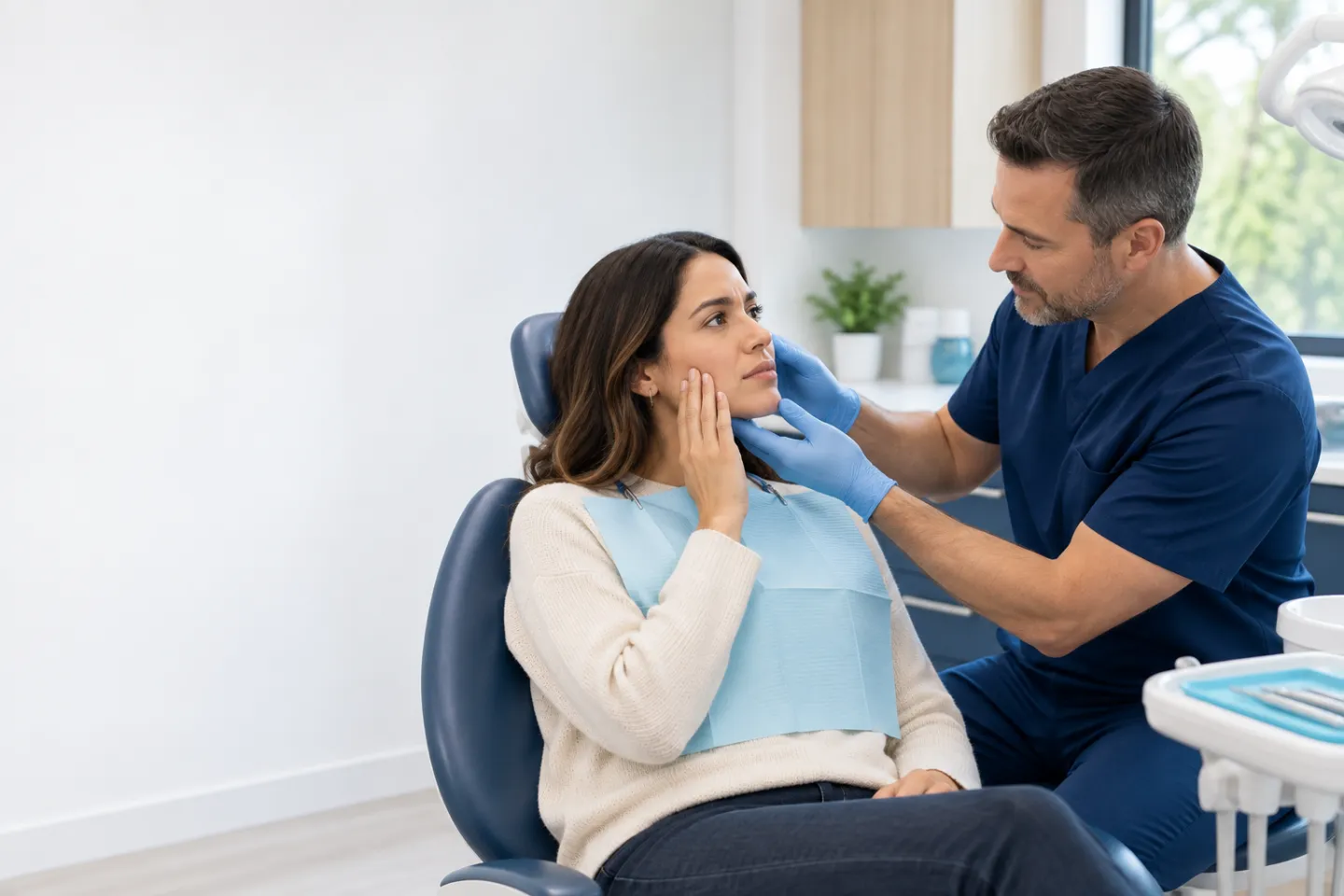
Facial swelling linked to a tooth or the gums usually means an infection has developed and is affecting the surrounding tissues. It may start as a small gum bump or a tender tooth and progress to swelling of the cheek, jaw or area under the chin. Dental infections can occasionally spread to spaces in the head and neck, which is why swelling deserves prompt attention.
If you are in Lynedoch and notice swelling, decide first whether it is a medical emergency. If breathing and swallowing are normal and the swelling is limited, call our Port Dover office to describe it. The team will discuss urgency and availability, and advise if hospital care is more appropriate.
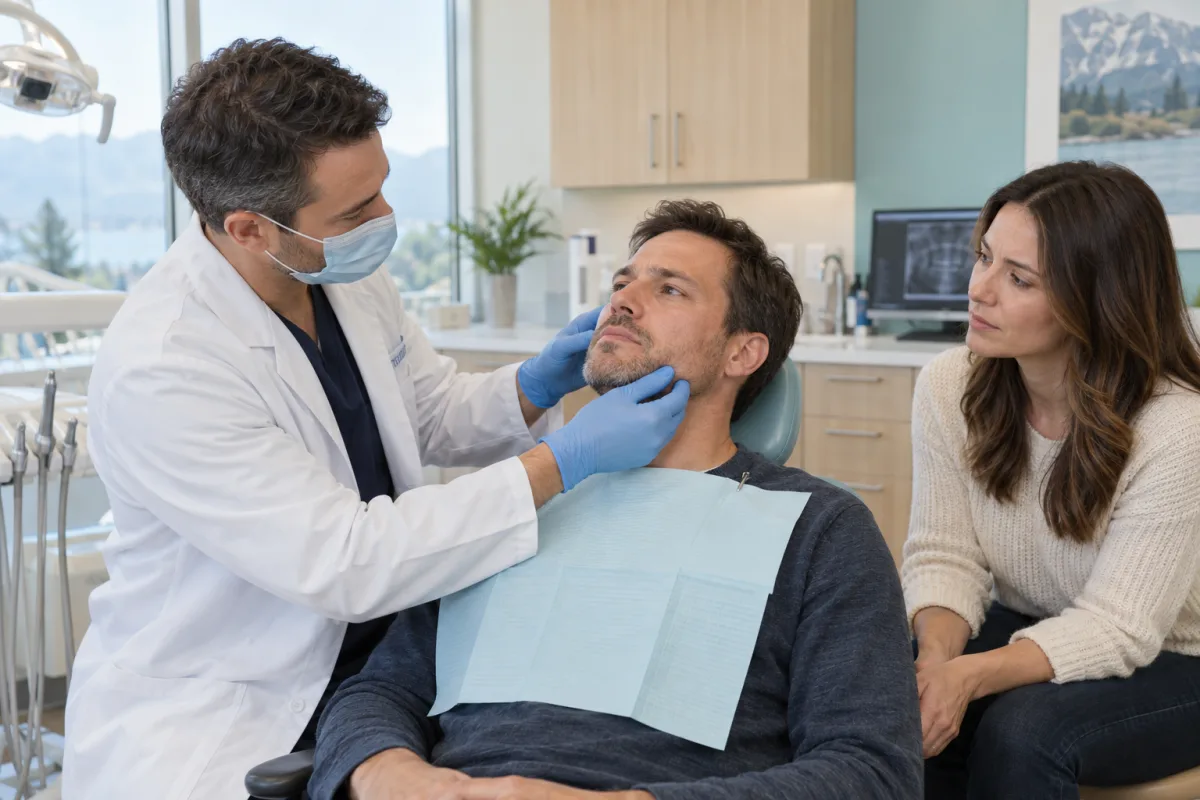
Assess the swelling
A tender tooth, a gum bump that may drain, mild cheek swelling and a bad taste suggest a localized infection. These still need prompt dental assessment. Note when swelling started, whether it is growing and whether you have fever. Take photos over time if helpful to show changes.
Swelling that spreads to the eye, under the jaw or down the neck, difficulty opening the mouth, trouble breathing or swallowing, a raised tongue or high fever are danger signs. Go to an emergency department or call 911. These situations need medical care that may include intravenous treatment and imaging.
Before your visit
A cold compress on the outside of the face for short periods may ease discomfort. Take over-the-counter pain relief as directed if it is safe for you. Keep your head elevated when resting and drink fluids. Rinsing gently with warm salt water may help if there is a draining gum bump.
Do not apply heat to the face, squeeze or cut a swelling, or put medication directly on the gum. Avoid chewing on the affected side. If you have leftover antibiotics at home, do not start them without advice; they may not be appropriate and can complicate later treatment.
Treating infection
The dentist examines the area, tests teeth and takes X-rays to locate the source of infection, which is often a tooth with a dying nerve or a deep gum pocket. Your medical history and current medicines are reviewed to plan safe treatment. The findings and options will be explained.
Treatment may include draining the infection, starting root canal therapy, cleaning a gum pocket or removing the tooth. Antibiotics may be prescribed in some cases, especially with spreading infection or fever, but usually alongside dental treatment rather than instead of it. Follow-up care is often required.
Recovery
Swelling and tenderness often improve over a few days after the source is treated. Take medicines exactly as prescribed. Call the office if swelling increases, fever develops or you feel more unwell. Any difficulty breathing or swallowing at any stage requires emergency medical care right away.
If root canal treatment was started, complete the remaining visits and any crown recommended. If a tooth was removed, discuss replacement options once healing is underway. Regular checkups and prompt attention to toothaches can help prevent future infections from reaching this stage.
Planning your appointment
If breathing and swallowing are normal, call our Port Dover office and describe the swelling, its location and how quickly it has changed. The team will advise on next steps.
Bring a list of medications and allergies, and mention any antibiotics or pain relief you have already taken.
Before you book
Have a question about your situation? Our team can help you plan a visit.
It can be. Most dental infections stay localized when treated promptly, but some spread. Swelling near the eye or neck, fever or trouble breathing or swallowing needs emergency care immediately.
Go to the hospital or call 911 for spreading swelling, difficulty breathing or swallowing or high fever. For limited swelling with normal breathing, call the dental office promptly for guidance.
Antibiotics may help control spread, but the source, such as an infected tooth, usually needs dental treatment. Without it, infection often returns once medication stops.
Use a cold compress for short periods on the outside of the face. Avoid heat, which may encourage infection to spread toward the surface or surrounding tissues.
Facial swelling should be assessed promptly. Call the office as soon as you notice it. If it worsens rapidly or affects breathing or swallowing, seek emergency medical care first.
Throbbing pain, a gum boil or a bad taste may signal a dental abscess. Lynedoch patients should call our Port Dover office promptly to discuss symptoms and next steps.
Dental pain, swelling or an accident rarely happens at a convenient time. Lynedoch residents can learn how to judge urgency and when to call our Port Dover office.
Recognized year after year
Best Dentists in Norfolk
Proudly recognized among Norfolk’s top-rated dental practices for six consecutive years.

2021 Winner

2022 Winner

2023 Winner

2024 Winner

2025 Winner

2026 Winner
Stories from our patients
Watch a patient’s experience and browse more five-star reviews from people who have visited our Port Dover dental clinic.
Patient video
A patient shares the welcoming atmosphere and positive experience they found at our Port Dover office.
Google reviews
Swipe or use the arrows
Read all reviewsYour next visit can start today
New patients and CDCP patients are welcome. Tell us how we can help and our Port Dover dental team will follow up with you.
Evening appointments Monday and Tuesday