
Patient video
Welcoming and Wonderful Practice
A patient shares the welcoming atmosphere and positive experience they found at our Port Dover office.
★★★★★

Port Dover Family Dentistry
When a tooth is badly broken or infected, urgent removal is sometimes the best option. Walsingham patients can learn how the decision is made and how to heal well afterwards.
Let’s get you smiling
Tell us how we can help. Our team will follow up to confirm a time.
Serving Walsingham households from our Port Dover office
See every dental service for WalsinghamWhen a tooth must come out soon
A tooth that is shattered, severely infected or extremely loose can cause intense pain and may not be repairable. In those cases, removing it promptly can relieve symptoms and stop infection from spreading. Even in an emergency, though, the dentist examines the tooth and considers whether saving it is realistic before recommending extraction.
Walsingham patients dealing with a painful, broken or infected tooth can call our Port Dover office to describe what is happening. The team will advise how soon you should be seen. At the appointment, the dentist will explain the findings, discuss alternatives and outline what removal and recovery would involve.
Deciding to remove
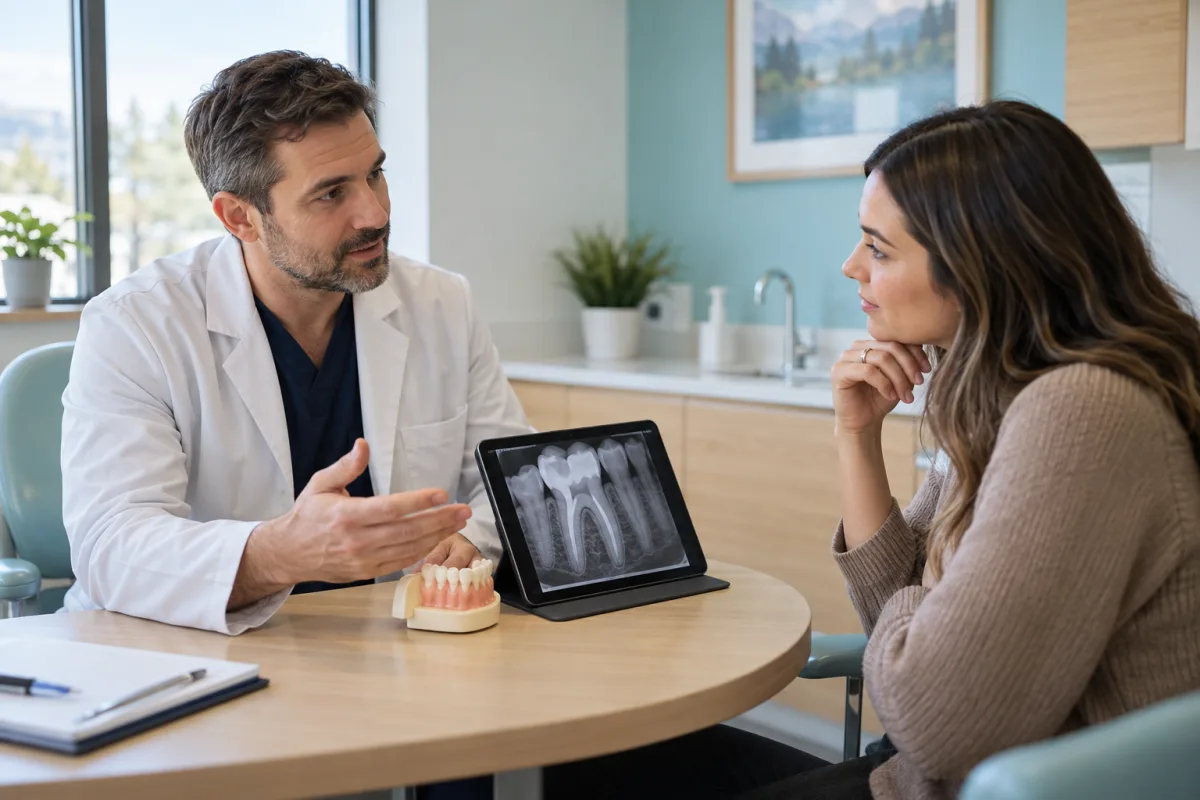
Extraction is often recommended when a tooth is broken below the gum, split through the root, has extensive decay or is very loose because of advanced gum disease. Infection that cannot be controlled with root canal treatment may also lead to removal. The dentist uses an exam and X-ray to determine whether the tooth is restorable.
Root canal treatment, a crown or gum therapy may save some teeth that seem hopeless at first. These options may involve more appointments and cost. Ask the dentist about the likely outcome of each option. Understanding the alternatives helps you choose confidently, even under time pressure.
Preparing
Tell the dentist about all medications, especially blood thinners, bone-strengthening drugs and supplements. Heart conditions, diabetes, bleeding disorders and previous radiation to the head or neck can affect treatment. Sometimes the dentist will consult your physician or adjust the plan before proceeding.
Active infection can make freezing less effective. In some situations, the dentist may drain the infection first or prescribe antibiotics before removing the tooth. They will explain the approach and what you can expect. Let the team know if you have had difficulty with freezing in the past.
The procedure
For a tooth that is visible and accessible, the dentist numbs the area, loosens the tooth gently and removes it. You will feel pressure but should not feel sharp pain. Gauze is placed to help a blood clot form, and you will receive instructions on caring for the area at home.
Teeth that are broken at the gumline, have curved roots or are impacted may require a surgical approach. This can involve a small incision in the gum, removing some bone or sectioning the tooth. Stitches may be needed. In some complex cases, referral to an oral surgeon may be recommended.
Recovery
Bite on gauze as directed, rest for the remainder of the day and avoid smoking, straws, vigorous rinsing and spitting for the recommended time. Eat soft foods and keep your head elevated. Some swelling and discomfort are normal. Call the office if bleeding persists, pain increases after a few days or you develop fever.
Once healing is underway, discuss whether to replace the missing tooth. A gap can affect chewing and allow neighbouring teeth to shift. Options include an implant, bridge or partial denture. The dentist can advise on timing and what would suit your mouth, health and budget.
Planning your appointment
Phone our Port Dover office to describe the tooth, the pain and any swelling or fever. The team will advise on urgency and let you know what appointment may be available for assessment.
Arrange for someone to drive you home if sedation might be used, and bring a complete list of medications and medical conditions.
Before you book
Have a question about your situation? Our team can help you plan a visit.
Often, yes, but sometimes infection needs to be reduced first or the area drained. The dentist will decide the safest approach based on your symptoms and the tooth involved.
Removing the source usually relieves the pain, though the area will be tender while it heals. Pain that worsens after a few days should be checked, as it may indicate dry socket or infection.
Not always. Some teeth, such as wisdom teeth, may not need replacing. For others, replacement can help chewing and prevent shifting. The dentist will discuss your options.
You can usually eat soft foods once the freezing wears off, chewing away from the extraction site. Avoid hard, crunchy or very hot foods for a few days.
The procedure itself is done under anaesthetic. Recovery may involve more swelling and discomfort than a simple extraction. The dentist will give you specific aftercare instructions.
Sometimes a tooth cannot be saved. Walsingham patients can learn why extractions are recommended, how removal is done in Port Dover and what healing and replacement involve.
An emergency dental exam focuses on finding the cause of sudden pain, swelling or damage. Walsingham patients can learn what it involves and what the visit may not include.
Recognized year after year
Best Dentists in Norfolk
Proudly recognized among Norfolk’s top-rated dental practices for six consecutive years.

2021 Winner

2022 Winner

2023 Winner

2024 Winner

2025 Winner

2026 Winner
Stories from our patients
Watch a patient’s experience and browse more five-star reviews from people who have visited our Port Dover dental clinic.
Patient video
A patient shares the welcoming atmosphere and positive experience they found at our Port Dover office.
Google reviews
Swipe or use the arrows
Read all reviewsYour next visit can start today
New patients and CDCP patients are welcome. Tell us how we can help and our Port Dover dental team will follow up with you.
Evening appointments Monday and Tuesday