
Patient video
Welcoming and Wonderful Practice
A patient shares the welcoming atmosphere and positive experience they found at our Port Dover office.
★★★★★
Port Dover Family Dentistry
A constantly dry mouth raises the risk of decay and sore gums. Glen Meyer residents can learn common causes, how dryness is assessed and ways to protect teeth.
Let’s get you smiling
Tell us how we can help. Our team will follow up to confirm a time.
Seeing patients from Glen Meyer and the surrounding countryside at our Port Dover office
Browse all dental services for Glen MeyerSaliva protects more than you think
Saliva rinses away food, neutralizes acids and helps repair early enamel damage. When the mouth stays dry, people may notice sticky saliva, difficulty swallowing dry foods, a burning tongue, cracked lips or bad breath. Over time, dry mouth can increase the risk of cavities, gum irritation and problems wearing dentures.
Many Glen Meyer residents take medications that list dry mouth as a side effect, and the effect can creep up gradually. Our Port Dover office can look for changes linked to dryness and suggest ways to protect your teeth, while noting when a conversation with your physician may help.
What causes it
Hundreds of medications can reduce saliva, including some used for blood pressure, allergies, depression, pain and bladder control. Taking several medications may increase the effect. Conditions such as diabetes and certain autoimmune disorders, as well as radiation treatment to the head and neck, can also affect the salivary glands. Ageing alone is not usually the main cause.
Breathing through the mouth at night, snoring, dehydration, caffeine, alcohol and tobacco can all contribute to dryness. Hot, dry indoor air in winter may make symptoms more noticeable. Paying attention to when your mouth feels driest, such as on waking or after certain drinks, can help identify contributing factors worth discussing with the dentist at your visit.
Assessment
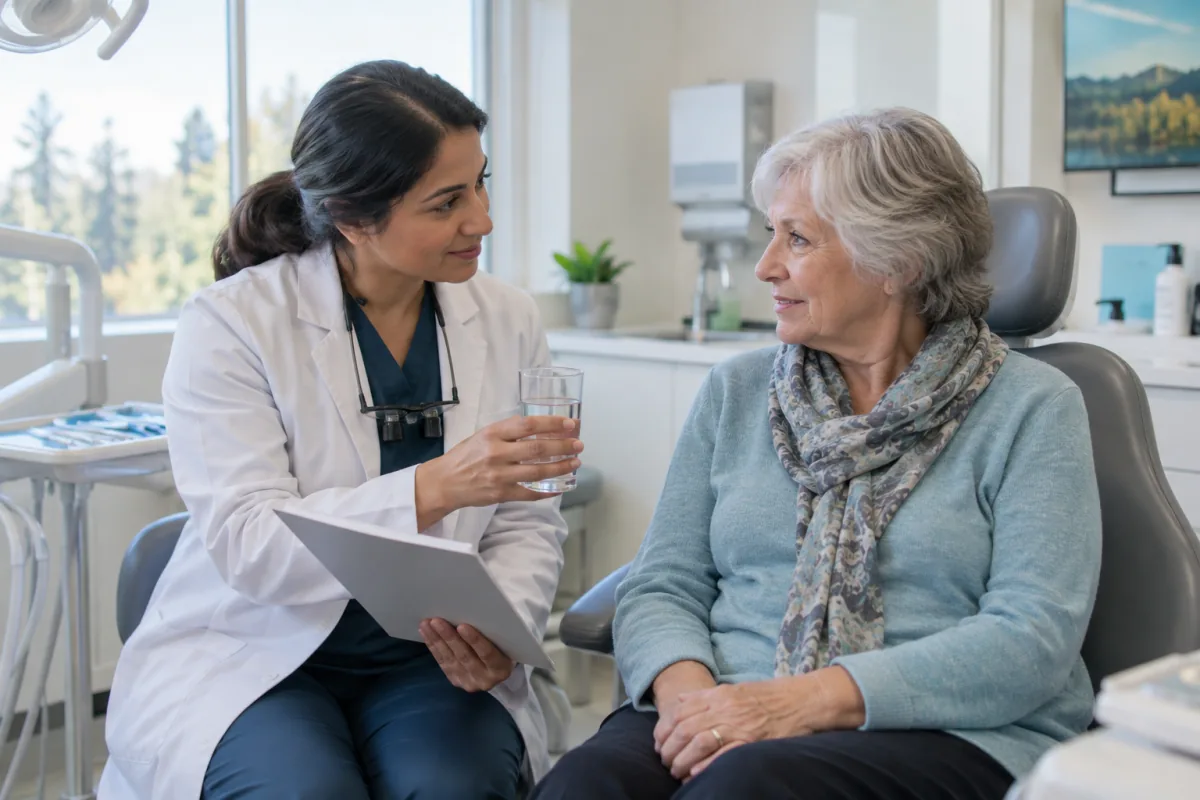
Bring a full list of medications, including over-the-counter products and supplements, and describe how long your mouth has felt dry. The dentist may ask about thirst, difficulty swallowing, changes in taste and how dryness affects eating or speaking. This history helps distinguish between temporary dryness and a more persistent problem that needs monitoring and a longer-term plan.
The dentist examines your teeth for new decay, especially near the gum line and around existing fillings, which is common when saliva is reduced. The tongue, cheeks and gums are checked for redness, cracks or signs of infection such as thrush. Denture wearers may notice sore spots more often, and the fit will be reviewed.
Managing dryness
Sipping water often, chewing sugar-free gum or using sugar-free lozenges may help stimulate saliva. Saliva substitutes and moisturizing gels can provide relief, especially at night. A humidifier in the bedroom may help during dry months. Avoid alcohol-based mouthwashes, which can worsen dryness, and limit caffeine and sugary drinks throughout the day. Different products suit different people, so some trial may be needed.
If a medication seems to be causing dry mouth, do not stop or change it on your own. Discuss your symptoms with your physician or pharmacist, who may be able to adjust the dose, timing or choice of medicine. The dental team can share their findings to support that conversation if it would be helpful to you.
Protecting your teeth
Brush twice a day with fluoride toothpaste and clean between teeth daily, since plaque causes more damage when saliva is reduced. The dentist may recommend a higher-strength fluoride toothpaste or professional fluoride treatments. Limit how often you snack on sugary or acidic foods, and rinse with water after meals when brushing is not possible, such as at work.
People with dry mouth may benefit from more frequent checkups and cleanings so that new decay and gum problems are caught early. Report any sores, burning sensations or changes in taste between visits. If you wear dentures, ask about adjustments or products that help them feel more comfortable on days when your mouth is particularly dry.
Planning your appointment
Call our Port Dover office and mention that you are experiencing dry mouth. Describe how long it has lasted and any related symptoms, so the team can arrange an appropriate exam.
Bring an up-to-date list of all medications and supplements you take, as well as any saliva products you have already tried.
Before you book
Have a question about your situation? Our team can help you plan a visit.
Not necessarily. Older adults are more likely to take medications that cause dryness, but ageing alone does not usually cause dry mouth. If you notice persistent dryness, it is worth discussing with your dentist and physician to look for the cause.
Yes. Saliva helps protect teeth from acid and bacteria. When saliva is reduced, cavities can form more easily, especially near the gum line and around fillings. Extra fluoride and careful cleaning help reduce this risk.
Sipping water can provide temporary relief and help prevent dehydration, but it may not resolve the underlying cause. Saliva substitutes, gum and changes recommended by your doctor may also be needed depending on why your mouth is dry.
No. Do not stop or change prescribed medication without speaking to your physician or pharmacist. They may be able to suggest alternatives or adjustments. The dentist can help manage the effects on your teeth in the meantime.
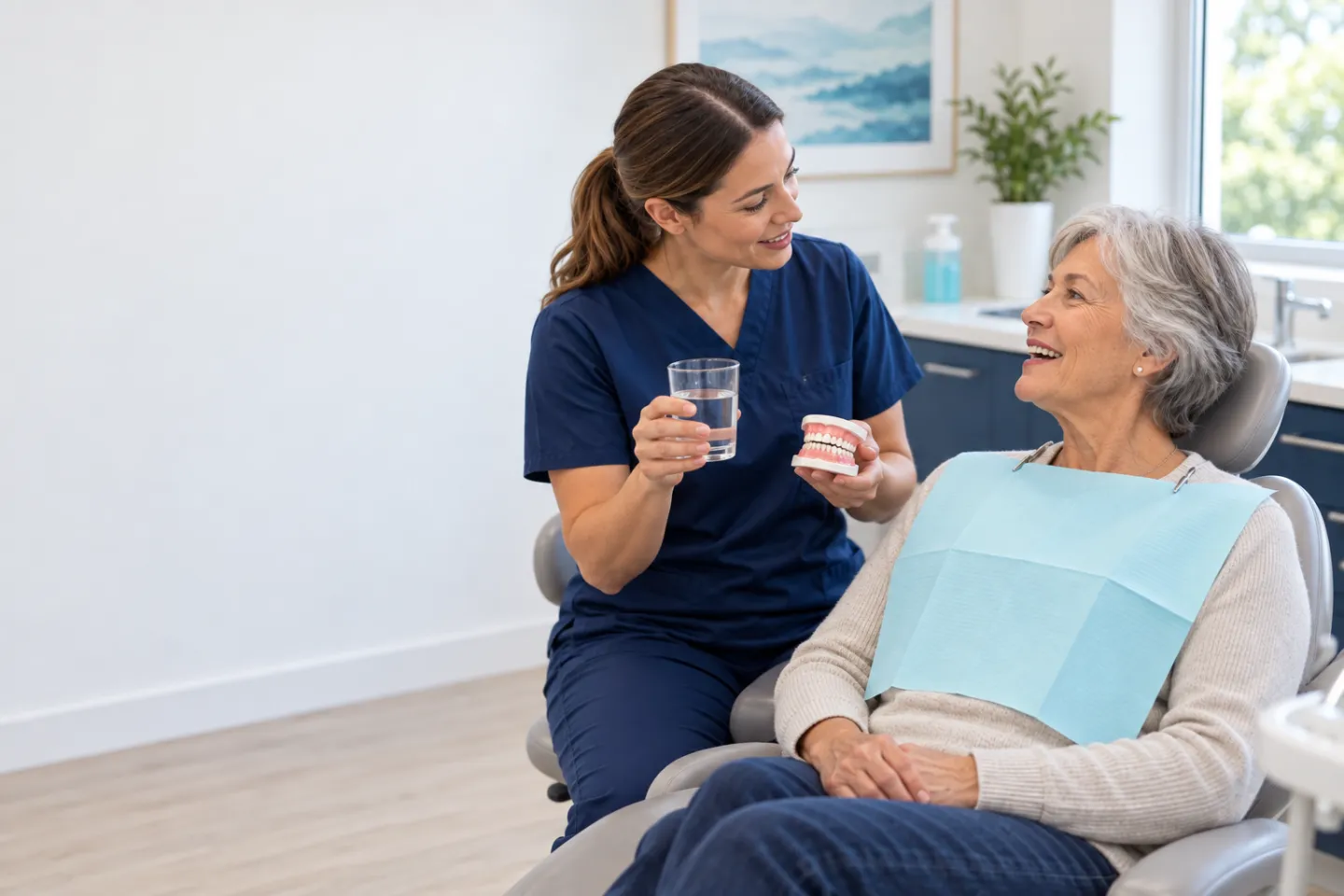
Yes. Saliva helps dentures stay in place and reduces friction. A dry mouth can make dentures feel loose or cause sore spots. Let the dentist know so they can check the fit and suggest ways to improve comfort.
Prevention combines professional cleanings with habits you can keep at home. Glen Meyer patients can learn what a hygiene visit covers and how to cut risk.
Ageing brings new dental concerns such as dry mouth, root decay and denture fit. Glen Meyer seniors and families can learn how care adapts and what to watch.
Recognized year after year
Best Dentists in Norfolk
Proudly recognized among Norfolk’s top-rated dental practices for six consecutive years.

2021 Winner

2022 Winner

2023 Winner

2024 Winner

2025 Winner

2026 Winner
Stories from our patients
Watch a patient’s experience and browse more five-star reviews from people who have visited our Port Dover dental clinic.
Patient video
A patient shares the welcoming atmosphere and positive experience they found at our Port Dover office.
Google reviews
Swipe or use the arrows
Read all reviewsYour next visit can start today
New patients and CDCP patients are welcome. Tell us how we can help and our Port Dover dental team will follow up with you.
Evening appointments Monday and Tuesday