
Patient video
Welcoming and Wonderful Practice
A patient shares the welcoming atmosphere and positive experience they found at our Port Dover office.
★★★★★
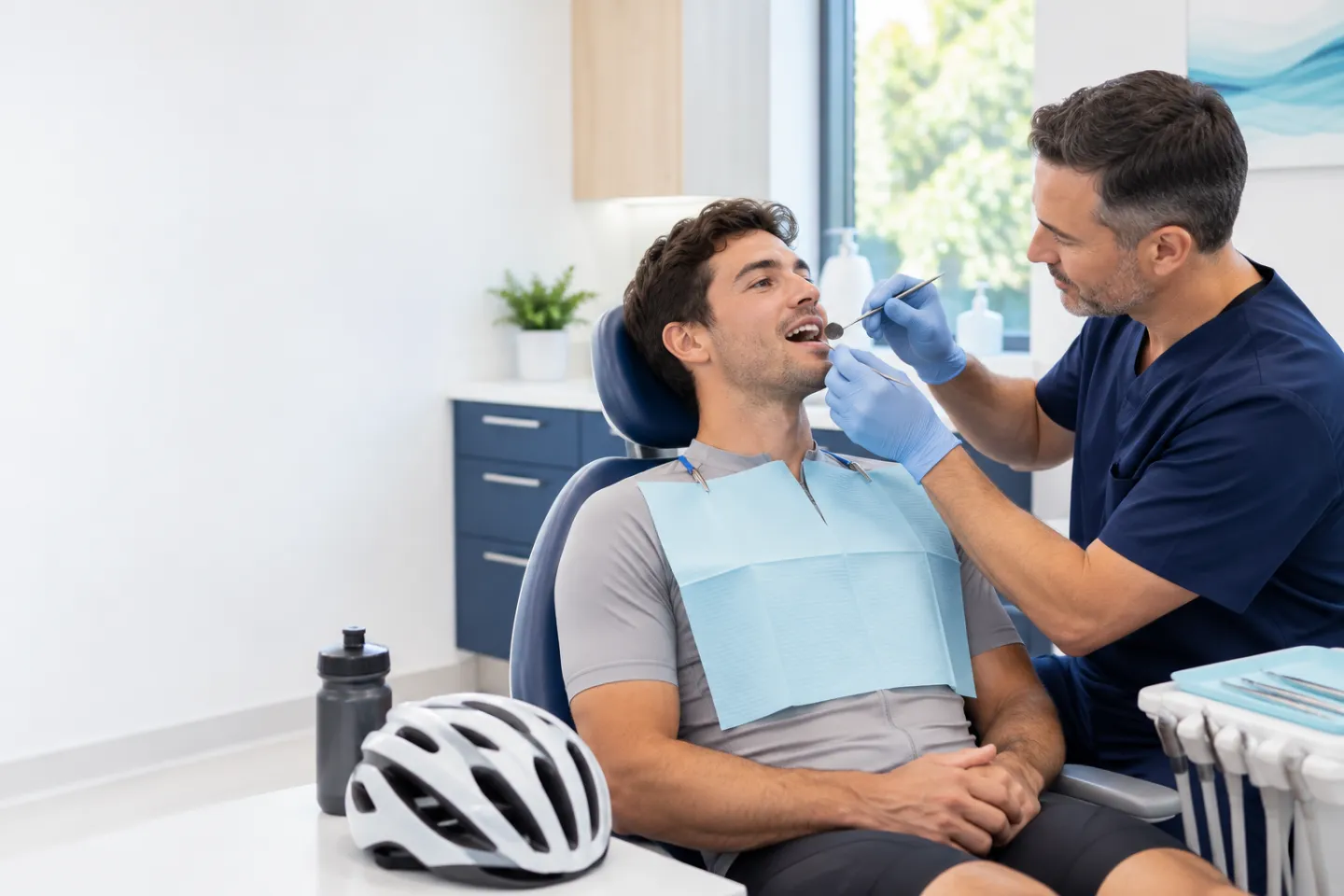
Port Dover Family Dentistry
Falls, collisions and water-sport bumps can injure teeth. Turkey Point patients can learn what to do first and how injuries are assessed at our Port Dover office.
Let’s get you smiling
Tell us how we can help. Our team will follow up to confirm a time.
Caring for Turkey Point patients at our Port Dover office
See every dental service for Turkey PointAfter a blow to the mouth
Dental injuries happen during sports, slips on wet surfaces, bike rides, playground falls and the odd mishap on a boat or dock. Teeth can chip, crack, loosen, shift position or be knocked out entirely, and the lips and gums are often cut. Some damage is obvious, while other injuries only show their effects weeks later.
If an injury happens while you are in Turkey Point, call our Port Dover office for guidance as soon as any medical emergency has been ruled out. Describe what happened, which teeth are affected and how the person is feeling.
First priorities
Check for signs of head injury such as confusion, vomiting, drowsiness or loss of consciousness, and for bleeding that will not stop with pressure. Any difficulty breathing or swallowing requires emergency medical care. Call 911 or go to the nearest emergency department in those situations, and seek dental advice afterward.
Rinse gently with clean water and apply light pressure with gauze or a clean cloth to bleeding gums or lips. A cold compress can reduce swelling. Collect any broken tooth pieces. If an adult tooth has been knocked out, handle it by the crown, not the root, and contact a dentist immediately for instructions.
Types of injuries
A chip or break may be minor or may expose sensitive inner layers. Pink or red spots in a broken tooth can indicate the nerve is exposed. Save any fragments in milk or water. These injuries should be assessed promptly to protect the tooth and reduce sensitivity, even if pain seems manageable.
Teeth that are loose, pushed in, out or sideways may need repositioning and stabilizing. A knocked-out adult tooth is time-sensitive and needs immediate attention. Baby teeth that are knocked out should not be put back in. In all of these situations, call the dental office as soon as you can.
Assessment and care
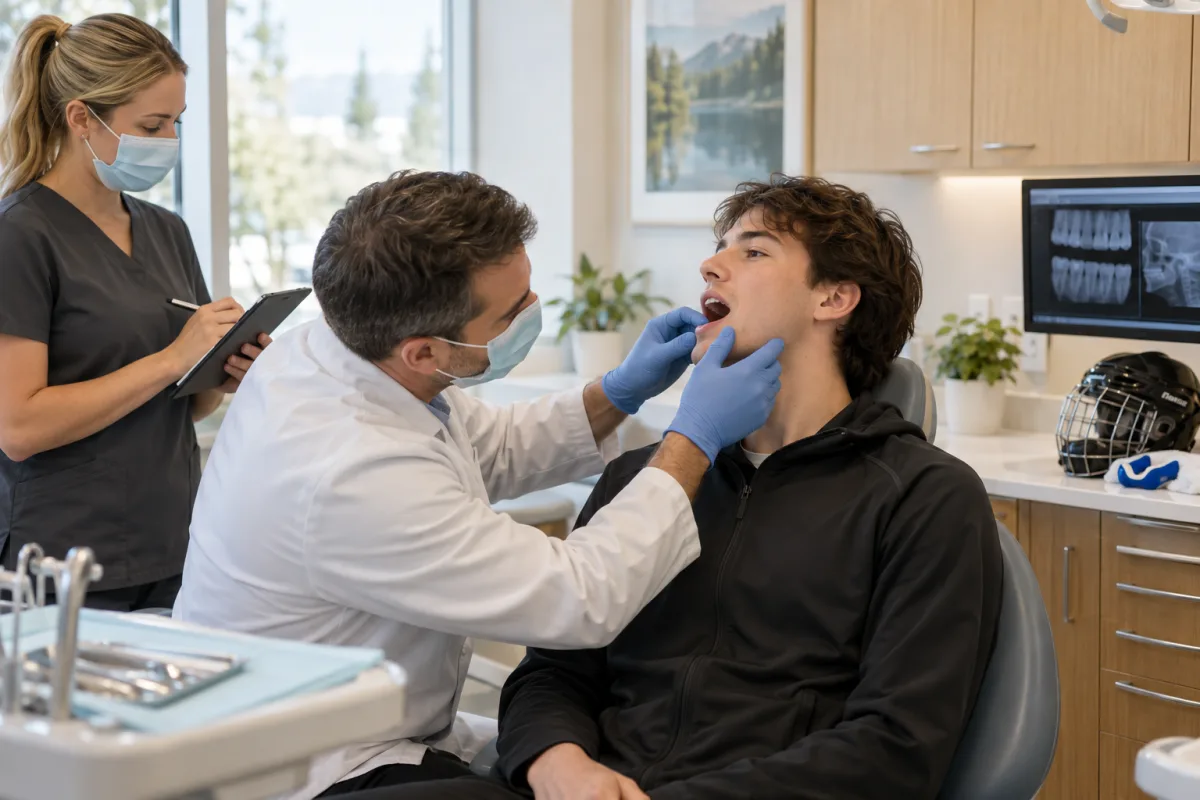
The dentist examines teeth, gums, lips and jaw, checks how teeth fit together and may test tooth sensitivity. X-rays help reveal root fractures, displaced teeth and bone injury. Bring details of how the injury occurred, since the type and direction of impact can influence what the dentist looks for.
Treatment may involve repositioning a shifted tooth, splinting loose teeth to neighbours, bonding a chipped edge or protecting an exposed nerve. Cuts to the lips or gums may need attention. The dentist will explain what was done and what might be needed later, such as root canal treatment if the nerve is affected.
Monitoring recovery
Some effects of trauma appear later, including discolouration, sensitivity, abscess or root changes. Follow-up visits allow the dentist to test the tooth and take X-rays to monitor healing. Contact the office if you notice swelling, pain or a tooth turning darker. Seasonal visitors should plan how these checks will continue when they head home.
Mouthguards reduce the risk of injury in many sports and activities. Children and adults who play contact sports, skate or cycle may benefit from wearing one. If an injury was caused by a fall at home or cottage, consider whether simple safety changes could help avoid another.
Planning your appointment
Once any medical emergency is managed, phone our Port Dover office to describe the injury. The team will advise how quickly you should be seen and what to bring.
Bring any tooth fragments or a knocked-out tooth stored in milk. Note the time of the injury if you can.
Before you book
Have a question about your situation? Our team can help you plan a visit.
Go to the hospital or call 911 for head injury, uncontrolled bleeding, or breathing or swallowing difficulty. For injuries limited to the teeth and gums, contact the dental office promptly.
Handle it by the crown, rinse briefly if dirty, and keep it moist in milk or saliva. Contact a dentist immediately. Do not scrub the root or let it dry out.
Mildly loose teeth sometimes settle, but they should be assessed. The dentist may recommend a splint or monitoring depending on the injury.
Injuries can affect the nerve or root over time without obvious symptoms. Follow-up exams and X-rays help catch these changes early.
No. Replanting a baby tooth can damage the developing adult tooth. Contact the dental office for advice and have the child examined.
A knocked-out adult tooth is time-sensitive. Turkey Point patients can learn how to handle and store the tooth and why to call our Port Dover office right away.
Chipped a tooth on the beach or at the cottage? Learn what to save, how to protect the tooth and when Turkey Point patients should call our Port Dover office.
Recognized year after year
Best Dentists in Norfolk
Proudly recognized among Norfolk’s top-rated dental practices for six consecutive years.

2021 Winner

2022 Winner

2023 Winner

2024 Winner

2025 Winner

2026 Winner
Stories from our patients
Watch a patient’s experience and browse more five-star reviews from people who have visited our Port Dover dental clinic.
Patient video
A patient shares the welcoming atmosphere and positive experience they found at our Port Dover office.
Google reviews
Swipe or use the arrows
Read all reviewsYour next visit can start today
New patients and CDCP patients are welcome. Tell us how we can help and our Port Dover dental team will follow up with you.
Evening appointments Monday and Tuesday