
Patient video
Welcoming and Wonderful Practice
A patient shares the welcoming atmosphere and positive experience they found at our Port Dover office.
★★★★★
Port Dover Family Dentistry
A fall, collision or sports knock can injure teeth and gums. Normandale residents can learn what to do first and how our Port Dover team assesses dental trauma.
Let’s get you smiling
Tell us how we can help. Our team will follow up to confirm a time.
Caring for Normandale residents and seasonal visitors at our Port Dover office
See every dental service for NormandaleAfter an injury
Dental trauma covers a range of injuries: chipped or fractured teeth, teeth pushed out of position, loosened teeth, knocked-out teeth and cuts to the lips, gums or tongue. Falls, sports, bike accidents and collisions are common causes. Some injuries look dramatic but heal well, while others appear small yet affect the nerve or root.
If a dental injury happens in Normandale, whether at home, on the beach or during an outdoor activity, call our Port Dover office for advice once any medical emergency has been addressed. The team can help you judge urgency and prepare for the visit.
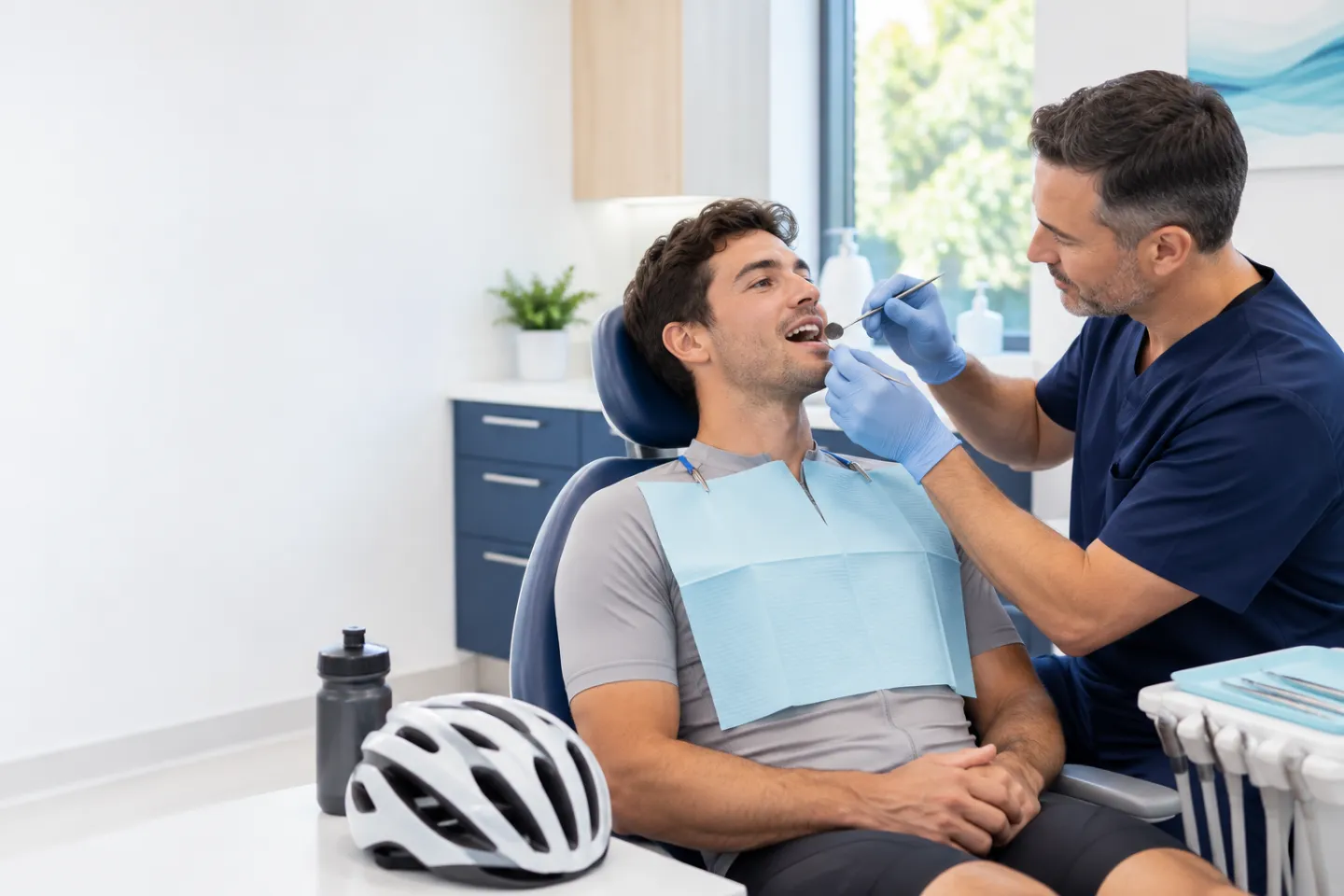
Immediate steps
Look for signs of head injury such as confusion, vomiting, severe headache or loss of consciousness, and seek emergency medical care if any are present. Control bleeding with gentle pressure using clean gauze or cloth. If breathing is affected or bleeding will not stop, call 911.
Once medically safe, rinse the mouth gently with water and look for broken, loose or missing teeth. Keep any fragments. If a permanent tooth has been knocked out, handle it by the crown, not the root, and seek dental advice immediately. Apply a cold compress to reduce swelling.
Types of injury
Chips confined to enamel may need smoothing or bonding, while deeper fractures can expose the inner tooth and need faster care. A visible pink or red spot can indicate nerve exposure. Even if there is no pain, a fractured tooth should be examined to check for hidden cracks or root damage.
Teeth pushed in, out or sideways, or those that feel loose, may need repositioning and splinting. A knocked-out permanent tooth has the best outlook if replanted quickly or kept moist in milk or saliva on the way to care. Baby teeth that are knocked out should not be replanted.
Assessment
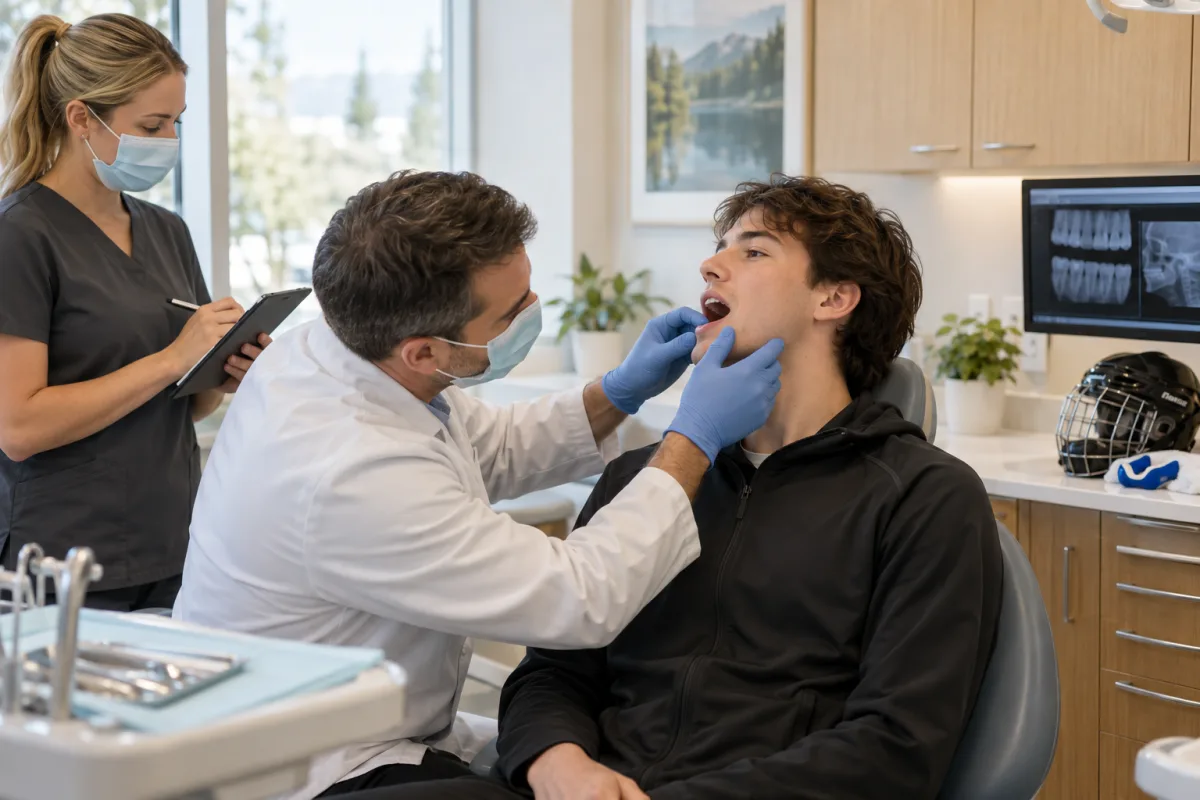
The dentist examines the injured teeth, gums and lips, checks how teeth come together and tests sensitivity. X-rays help reveal root fractures, bone damage or changes in tooth position. Information about how and when the injury happened helps guide decisions about treatment and urgency.
Immediate care might involve repositioning teeth, splinting, repairing fractures or stitching soft tissue cuts. You will be told what to expect over the coming weeks. In some cases, referral to a specialist or hospital-based care is recommended for complex injuries.
Monitoring
Traumatized teeth may darken, become sensitive or develop infection over time if the nerve was damaged. Follow-up appointments with x-rays help catch these changes. Contact the office if you notice discolouration, swelling, a gum bump or increasing pain around an injured tooth.
For sports, a properly fitted mouthguard can reduce the risk of dental injuries. Childproofing at home, helmets for cycling and caution on slippery surfaces also help. If an injury occurred because of a specific activity, consider what protective steps might prevent a repeat.
Planning your appointment
After medical concerns are handled, call our Port Dover office and describe the injury. Mention which teeth are affected, whether any are missing or loose and when the injury happened.
Bring any tooth fragments or a knocked-out tooth stored in milk or saliva, along with a medication list.
Before you book
Have a question about your situation? Our team can help you plan a visit.
Hold it by the crown, rinse briefly if dirty, and try to place it back in the socket or keep it in milk or saliva. Seek dental advice immediately, as time affects the outcome.
No. Replanting a baby tooth can damage the developing adult tooth. Call the office for guidance and keep the child comfortable.
Yes. Injuries can damage roots or nerves without obvious signs. An examination and x-rays can identify hidden problems and set a baseline for follow-up.
Discolouration can indicate the nerve has been affected. It does not always mean the tooth is lost, but it should be assessed. The dentist may recommend tests or treatment.
Go to emergency for head injury, heavy bleeding, breathing difficulty or a suspected jaw fracture. For dental injuries alone, contact the office for advice on next steps.
A knocked-out adult tooth needs fast action. Normandale residents can learn how to handle, store and replant the tooth and when to call our Port Dover office.
Chipped or broke a tooth in Normandale? Learn what to save, what to watch for and how our Port Dover team assesses the damage before suggesting a repair.
Recognized year after year
Best Dentists in Norfolk
Proudly recognized among Norfolk’s top-rated dental practices for six consecutive years.

2021 Winner

2022 Winner

2023 Winner

2024 Winner

2025 Winner

2026 Winner
Stories from our patients
Watch a patient’s experience and browse more five-star reviews from people who have visited our Port Dover dental clinic.
Patient video
A patient shares the welcoming atmosphere and positive experience they found at our Port Dover office.
Google reviews
Swipe or use the arrows
Read all reviewsYour next visit can start today
New patients and CDCP patients are welcome. Tell us how we can help and our Port Dover dental team will follow up with you.
Evening appointments Monday and Tuesday