
Patient video
Welcoming and Wonderful Practice
A patient shares the welcoming atmosphere and positive experience they found at our Port Dover office.
★★★★★
Port Dover Family Dentistry
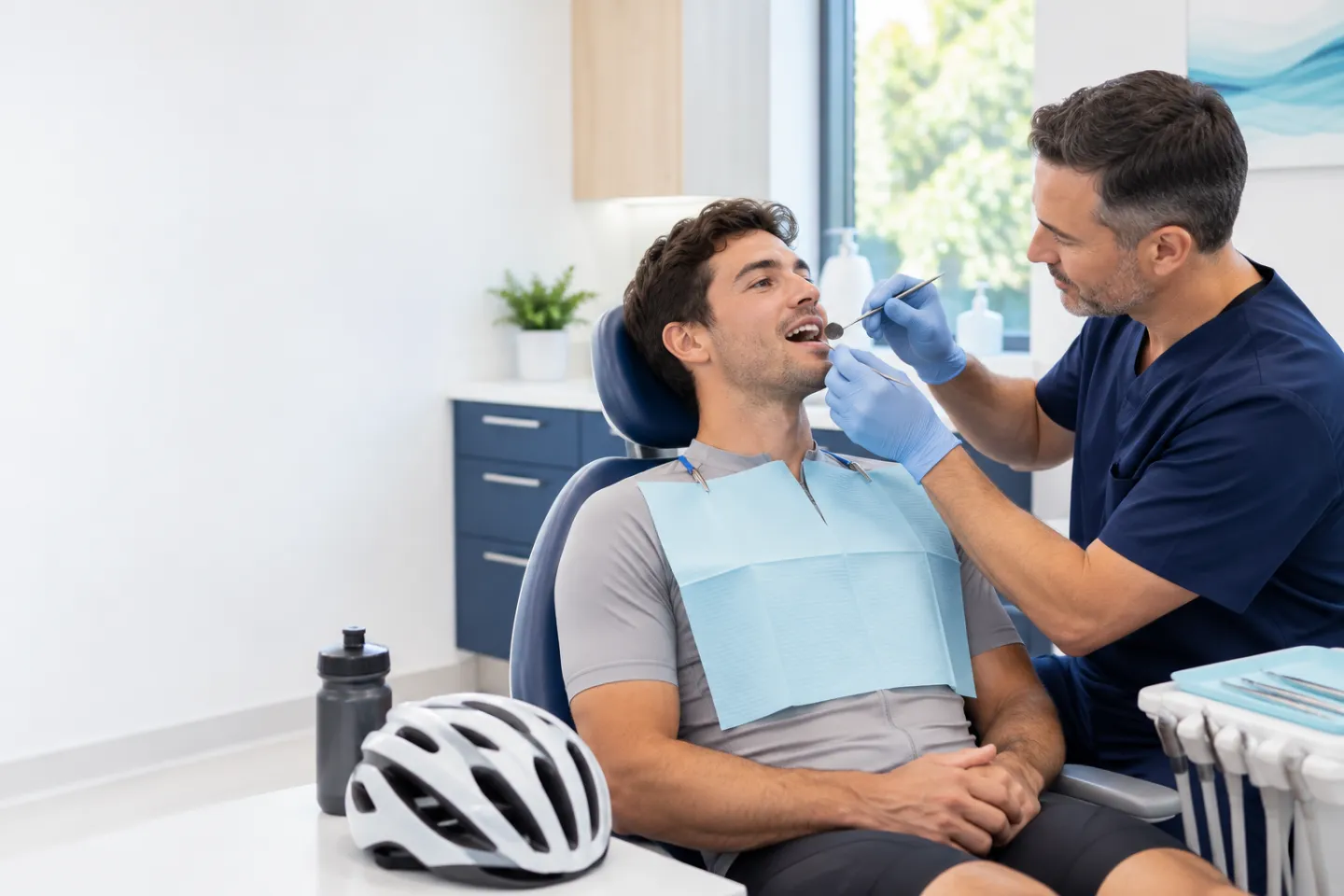
A fall, collision or sports hit can loosen, crack or move teeth. Jarvis patients should check for serious injury first, then call our Port Dover office for dental advice.
Let’s get you smiling
Tell us how we can help. Our team will follow up to confirm a time.
Seeing Jarvis patients at our Port Dover office
Every dental service for Jarvis patientsAfter an injury to the mouth
Injuries to the mouth happen during sports, falls, workplace accidents and vehicle collisions. Teeth can be chipped, cracked, pushed out of position, loosened or knocked out completely. The lips, gums and tongue may also be cut. Because some injuries are more time-sensitive than others, knowing what to do in the first hour helps.
When an injury happens in or around Jarvis and you are medically stable, call our Port Dover office to describe the damage. The team can advise on immediate steps and how urgently you should come in.
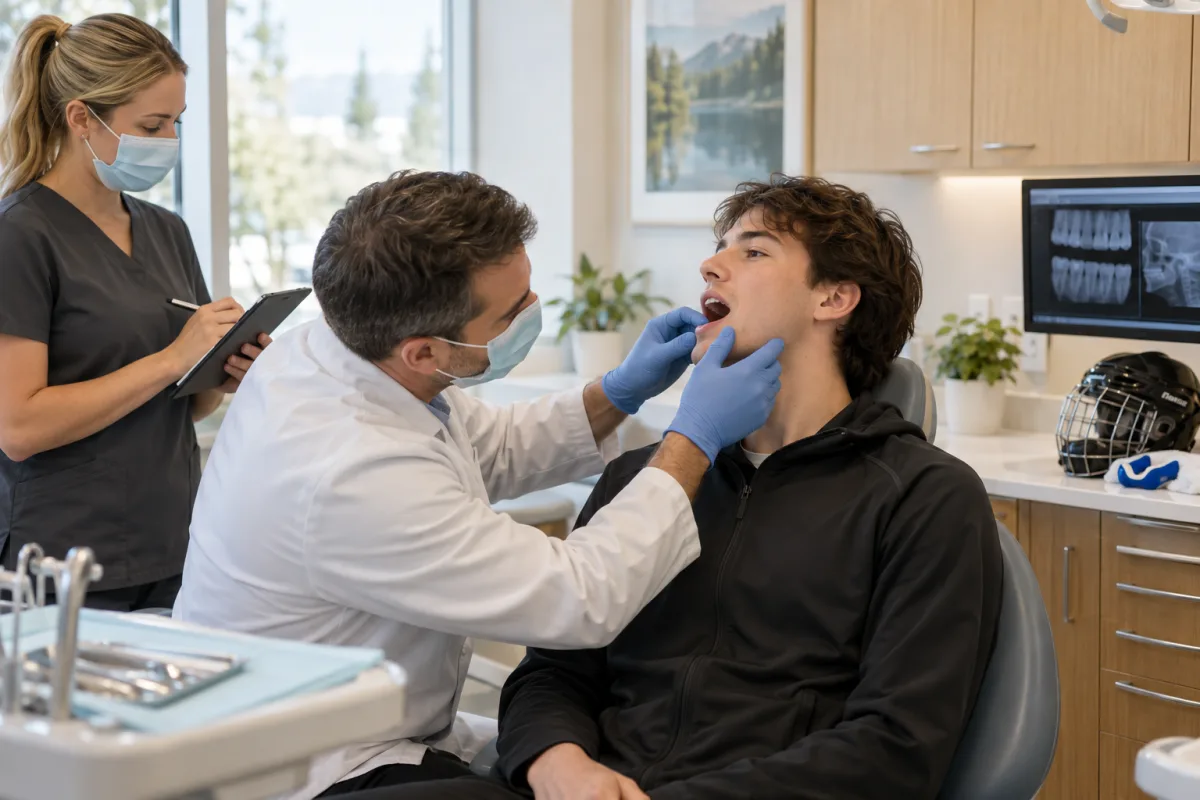
First response
Look for signs of head injury, such as confusion, vomiting, severe headache or loss of consciousness, and check whether the jaw moves normally. If any of these are present, or there is difficulty breathing, go to emergency care immediately. Dental treatment can follow once more serious injuries have been ruled out.
Rinse gently with water and apply firm pressure with clean gauze to bleeding areas. Use a cold compress outside the mouth to reduce swelling. Save any tooth or fragments. If an adult tooth is knocked out, hold it by the crown, keep it moist in milk and call the office right away.
Types of injury
A chipped or cracked tooth may be sharp or sensitive. A fracture exposing a pink or red spot may involve the nerve and needs prompt attention. Save fragments in water or milk. Cover sharp edges with wax or sugar-free gum to protect your tongue and cheeks until you are seen.
Teeth pushed forward, backward, upward or sideways, or teeth that feel loose, need assessment soon. Do not try to force them back into place unless instructed. Avoid chewing on them. Baby teeth injuries are handled differently from adult teeth, so tell the team the age of the injured person.
Assessment and repair
The dentist examines teeth, gums, soft tissues and bite and usually takes X-rays to check roots and surrounding bone. Some injuries are not obvious at first. Tests may be done to assess whether the nerve has been affected. The dentist will explain what was found and how serious it appears.
Depending on the injury, treatment may include smoothing or bonding chips, repositioning and splinting loose or displaced teeth, root canal treatment if the nerve is damaged, or stitches for soft tissue cuts. Some teeth cannot be saved. The dentist will discuss the options and what to expect.
Follow-up
Eat soft foods, avoid biting with the injured teeth and keep the area clean with gentle brushing and rinsing as instructed. Use pain relief as advised. Call the office if you notice increasing pain, swelling, fever or a tooth that becomes looser or darker in colour.
Traumatized teeth can develop problems weeks or months later, such as nerve damage or root changes. Follow-up visits and X-rays are often recommended. Keep these appointments even if the tooth feels fine. For contact sports, consider a custom mouthguard to reduce future risk.
Planning your appointment
Once medical concerns are addressed, phone our Port Dover office and explain how the injury happened and what you can see. The team will advise on timing and availability.
Bring any tooth or fragments in milk, and note the time of the injury, which can help guide treatment.
Before you book
Have a question about your situation? Our team can help you plan a visit.
Go to emergency care first for head injuries, jaw fractures, heavy bleeding or breathing or swallowing problems. For injuries limited to the teeth and gums, call the dental office for advice.
Do not force it. Call the office promptly for instructions. Displaced teeth often need to be repositioned and stabilized by a dentist, and timing can influence the outcome.
Slightly loose teeth sometimes firm up, but they still need assessment. The dentist may recommend a soft diet, a splint or monitoring. Follow-up visits check for nerve or root changes.
Discolouration after trauma can indicate that the nerve has been affected. Contact the office for an assessment. Root canal treatment or other care may be recommended.
Yes. Baby teeth are usually not replanted, and treatment considers the developing adult teeth underneath. Tell the team the child’s age and which teeth were injured.
A knocked-out adult tooth needs action within minutes. Jarvis patients can follow these steps to protect the tooth and call our Port Dover office right away.
Chipped a tooth in Jarvis? Save any fragment, protect the area and call our Port Dover office to discuss how soon the damage should be assessed and repaired.
Recognized year after year
Best Dentists in Norfolk
Proudly recognized among Norfolk’s top-rated dental practices for six consecutive years.

2021 Winner

2022 Winner

2023 Winner

2024 Winner

2025 Winner

2026 Winner
Stories from our patients
Watch a patient’s experience and browse more five-star reviews from people who have visited our Port Dover dental clinic.
Patient video
A patient shares the welcoming atmosphere and positive experience they found at our Port Dover office.
Google reviews
Swipe or use the arrows
Read all reviewsYour next visit can start today
New patients and CDCP patients are welcome. Tell us how we can help and our Port Dover dental team will follow up with you.
Evening appointments Monday and Tuesday