
Patient video
Welcoming and Wonderful Practice
A patient shares the welcoming atmosphere and positive experience they found at our Port Dover office.
★★★★★
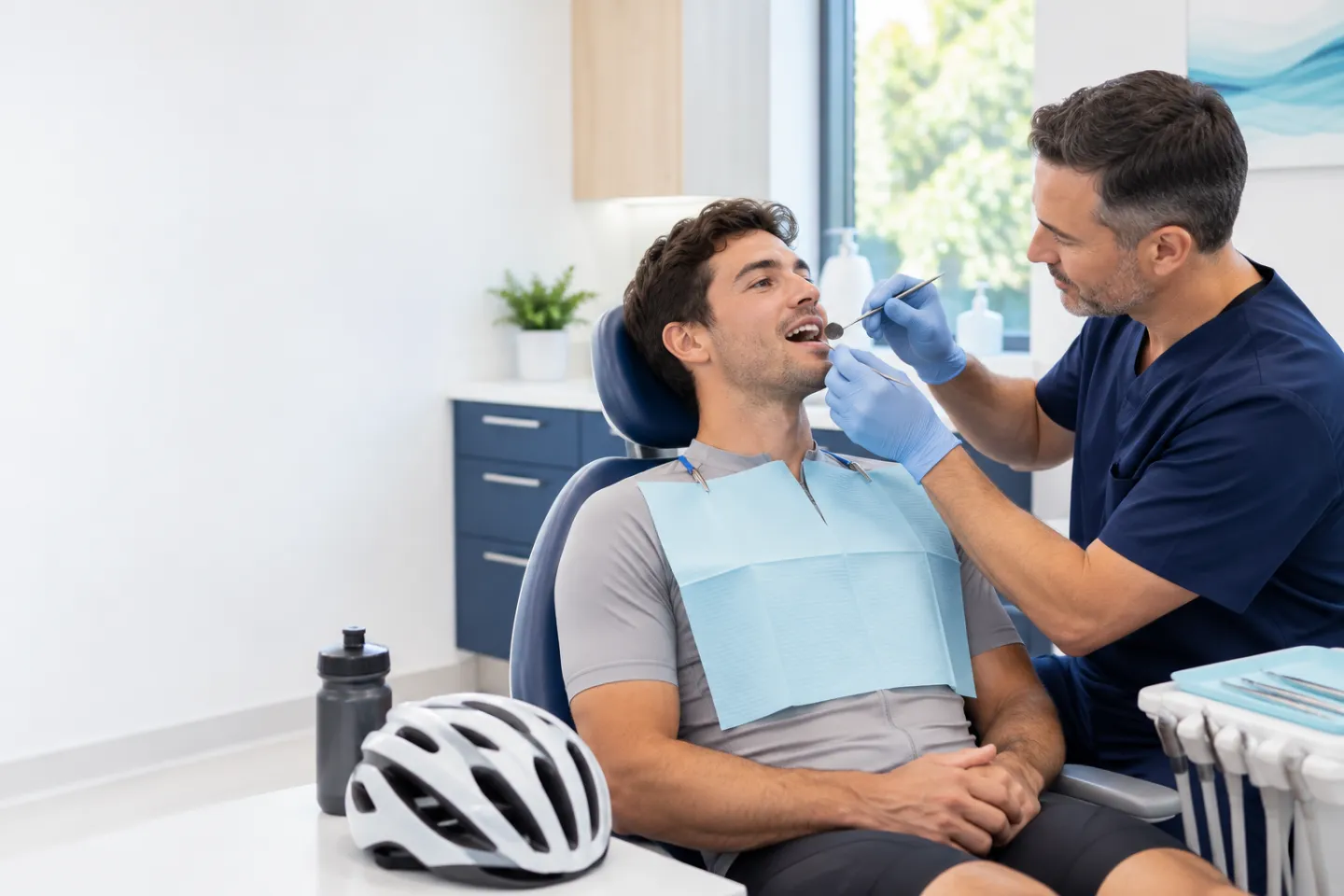
Port Dover Family Dentistry
Falls, sports and accidents can loosen, push or break teeth. Hillcrest patients can learn first steps and how our Port Dover office assesses dental injuries.
Let’s get you smiling
Tell us how we can help. Our team will follow up to confirm a time.
Hillcrest patients are seen at our Port Dover office
Browse every service for HillcrestAfter a knock to the mouth
A blow to the face can chip or fracture teeth, push them into new positions, loosen them or knock them out entirely, and the lips, gums and tongue may be cut at the same time. Some injuries look minor at first but affect the root or nerve, which may only become obvious weeks later. Timely assessment helps protect injured teeth and catch hidden problems early.
If someone in Hillcrest has injured their teeth, call our Port Dover office to describe what happened. Once any medical concerns have been dealt with, the team can advise you on how urgent the dental injury is, what to do in the meantime and when to come in for an assessment.
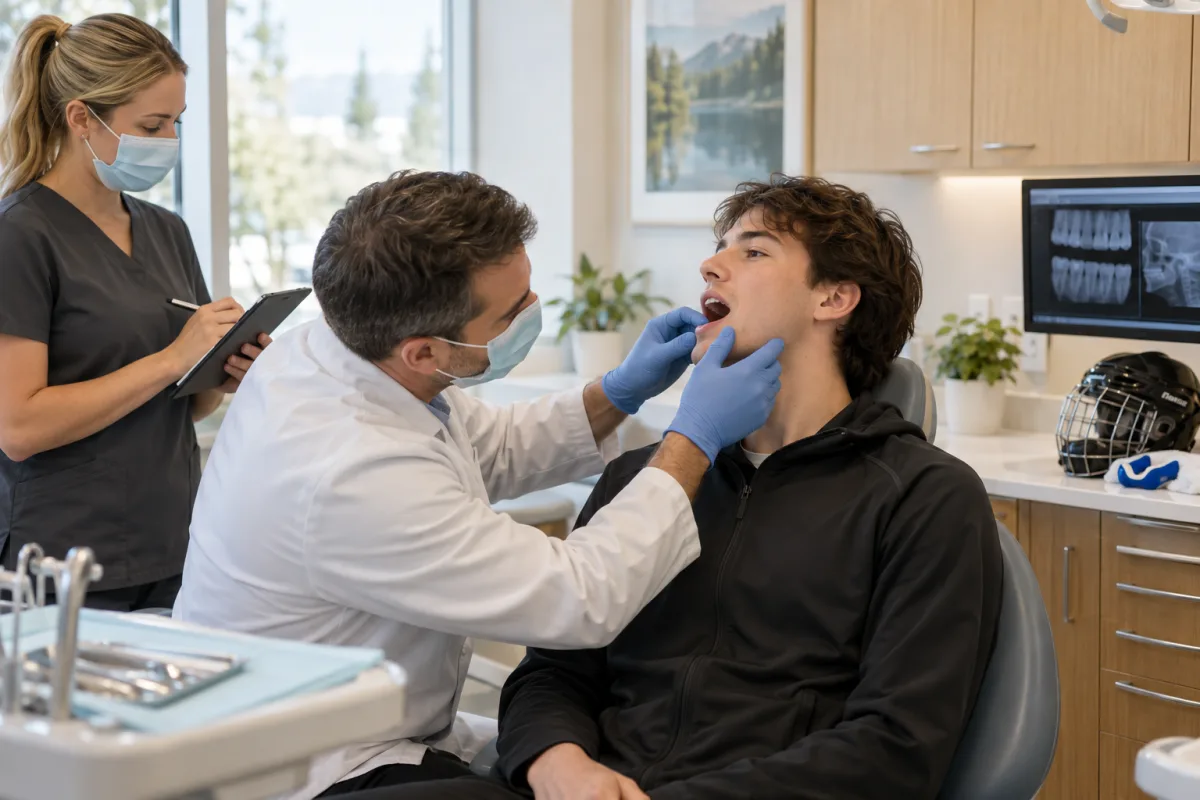
First response
Look for signs of a head injury, such as confusion, vomiting, unusual drowsiness or loss of consciousness, and seek emergency medical care if any are present. Make sure breathing is not affected. Heavy bleeding from the mouth or face also needs urgent medical attention. Dental care can safely follow once the person is medically stable and has been checked.
Rinse the mouth gently with water, press clean gauze on any bleeding areas and hold a cold compress against the outside of the face to limit swelling. Collect any broken tooth pieces you can find. If a permanent tooth has been knocked out, follow the guidance for keeping it moist and seek dental care immediately, since timing strongly affects the outcome.
Types of injury
Fractures range from small enamel chips to breaks that expose the nerve, which may show as a pink or red spot in the centre of the tooth. An exposed nerve needs prompt attention to reduce the risk of infection. Even small chips should be checked, because the force of the blow may also have affected the root or the bone around it.
Teeth that are loose, or that have been pushed inward, outward or up into the gum, may need to be repositioned and held with a splint while they heal. Do not try to force a tooth back into place yourself. The dentist will assess the injury, take X-rays and explain the treatment and the follow-up schedule that will be needed.
Assessment
The dentist checks the injured teeth, gums, lips and bite, and tests nearby teeth for sensitivity and movement. X-rays help reveal root fractures, damage to the bone and the exact position of displaced teeth. Bring information about how and when the injury happened, since these details can change both the outlook and the approach to treatment.
Treatment may include smoothing or bonding a chip, repositioning and splinting teeth, protecting an exposed nerve or beginning root canal treatment. Some injuries need monitoring for months, because nerve damage can appear later. Ask about the follow-up schedule and the warning signs to watch for at home, so you know when to call before your next visit.
Recovery
Eat soft foods, avoid biting with the injured teeth and keep the area clean with gentle brushing and any rinse that has been recommended. If a splint has been placed, follow the instructions for caring for it carefully. Use pain relief as directed. For children, ask whether sports should be paused and when it will be safe to return to play.
Injured teeth can darken, become sensitive or develop an infection weeks or months after the accident. Report any change in colour, new pain, swelling or a pimple on the gum. Attend review appointments even if everything feels fine. Long-term monitoring helps catch these problems early, when they are usually simpler and less costly to treat.
Planning your appointment
Call our Port Dover office to describe the injury and any symptoms. The team will help judge the urgency and arrange an appropriate appointment once any emergency medical needs have been addressed, and will tell you what to bring.
Bring any tooth fragments, a list of medications and details of how the injury happened, including the time it occurred.
Before you book
Have a question about your situation? Our team can help you plan a visit.
Yes. A tooth that feels loose after an injury may have damage to its root or the tissues that hold it in place. The dentist can assess it, take X-rays if needed and advise whether it needs stabilizing or simply careful monitoring over the coming weeks.
Injured baby teeth should be checked, since damage can sometimes affect the adult tooth developing beneath. Never replant a knocked-out baby tooth. Call the office for advice on how soon your child should be seen and what to watch for.
Greying or darkening can indicate that the nerve has been damaged. Some of these teeth can be saved with root canal treatment, while others need a different approach. The dentist will assess the tooth and explain the realistic options.
X-rays are often recommended after an injury to check for root fractures, bone damage and changes in tooth position. The dentist will decide which images are needed based on the type of injury, your symptoms and what they see during the exam.
Wearing a properly fitted mouthguard during sports, using seat belts and car seats correctly and making homes safer for young children all reduce the risk. Ask the dentist about mouthguards if you or your child play contact or high-speed sports.
Time matters when an adult tooth is knocked out. Hillcrest residents can learn how to handle and store the tooth and why to call our Port Dover office at once.
Chipped a tooth? Hillcrest patients can call our Port Dover office to describe the break, protect the tooth meanwhile and learn which repair might be suitable.
Recognized year after year
Best Dentists in Norfolk
Proudly recognized among Norfolk’s top-rated dental practices for six consecutive years.

2021 Winner

2022 Winner

2023 Winner

2024 Winner

2025 Winner

2026 Winner
Stories from our patients
Watch a patient’s experience and browse more five-star reviews from people who have visited our Port Dover dental clinic.
Patient video
A patient shares the welcoming atmosphere and positive experience they found at our Port Dover office.
Google reviews
Swipe or use the arrows
Read all reviewsYour next visit can start today
New patients and CDCP patients are welcome. Tell us how we can help and our Port Dover dental team will follow up with you.
Evening appointments Monday and Tuesday