
Patient video
Welcoming and Wonderful Practice
A patient shares the welcoming atmosphere and positive experience they found at our Port Dover office.
★★★★★
Port Dover Family Dentistry
Falls, sports hits and accidents can loosen, push or break teeth. Forestville families can learn what to do first and when to call our Port Dover office.
Let’s get you smiling
Tell us how we can help. Our team will follow up to confirm a time.
Caring for Forestville patients at our Port Dover office
Every dental service for ForestvilleAfter a fall or impact
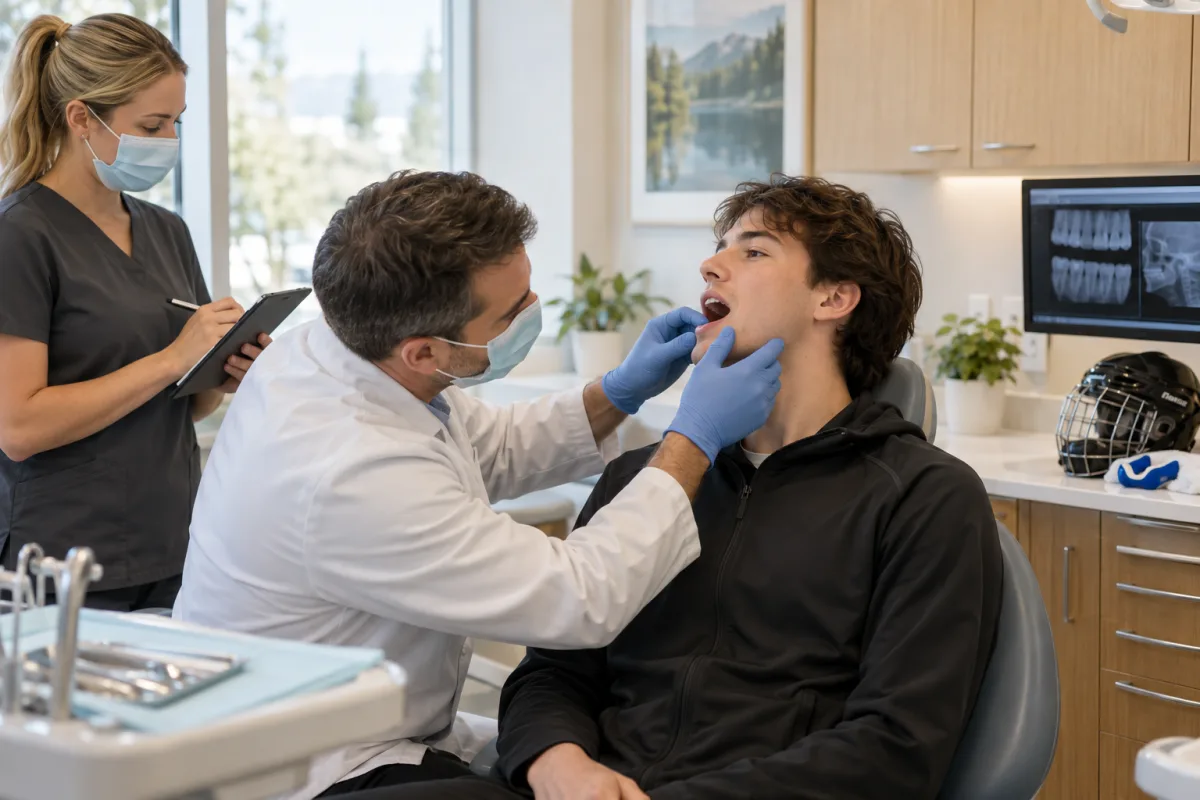
Trauma to the mouth can happen during farm chores, a hockey game, a fall from a bike or a slip on an icy step. Teeth may chip, crack, loosen, shift position or come out completely, and the lips, gums and jaw can be hurt as well. Some injuries look minor yet still affect the nerve or root, so a dental assessment is wise even when the pain seems mild.
If an injury happens in or around Forestville, check for medical emergencies first and then call our Port Dover office. Describe what happened, so the team can advise on what to do immediately, how to protect any loose or broken teeth and how soon the mouth should be examined.
First response
Look for signs of a head injury, such as confusion, drowsiness, vomiting or a worsening headache, and check for neck pain or trouble breathing. These need emergency medical attention right away. Once serious injury has been ruled out, help the injured person stay calm and look carefully inside the mouth to see which teeth or tissues have been affected.
Apply gentle pressure with clean gauze or a cloth to stop bleeding from the lips or gums. A cold compress on the outside of the face can reduce swelling. Collect any tooth fragments and keep them moist in milk. If a permanent tooth has been knocked out, handle it only by the crown and seek dental guidance right away.
Types of injury
Chips and fractures range from small breaks in the enamel to deep cracks that expose the nerve. Keep any pieces and note whether there is pink or bleeding tissue in the centre of the break, which can mean the nerve is exposed. Avoid chewing on the injured side. Larger fractures and exposed nerves usually need prompt professional assessment.
A tooth may be loosened, pushed up into the gum, tipped forward or backward or partly pulled out of its socket. Do not try to force it back into position yourself unless the dental team advises it. Biting gently on a cloth may help steady it if that is comfortable. These injuries often need splinting and several follow-up checks.
Assessment and treatment
The dentist examines the injured teeth, gums and jaw, checks whether any teeth have moved and tests how the nerves respond. X-rays help reveal root fractures and damage hidden below the gums. Neighbouring teeth that look perfectly fine may be checked as well, because the force of an impact can affect several teeth at once without obvious signs.
Treatment may include smoothing or bonding chipped edges, repositioning and splinting loose teeth, protecting an exposed nerve or beginning root canal treatment. Cuts to the lips or gums may need care too. The dentist explains each step and what is expected to happen as healing progresses. Some injuries need several visits to monitor the outcome properly.
Monitoring
Teeth that have been injured can change colour, become tender or develop an infection later on, even if they felt fine at first. Watch for darkening, swelling, a small bump on the gum, increasing pain or new looseness. Keep every recommended follow-up appointment, since early signs of nerve damage may only show up on testing or X-rays.
Mouthguards reduce the risk of dental injury in many sports and recreational activities. Helmets, seatbelts, car seats and childproofing around the home also help. If someone in your family has had a dental injury before, ask the dentist whether particular protection would be sensible for upcoming activities, seasons or jobs around the home or property.
Planning your appointment
After an injury, phone our Port Dover office to describe what happened. The team can explain the immediate steps to take, discuss how urgent the situation is and help arrange an assessment.
Bring any tooth pieces kept in milk, a list of medications and details about how and when the injury happened, including whether anyone hit their head.
Before you book
Have a question about your situation? Our team can help you plan a visit.
If there is any sign of head injury, breathing difficulty or heavy bleeding, seek medical care first. Once those concerns have been addressed and the person is stable, contact the dental office for guidance on caring for the injured teeth.
Some slightly loosened teeth do firm up again, but they still need to be assessed. The dentist may splint the tooth and monitor it over time. Avoid chewing on it, and follow the instructions you are given about diet and gentle cleaning.
Darkening can indicate changes in the nerve following trauma. It does not always mean the tooth will be lost, but it should be examined. The dentist may test the nerve, take X-rays and explain whether any treatment is needed to protect the tooth.
Call the office for guidance. Do not try to replant a knocked-out baby tooth, as this can harm the adult tooth developing beneath it. The dentist will check the area and explain what follow-up, if any, your child needs.
Not always. It depends on the type of injury and how the nerve responds over the following weeks and months. The dentist will monitor the tooth carefully and explain if root canal treatment becomes necessary at any stage.
A knocked-out adult tooth is a time-sensitive emergency. Forestville patients can learn how to handle the tooth and when to call our Port Dover office.
Chipped a tooth on a hard bite or in a fall? Forestville patients can call our Port Dover office to describe the break and any pain before travelling in.
Recognized year after year
Best Dentists in Norfolk
Proudly recognized among Norfolk’s top-rated dental practices for six consecutive years.

2021 Winner

2022 Winner

2023 Winner

2024 Winner

2025 Winner

2026 Winner
Stories from our patients
Watch a patient’s experience and browse more five-star reviews from people who have visited our Port Dover dental clinic.
Patient video
A patient shares the welcoming atmosphere and positive experience they found at our Port Dover office.
Google reviews
Swipe or use the arrows
Read all reviewsYour next visit can start today
New patients and CDCP patients are welcome. Tell us how we can help and our Port Dover dental team will follow up with you.
Evening appointments Monday and Tuesday