
Patient video
Welcoming and Wonderful Practice
A patient shares the welcoming atmosphere and positive experience they found at our Port Dover office.
★★★★★

Port Dover Family Dentistry
Prevention combines professional cleanings, fluoride and daily habits. Wilsonville patients can build a personal prevention routine with our Port Dover hygiene team.
Let’s get you smiling
Tell us how we can help. Our team will follow up to confirm a time.
Caring for Wilsonville patients at our Port Dover office
See every dental service for WilsonvilleStopping problems before they start
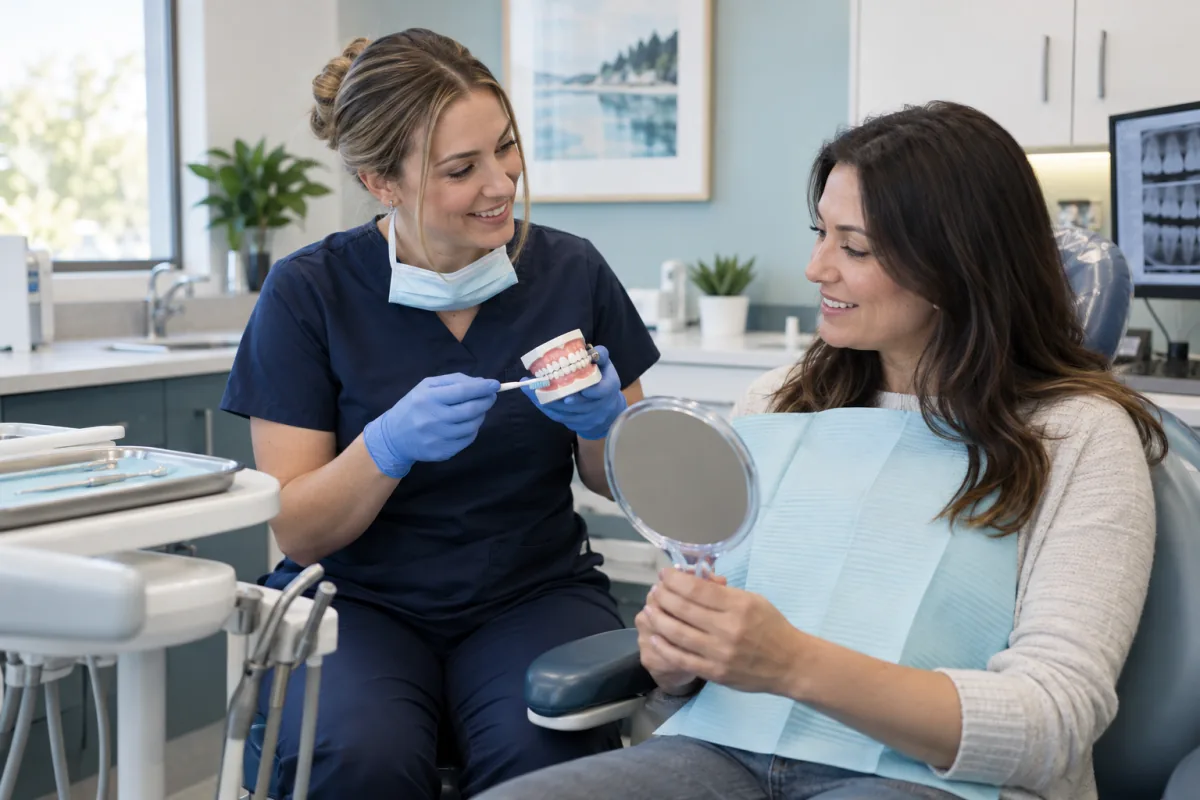
Preventive dental care aims to keep teeth and gums healthy and reduce the need for fillings, root canals or extractions. It includes professional cleanings, examinations, fluoride, sealants where suitable and personalized advice about brushing, cleaning between teeth and diet. What works best depends on your own risk factors and routines.
For people in Wilsonville, a prevention plan built at our Port Dover office can help make each visit count. Tell the hygienist what your daily routine looks like, including any difficulties, so advice fits your life. A realistic plan is easier to follow than an ideal one.
Know your risks
Frequent snacking or sipping sugary drinks, dry mouth, past cavities, exposed root surfaces and orthodontic appliances can increase the chance of decay. Some medications reduce saliva. The hygienist and dentist look at these factors when suggesting extra fluoride, more frequent visits or changes to your routine.
Smoking, diabetes, pregnancy, certain medications, stress and genetics can influence gum health. Bleeding when brushing is often an early sign of inflammation. Identifying these factors allows the team to focus on the areas that need the most attention and to monitor them closely over time.
Professional care
Professional cleanings remove hardened tartar above and below the gumline. The hygienist measures gum pockets and notes bleeding or recession, which helps track gum health. Polishing removes surface stain. These visits also give the team a chance to review your home routine and suggest adjustments.
Fluoride varnish may be recommended to strengthen enamel, particularly for those at higher risk of decay. Sealants can protect the grooves of back teeth, especially in children and teens. The dentist will explain whether these treatments would benefit you and how often they might be reapplied.
Home routine
Brush twice a day for about two minutes with fluoride toothpaste, angling the bristles toward the gumline. Clean between your teeth daily with floss, interdental brushes or another tool that suits you. A powered toothbrush can help some people. Ask the hygienist to watch your technique and suggest improvements.
Limit how often you have sugary or acidic foods and drinks, since frequency matters more than amount. Drink water between meals. If you snack, choose options less likely to stick to teeth. Chewing sugar-free gum after meals may help stimulate saliva. Avoid brushing immediately after acidic drinks.
Review and adjust
At each visit, the team compares gum measurements, plaque levels and any new findings with previous records. If areas are improving, you will know your efforts are paying off. If problems persist, they may suggest new tools, techniques or a different cleaning interval to address them.
Pregnancy, new medications, braces, ageing and changes in dexterity can all affect your oral health. Let the team know about these changes so your plan can be updated. Preventive care is most effective when it matches your current circumstances rather than staying fixed for years.
Planning your appointment
Book a hygiene appointment at our Port Dover office and ask the team to review your risks and routine. If you are due for an exam, ask whether it can be scheduled on the same day.
Bring your medication list and mention any areas that bleed, feel sensitive or are difficult to clean.
Before you book
Have a question about your situation? Our team can help you plan a visit.
Many people have cleanings at regular intervals, but frequency depends on your gum health, tartar buildup and risk factors. Your hygienist and dentist will recommend a schedule suited to you.
Fluoride is widely used in dentistry to help prevent decay. The amount and type are chosen based on age and risk. Ask the team any questions about fluoride products for you or your children.
Cleaning between teeth removes plaque where a toothbrush cannot reach. Floss is one option; interdental brushes or water flossers may suit some people better. The hygienist can help you choose.
Gum inflammation in its early stage can often improve with better cleaning and professional care. Persistent bleeding should be examined, as it may indicate gum disease that needs treatment.
Some people clean more effectively with powered brushes, especially those with limited dexterity. A manual brush used well is also effective. The best brush is one you use correctly twice a day.
Professional cleanings remove tartar and stain that brushing leaves behind. Wilsonville patients can book hygiene visits and pair them with exams at our Port Dover office.
Regular dental exams catch decay, gum changes and other problems early. Wilsonville patients can book checkups and plan return visits at our Port Dover office.
Recognized year after year
Best Dentists in Norfolk
Proudly recognized among Norfolk’s top-rated dental practices for six consecutive years.

2021 Winner

2022 Winner

2023 Winner

2024 Winner

2025 Winner

2026 Winner
Stories from our patients
Watch a patient’s experience and browse more five-star reviews from people who have visited our Port Dover dental clinic.
Patient video
A patient shares the welcoming atmosphere and positive experience they found at our Port Dover office.
Google reviews
Swipe or use the arrows
Read all reviewsYour next visit can start today
New patients and CDCP patients are welcome. Tell us how we can help and our Port Dover dental team will follow up with you.
Evening appointments Monday and Tuesday