
Patient video
Welcoming and Wonderful Practice
A patient shares the welcoming atmosphere and positive experience they found at our Port Dover office.
★★★★★
Port Dover Family Dentistry
A dental abscess needs prompt attention. La Salette patients can learn which signs to report, when to go to emergency and how the source is treated.
Let’s get you smiling
Tell us how we can help. Our team will follow up to confirm a time.
Caring for La Salette patients at our Port Dover office
See every dental service for La SaletteInfection needs a plan
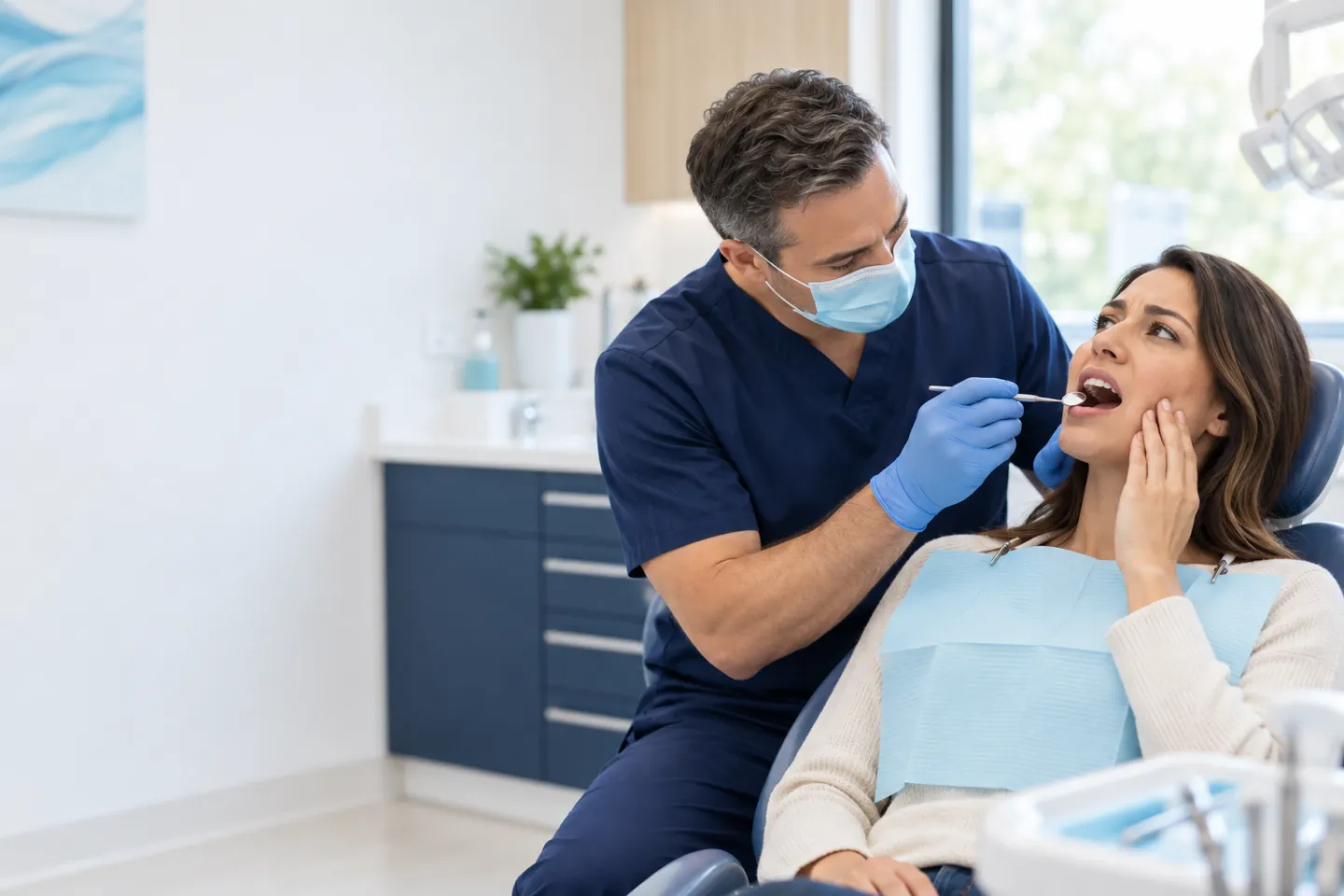
A dental abscess forms when bacteria reach the inner part of a tooth or the gum and bone around it. It may cause throbbing pain, a bad taste, a swollen gum bump or tenderness when biting. Sometimes pain eases if pus drains, but the infection usually remains and can spread if left untreated.
If you are in La Salette and suspect an abscess, call our Port Dover office promptly and describe your symptoms. The team can discuss urgency and arrange an assessment. Treating the source, not only the pain, is what generally resolves a dental infection.

Warning signs
Common signs include a persistent toothache, pain when chewing, a pimple-like bump on the gum, a salty or foul taste, sensitivity to hot or cold and swelling of the gum or cheek. Some people feel generally unwell. Note when symptoms started and whether they are changing, since this information helps the team judge urgency.
Swelling that spreads toward the eye, neck or floor of the mouth, trouble swallowing or breathing, a high fever or feeling very unwell are signs the infection may be spreading. These require emergency medical care immediately. Do not wait for a dental appointment or try to manage those symptoms at home.
Assessment
An abscess may start at the tip of a tooth root, usually after decay or injury damages the nerve, or in the gum alongside a tooth, often related to gum disease. The dentist examines the area, checks for swelling and tenderness and asks about your recent dental history.
X-rays help show bone changes around the root and the extent of decay or previous treatment. Tests of how the tooth responds to cold or tapping can help pinpoint the cause. Identifying the source clearly is important, because it determines which treatment will actually remove the infection.
Treatment
Depending on the findings, the dentist may drain the abscess, perform root canal treatment to clean the inside of the tooth or remove a tooth that cannot be saved. Gum-related abscesses may require deep cleaning of the area. The dentist will explain the options and what each involves for your tooth.
Antibiotics may be prescribed in some situations, particularly when infection is spreading or you are unwell, but they are usually not a substitute for treating the tooth itself. Take any prescribed medicine exactly as directed and tell the dentist about allergies and other medicines you take.
Recovery
Tenderness can continue for a few days after treatment. Follow the dentist’s advice on pain relief and gentle rinsing. Eat soft foods and chew on the other side for a while. Call the office if swelling increases, fever develops or pain worsens rather than gradually improving.
If a root canal was started, completing it and placing a final restoration is important to protect the tooth. Gum-related infections may need ongoing periodontal care. Keep follow-up appointments even if you feel better, since unresolved infection can flare again later.
Planning your appointment
Call our Port Dover office as soon as you notice abscess symptoms. Describe the pain, swelling and how you feel overall so the team can advise on urgency and timing.
Bring a list of medicines and allergies, and let the team know if you have already started any antibiotics.
Before you book
Have a question about your situation? Our team can help you plan a visit.
Symptoms may ease if the abscess drains, but the infection typically remains at the source. Without treatment it can return or spread. Prompt dental assessment is recommended even if pain improves.
Antibiotics can help control spreading infection, but they usually do not remove its cause. Treatment such as drainage, root canal or extraction is generally needed. The dentist will explain the approach for your situation.
Rapidly spreading swelling, difficulty breathing or swallowing, high fever or feeling very unwell require emergency medical care immediately. Call 911 or go to the nearest emergency department.
Often, root canal treatment can save an infected tooth. Severely damaged teeth may need removal. The dentist will assess the tooth and discuss which options are realistic before treatment.
Over-the-counter pain relief used as directed, rinsing gently with warm salt water and avoiding chewing on the area may help temporarily. Do not apply heat to swelling or place aspirin on the gum.
A root canal can save a tooth with an infected or inflamed nerve. La Salette patients can learn the warning signs, what treatment involves and what follows.
Swelling in the face or jaw can signal a spreading dental infection. La Salette patients can learn which signs need 911 and how the source is treated.
Recognized year after year
Best Dentists in Norfolk
Proudly recognized among Norfolk’s top-rated dental practices for six consecutive years.

2021 Winner

2022 Winner

2023 Winner

2024 Winner

2025 Winner

2026 Winner
Stories from our patients
Watch a patient’s experience and browse more five-star reviews from people who have visited our Port Dover dental clinic.
Patient video
A patient shares the welcoming atmosphere and positive experience they found at our Port Dover office.
Google reviews
Swipe or use the arrows
Read all reviewsYour next visit can start today
New patients and CDCP patients are welcome. Tell us how we can help and our Port Dover dental team will follow up with you.
Evening appointments Monday and Tuesday