
Patient video
Welcoming and Wonderful Practice
A patient shares the welcoming atmosphere and positive experience they found at our Port Dover office.
★★★★★
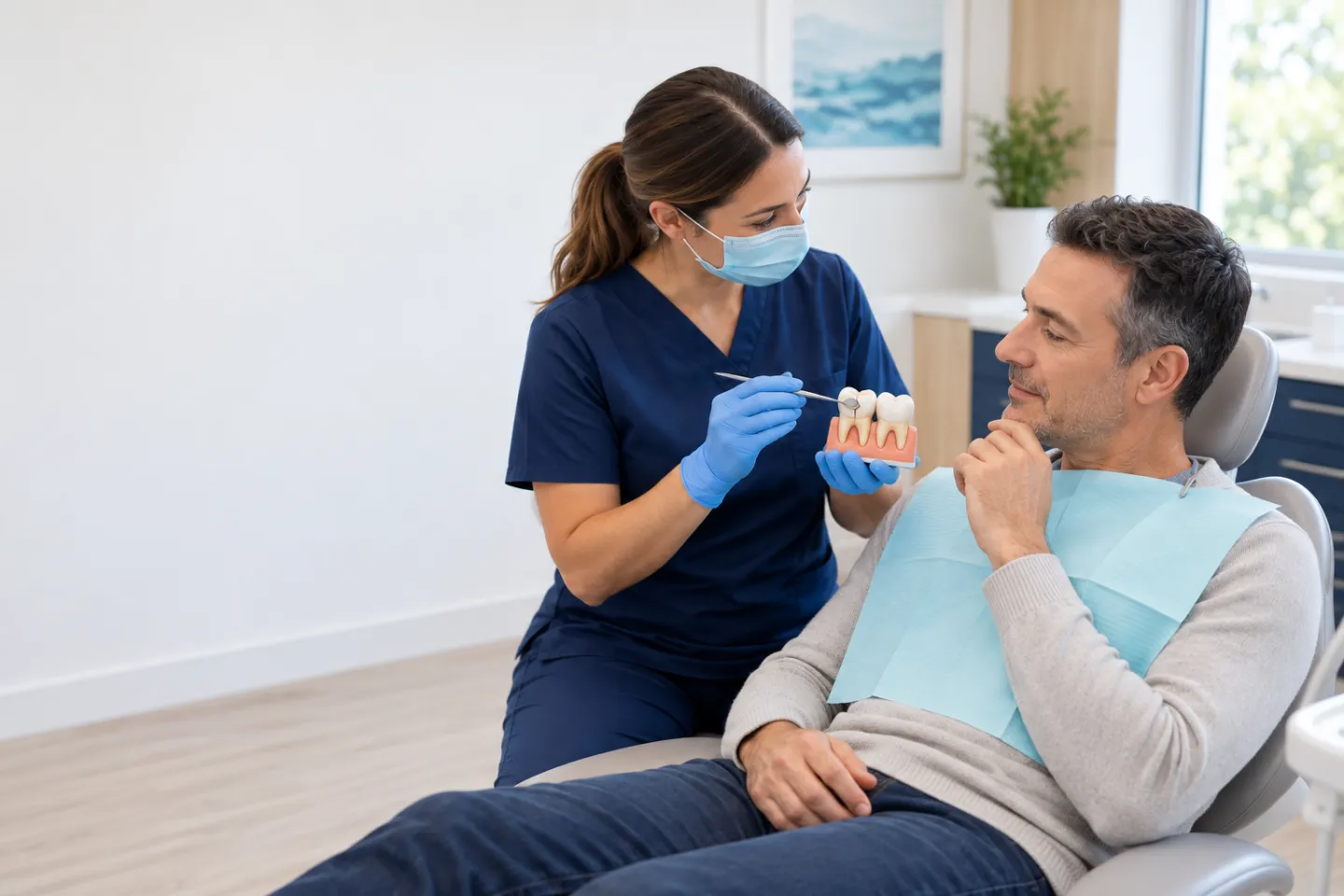
Port Dover Family Dentistry
A sharp twinge when you bite and release can mean a cracked tooth. Silver Hill patients can learn how cracks are found and what repairs may help save the tooth.
Let’s get you smiling
Tell us how we can help. Our team will follow up to confirm a time.
Silver Hill patients are cared for at our Port Dover office
Every dental service for Silver HillCatch cracks before they spread
Unlike a visible chip, a crack can be almost impossible to see. It may show up as a brief, sharp pain when you bite down or let go, sensitivity to cold that comes and goes, or discomfort you cannot quite pin to one tooth. Teeth with large fillings or a history of grinding are especially prone to cracking over time.
If you are in Silver Hill and suspect a cracked or broken tooth, book an assessment at our Port Dover office. The dentist can test the tooth, explain how far the crack seems to extend and outline the options for protecting it, from a crown to more involved care.
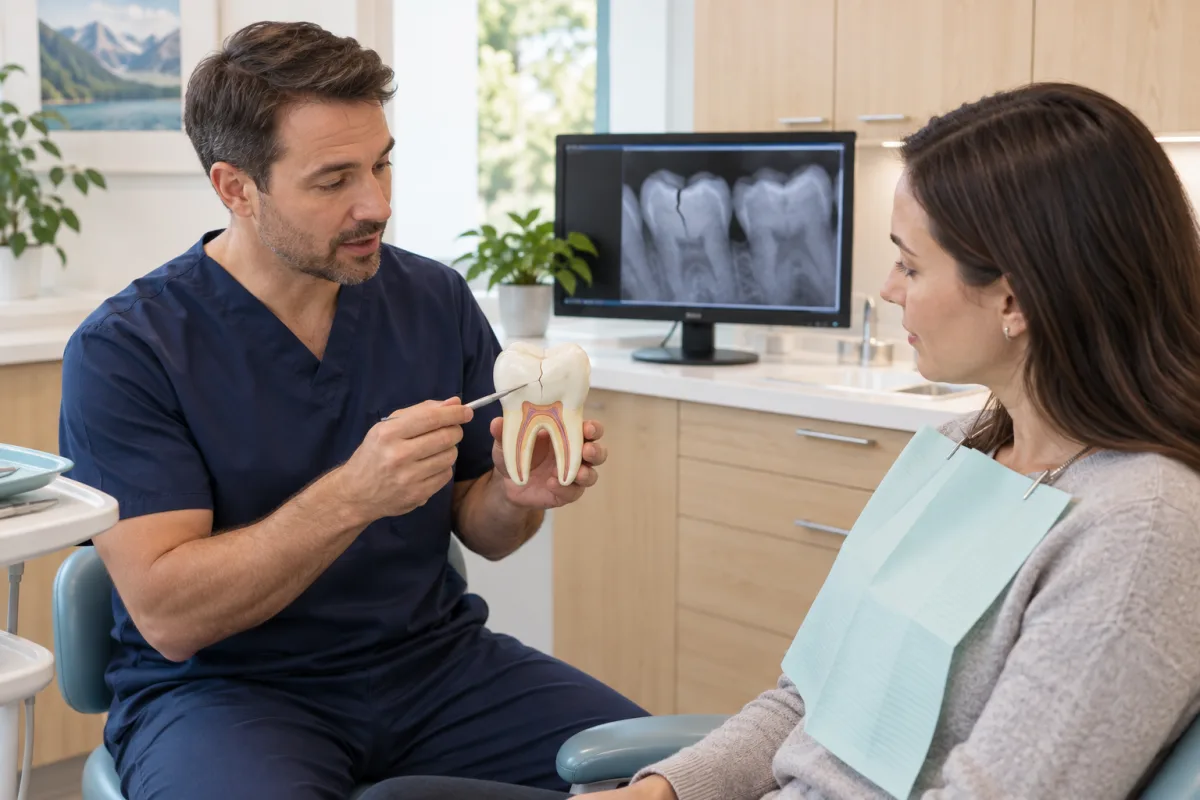
Recognizing a crack
Pain that flashes when you chew a particular food, especially on release, is a classic sign. Some people notice sensitivity to temperature or sweets that fades quickly. The pain may be intermittent, so you might go days without symptoms. If a piece has actually broken away, you may feel a sharp edge or a gap with your tongue.
Biting on hard objects, grinding or clenching, large older fillings, previous root canal treatment and sudden temperature changes can all contribute to cracks. Facial injuries are another cause. Mention any of these when you call, since they help the dentist understand which teeth are most at risk and what to look for.
Diagnosis
The dentist may ask you to bite on a special instrument one cusp at a time to reproduce the pain. Magnification, a bright light or dye can sometimes make a crack visible. Old fillings may be removed to inspect the tooth underneath. X-rays help assess the surrounding bone and nerve, although many cracks do not show on them.
Fine cracks can be elusive, and sometimes the diagnosis becomes clearer over time or once treatment begins. The dentist will explain what they can and cannot confirm and why a particular approach is recommended. Asking about the likely prognosis for the tooth is a useful question at this stage.
Repair options
For many cracked teeth, covering and holding the tooth together with a crown or onlay reduces flexing and helps prevent the crack from spreading. A minor craze line in enamel may only need monitoring, while a small broken cusp can sometimes be rebuilt with a filling or bonding. The dentist will match the repair to the damage.
If the crack has reached the nerve, root canal treatment may be needed before the tooth is crowned. A crack that extends deep into the root or splits the tooth may mean it cannot be saved, and removal would be discussed along with replacement options such as an implant or bridge.
Protecting the repair
After a crown or other restoration, some sensitivity may linger for a short while. If biting pain persists or worsens, contact the office, as the crack may extend further than expected or the nerve may be affected. Keep any follow-up visits so the dentist can check how the tooth is responding.
If you grind or clench, a custom night guard can reduce the forces on repaired and natural teeth. Avoid chewing ice, hard candy, popcorn kernels or pen caps. Regular checkups allow the dentist to monitor teeth with large fillings that might crack in the future.
Planning your appointment
When you call, describe which side hurts, what triggers the pain and how long it has been happening. If a piece has broken off or pain is constant, let the team know so they can discuss timing.
Chew on the opposite side until your appointment, and avoid very hard or sticky foods that could worsen the crack.
Before you book
Have a question about your situation? Our team can help you plan a visit.
No. Unlike bone, tooth enamel and dentin do not repair themselves. Cracks can stay stable for a while but may spread, so having the tooth assessed early gives you the best chance of a simpler repair.
Cracks often cause pain only when the pieces flex under certain pressures or temperatures. This intermittent pattern is common and is one reason cracks can be tricky to identify without testing.
Not necessarily. Many cracked teeth are managed with a crown alone. A root canal may be needed if the nerve is inflamed or infected. The dentist will explain the signs they are watching for.
Cracks that extend deep into the root can make a tooth difficult or impossible to save. The dentist will discuss the outlook honestly and, if needed, explain replacement options such as an implant or bridge.
A night guard can help protect teeth from the forces of grinding and clenching, which are common contributors to cracks. It cannot prevent every crack, but it reduces stress on vulnerable teeth.
A crown caps a weakened tooth to protect it and restore its shape. Silver Hill patients can learn when crowns are advised and how to care for one.
Chipped a tooth in Silver Hill? Learn what to save, how to protect the tooth on the way to Port Dover and which repairs may suit a small chip or larger break.
Recognized year after year
Best Dentists in Norfolk
Proudly recognized among Norfolk’s top-rated dental practices for six consecutive years.

2021 Winner

2022 Winner

2023 Winner

2024 Winner

2025 Winner

2026 Winner
Stories from our patients
Watch a patient’s experience and browse more five-star reviews from people who have visited our Port Dover dental clinic.
Patient video
A patient shares the welcoming atmosphere and positive experience they found at our Port Dover office.
Google reviews
Swipe or use the arrows
Read all reviewsYour next visit can start today
New patients and CDCP patients are welcome. Tell us how we can help and our Port Dover dental team will follow up with you.
Evening appointments Monday and Tuesday