
Patient video
Welcoming and Wonderful Practice
A patient shares the welcoming atmosphere and positive experience they found at our Port Dover office.
★★★★★
Port Dover Family Dentistry
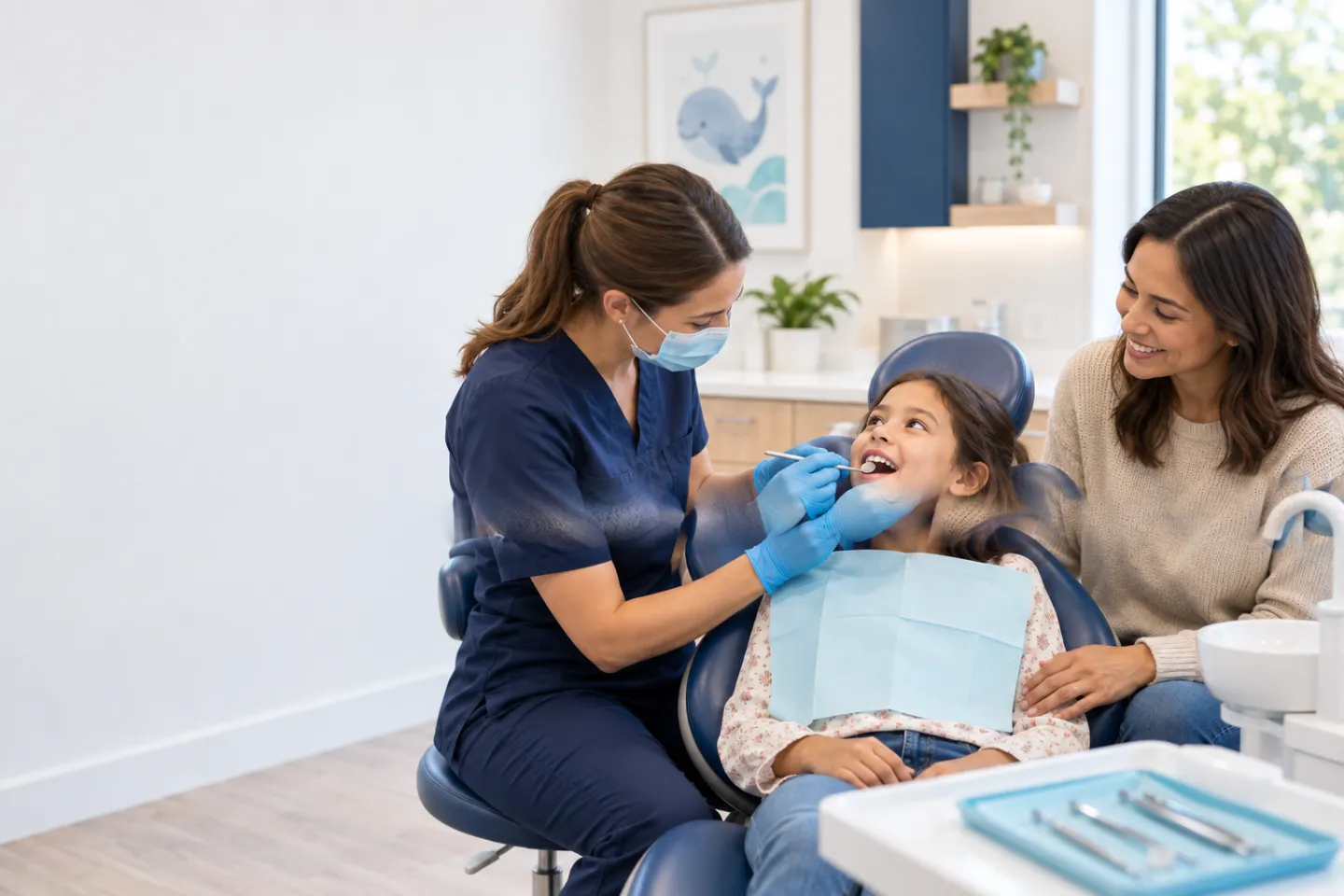
A child’s checkup tracks growing teeth, early decay and habits. St. Williams parents can learn what happens at an exam in Port Dover and how to prepare their child.
Let’s get you smiling
Tell us how we can help. Our team will follow up to confirm a time.
Caring for St. Williams patients at our office in Port Dover
Every dental service for St. WilliamsCheckups that grow with them
From the first baby tooth to the arrival of molars in the teenage years, a child’s mouth goes through constant change. Regular exams let the dentist follow that development, spot decay early, check the bite and offer advice that matches your child’s stage. They also help children grow comfortable with dental visits over time.
St. Williams families are welcome at our Port Dover office for children’s checkups. Bring your questions about teething, brushing, thumb sucking or tooth spacing, and the team will explain what they see and what, if anything, should happen next.

Before you arrive
Keep explanations simple and positive. You might say the dentist will count teeth and check that they are healthy. Picture books or pretend play with a toothbrush can help younger children. Try not to share your own worries about dental visits, since children often pick up on adult anxiety.
Have your child’s health information, medications and allergy details on hand. If your child has had dental treatment elsewhere, bring any records you have. Note questions as they come up, such as concerns about a tooth colour or a habit, so you remember to ask during the appointment.
During the exam
Each tooth is checked for decay, and gums are examined for redness or swelling. The tongue, cheeks and roof of the mouth are looked at as well. X-rays may be recommended at certain ages or when there is a reason to look between teeth or below the gums.
The dentist will note how teeth are coming in, how upper and lower teeth meet and whether spacing seems on track. Habits like thumb sucking, mouth breathing or teeth grinding may be discussed. Not every finding needs action now; some things are simply watched at later visits.
Talking results
Ask the dentist to explain the findings in plain terms and to point out anything you can watch for at home. If a cavity or other concern was found, ask how urgent it is and what treatment would involve. Understanding the reasons behind a recommendation makes it easier to explain it to your child.
Sometimes the dentist suggests treatment such as a filling, sealants or fluoride, or recommends watching a tooth or bite pattern over time. In some cases a referral to a specialist may be discussed. Ask how long to wait before the next checkup, as recommendations vary with each child’s needs.
Home routines
Most young children need an adult to brush their teeth or at least check their work. Use a fluoride toothpaste in an amount appropriate for their age and brush twice a day. As teeth begin to touch, start flossing between them. The hygienist can show you techniques that suit your child.
Water is the best drink between meals, and frequent snacking on sticky or sugary foods raises the risk of cavities. Bedtime bottles with milk or juice can harm baby teeth. Keep the routine consistent, and make brushing a shared habit rather than a battle whenever possible.
Planning your appointment
When booking with our Port Dover team, let us know your child’s age, whether this is a first visit and any concerns you have noticed, such as a sore tooth or unusual colour.
Aim for a time when your child is usually alert and fed, and allow a little extra time to settle in before the appointment begins.
Before you book
Have a question about your situation? Our team can help you plan a visit.
Many children are seen regularly through the year, but the dentist will suggest an interval based on your child’s risk of cavities, development and any ongoing concerns. Ask at each visit when the next checkup should be booked.
Not at every visit. The dentist recommends X-rays when they are useful, for example to check between teeth or to look at developing teeth. Ask why they are suggested and how often they are likely to be needed.
Parents are usually welcome to stay, particularly with younger children. Let the team know your preference. Older children sometimes prefer a little independence, and the team can talk with you about what works best.
That happens, especially at early visits. The team will move at your child’s pace and may complete what they can. Positive practice at home and repeat visits often help children feel more comfortable over time.
Spacing and alignment of baby teeth vary widely. The dentist will monitor how teeth are coming in and may suggest an orthodontic assessment at an appropriate age if the bite or growth pattern needs a closer look.
A child’s cleaning removes plaque, polishes teeth and teaches good habits. St. Williams families can learn what a gentle kids’ cleaning involves at our Port Dover office.
Some bite and growth issues are easier to guide while a child is still growing. St. Williams parents can learn what an early orthodontic assessment in Port Dover covers.
Recognized year after year
Best Dentists in Norfolk
Proudly recognized among Norfolk’s top-rated dental practices for six consecutive years.

2021 Winner

2022 Winner

2023 Winner

2024 Winner

2025 Winner

2026 Winner
Stories from our patients
Watch a patient’s experience and browse more five-star reviews from people who have visited our Port Dover dental clinic.
Patient video
A patient shares the welcoming atmosphere and positive experience they found at our Port Dover office.
Google reviews
Swipe or use the arrows
Read all reviewsYour next visit can start today
New patients and CDCP patients are welcome. Tell us how we can help and our Port Dover dental team will follow up with you.
Evening appointments Monday and Tuesday