
Patient video
Welcoming and Wonderful Practice
A patient shares the welcoming atmosphere and positive experience they found at our Port Dover office.
★★★★★
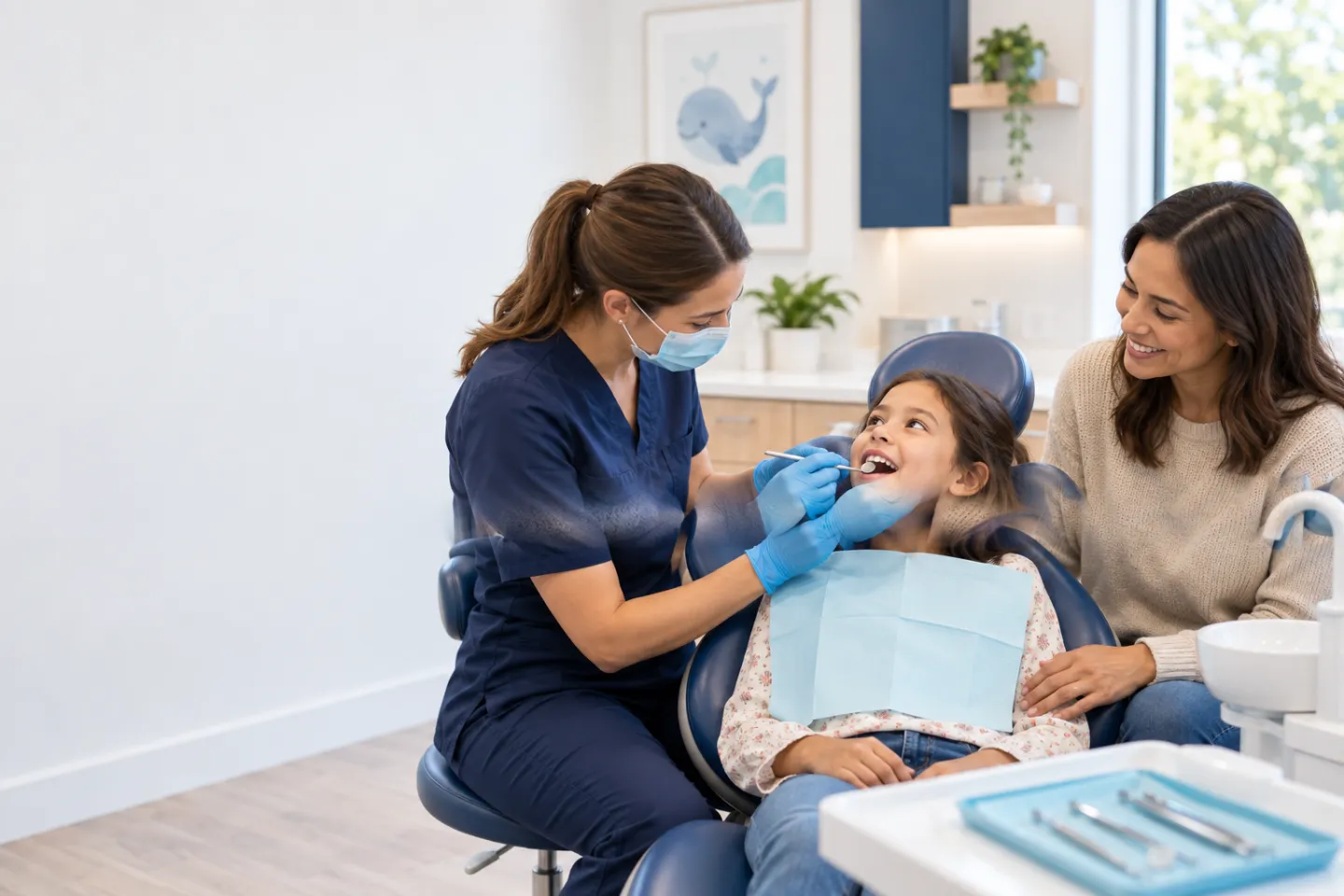
Port Dover Family Dentistry
Your child's account of discomfort adds to what you observe. At a Port Dover dental exam, share both perspectives and explain how they prefer to answer questions.
Let’s get you smiling
Tell us how we can help. Our team will follow up to confirm a time.
Dental care at our Port Dover practice on Norfolk County Highway 6
All Port Dover dental servicesA changing mouth needs a current picture
A loose baby tooth, a new permanent tooth or a change in brushing can raise questions between visits. A children’s exam brings those observations together with an assessment of current oral health and development.
At our Port Dover practice, tell the dentist what you and your child have noticed. Their own description of discomfort or difficulty can add useful information to the history you provide.
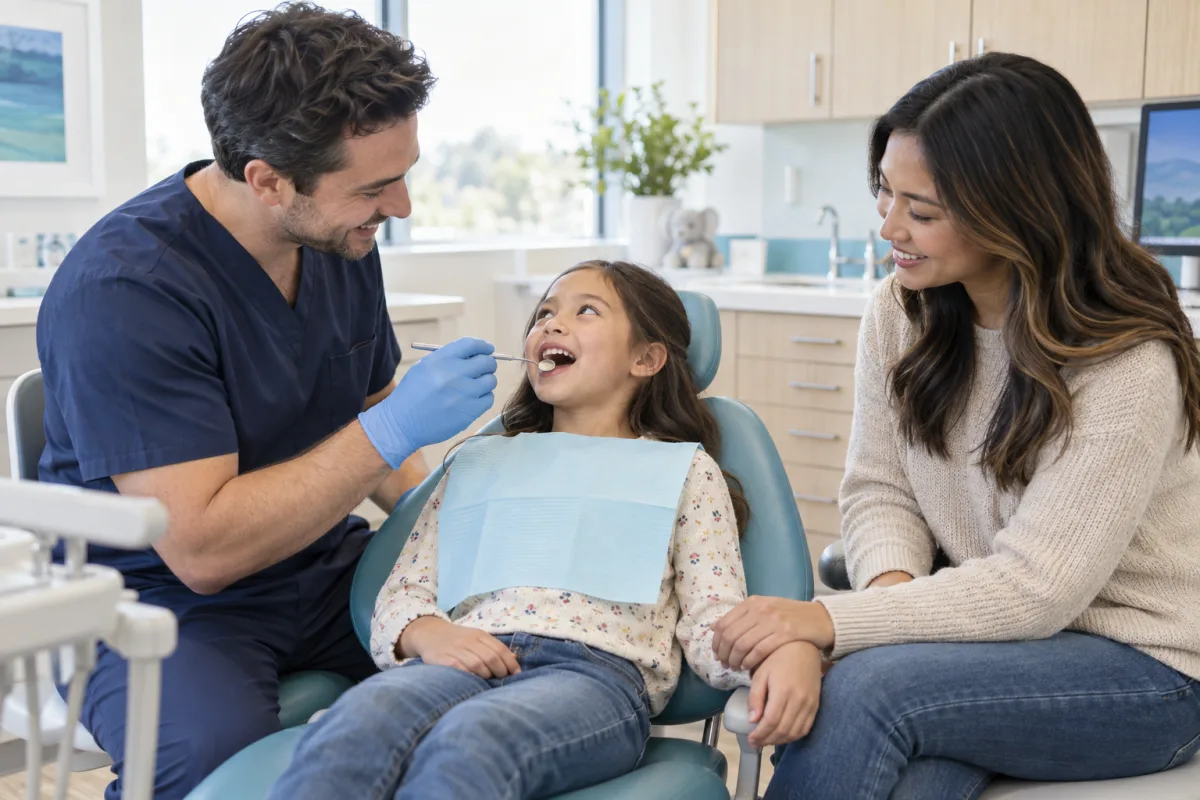
Before the checkup
A child may avoid a food or one side of the mouth without describing it as tooth pain. Mention changes in sleep, eating and brushing alongside anything your child says about discomfort. Both accounts are useful: your observations provide context, while their own words can help explain how a particular area feels.
Provide medical and medication updates and tell the team about anxiety, sensory needs or preferred ways of answering questions. Raise these when arranging the visit so they can be considered in advance. Explain what helped at earlier appointments as well as any experience your child found difficult.
The examination
The dentist examines teeth and tissues while considering the child's current stage of development. If imaging or another assessment is proposed, ask which question it is intended to answer. The explanation should relate to the symptoms, examination or development being reviewed rather than imply that every checkup involves identical tests.
At the end of the examination, distinguish findings that need treatment from changes being monitored as the mouth develops. Ask what the clinician will review at a later visit and what you should notice at home. That gives an observation plan a clear purpose instead of leaving the family uncertain about whether anything needs doing.
Recommendations
A sealant, a filling and a developmental review answer different needs. Ask which tooth or finding each recommendation concerns, whether the tooth is primary or permanent and why the timing is appropriate. Understanding those roles makes it easier to consider the plan than treating every item as the same kind of dental treatment.
When several visits are proposed, clarify their order, preparation and purpose. Confirm whether the next appointment includes an examination, hygiene care or a procedure, then use that explanation consistently at home. Your child should not have to guess what a return visit means from a list of unfamiliar treatment names.
Between exams
Ask how much help your child needs with brushing and which newly appearing teeth deserve particular attention. Describe any part of the routine your family finds difficult to maintain. A demonstration of the awkward area can turn a general reminder to clean well into a practical change you can repeat together.
Confirm the recommended review interval and what it is intended to monitor. Contact the practice sooner about a new symptom or injury rather than using the checkup date as a reason to wait. An earlier reassuring examination is useful history, but the team still needs to hear about later changes.
Planning your appointment
Tell our Port Dover team whether you want an exam, cleaning or assessment of a symptom. Confirm each service and the time expected.
Bring relevant medical information and describe previous dental experiences so the appointment can be discussed realistically.
Before you book
Have a question about your situation? Our team can help you plan a visit.
Ask for both services and confirm the booking. Their timing depends on your child’s needs and the available arrangements. An examination does not automatically include every preventive or treatment service discussed afterwards.
The dentist decides according to clinical needs and existing information. Ask what an image would help assess and how it relates to your child’s development, symptoms or examination findings.
Yes. Explain when you noticed it and any related concerns. The dentist can discuss whether monitoring or further assessment is appropriate rather than assuming every change in alignment needs immediate treatment.
Where appropriate, their description can help explain how something feels. You can add observations and history. Tell the team about communication preferences so questions can be made understandable for your child.
Contact the practice with the new information. An earlier examination does not remove the need to assess a later change, and the team can discuss suitable timing based on the current concern.
A child's cleaning booking does not automatically include fluoride. Ask our Port Dover team which preventive services are recommended and what the visit covers.
An early orthodontic stage may address a limited goal. At a Port Dover bite assessment, ask what it would achieve and which decisions remain for later development.
Recognized year after year
Best Dentists in Norfolk
Proudly recognized among Norfolk’s top-rated dental practices for six consecutive years.

2021 Winner

2022 Winner

2023 Winner

2024 Winner

2025 Winner

2026 Winner
Stories from our patients
Watch a patient’s experience and browse more five-star reviews from people who have visited our Port Dover dental clinic.
Patient video
A patient shares the welcoming atmosphere and positive experience they found at our Port Dover office.
Google reviews
Swipe or use the arrows
Read all reviewsYour next visit can start today
New patients and CDCP patients are welcome. Tell us how we can help and our Port Dover dental team will follow up with you.
Evening appointments Monday and Tuesday