Cavities & Enamel
We check for early decay, weakened enamel and areas where plaque is collecting so prevention can be adjusted promptly.
Port Dover Family Dentistry
Children’s dental exams in Port Dover monitor teeth, gums, bite and development while helping families prevent cavities and build healthy habits.
Let’s get you smiling
Tell us how we can help. Our team will follow up to confirm a time.
Children’s dental exams in Port Dover
A child’s mouth changes quickly as primary teeth appear, jaws grow and permanent teeth begin to erupt. Regular dental exams help us follow those changes, identify concerns early and give families practical guidance for each stage.
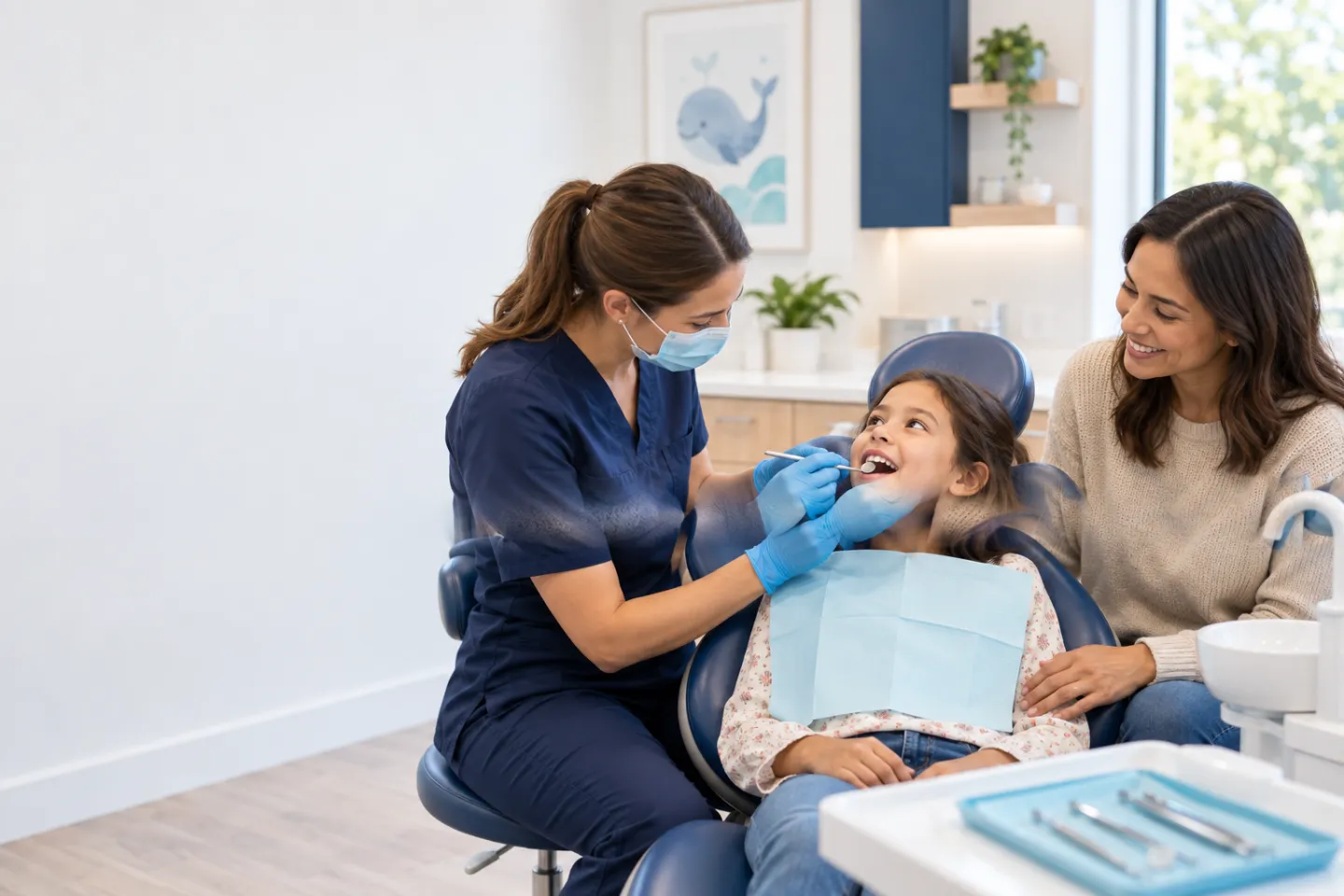
The visit includes an age-appropriate assessment of the teeth, gums, bite and oral tissues. We also review brushing, fluoride exposure, eating habits, injury prevention and anything you or your child have noticed since the last appointment.
Care matched to your child
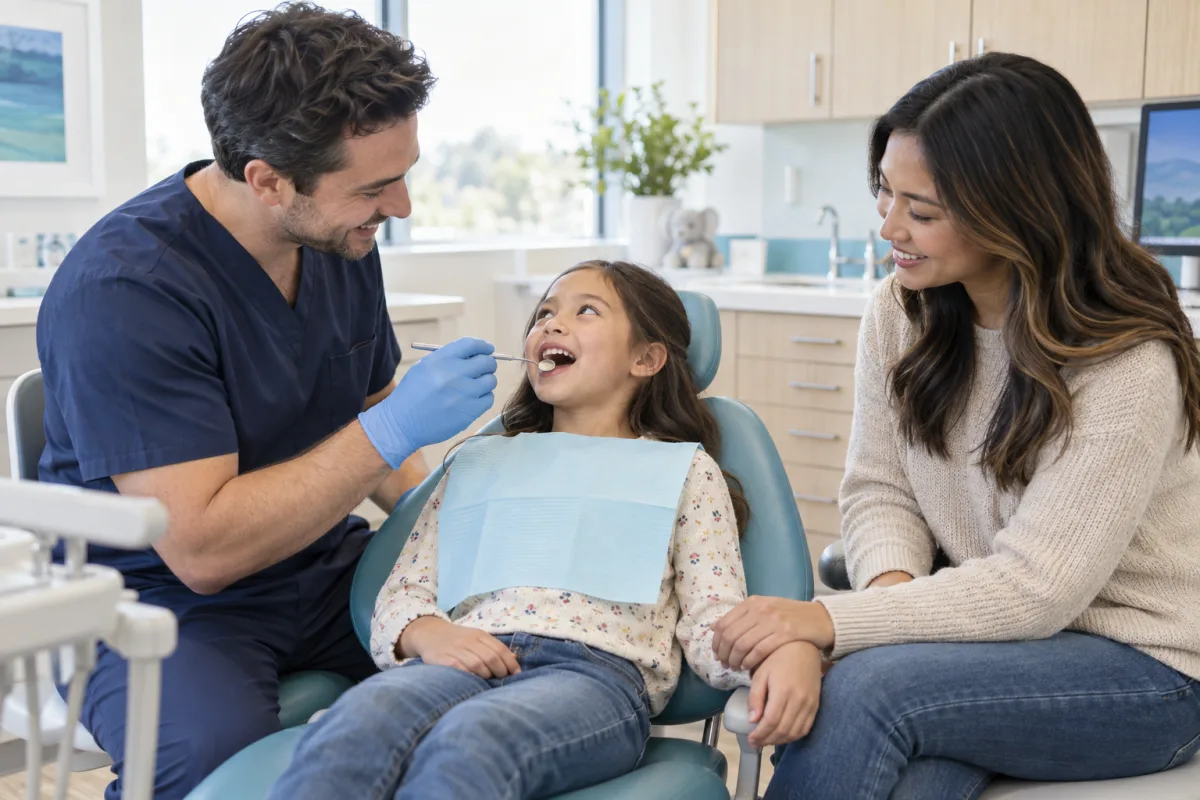
Exam timing and diagnostic images are based on age, development, oral-health history and individual cavity risk—not a one-size-fits-all schedule.
Growing smiles
The exam looks beyond one tooth. We assess the mouth as a changing system and connect what we see with your child’s daily habits and development.
We check for early decay, weakened enamel and areas where plaque is collecting so prevention can be adjusted promptly.
The gums, tongue, cheeks and other tissues are checked for inflammation, irritation, sores or unusual changes.
We follow which teeth are present, loose or erupting and look at jaw development and how the upper and lower teeth meet.
Families receive age-appropriate advice about brushing, flossing, fluoride, snacks, drinks, oral habits and mouthguards.
A friendly, age-appropriate visit
A calm pace and simple explanations help children understand what will happen and give them room to ask questions.
We begin with your concerns and your child’s recent health history. The dentist introduces the examination in clear, age-appropriate language.
The dentist counts and examines the teeth, looks at the gums and soft tissues, and assesses the bite and jaw. X-rays are recommended only when clinically needed.
We explain what we found, demonstrate useful home-care techniques and discuss prevention or treatment options when something needs attention.
Development changes quickly
A record from one visit becomes more useful when compared with the next. Tooth charts, clinical findings and diagnostic images when indicated help us follow eruption, spacing, the bite and areas that deserve closer observation.
We review the findings with both parent and child. Models or images can make it easier to understand which teeth are changing and why a preventive step, follow-up or referral may be suggested.
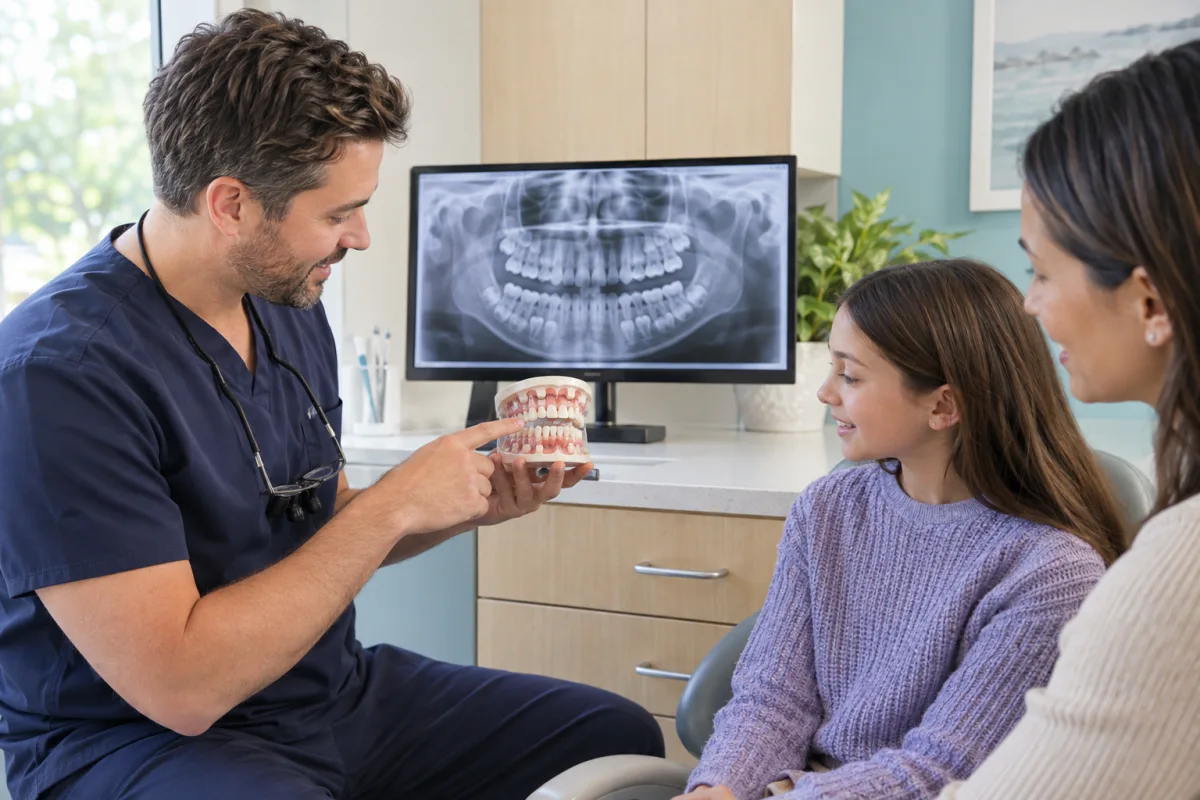
We note which primary teeth are loosening and whether permanent teeth are appearing in an expected sequence.
Growth, alignment, oral habits and how the teeth meet are followed as the mouth develops.
X-rays are selected only when history, clinical findings, development or cavity risk show that they can add useful information.
Individual timing
Many children are seen about every six months, but the right interval depends on what is changing in their mouth and how likely a problem is to develop.
The content and pace of an exam change as children grow, communicate more clearly and take on more home care.
Past decay, enamel changes, plaque levels, diet and fluoride exposure may support a shorter or longer recall interval.
Loose teeth, newly erupting adult teeth, jaw growth or an oral habit may need monitoring at a particular stage.
Pain, swelling, trauma or trouble eating should be assessed sooner rather than held for the next routine exam.
A loose primary tooth is often normal. Call sooner when looseness follows an injury or occurs with significant pain, bleeding or swelling.
Before the appointment
A little preparation gives the dental team better information and can help the visit feel predictable for your child.
Let your child know the dental team will count and check the teeth. Avoid frightening stories or promising that nothing will feel unfamiliar.
Bring an updated medication list and tell us about new diagnoses, allergies or other health information relevant to safe care.
Tell us about dental pain, sleep concerns, thumb or finger habits, grinding, food avoidance or a recent mouth injury.
Questions about brushing, fluoride, snacks, mouthguards, tooth eruption or a child’s behaviour are welcome.
Preventive care for children
Our Port Dover team makes room for questions, comfort and practical prevention at every stage of development.
Helpful information for parents
Many children are seen about every six months, but the appropriate interval depends on age, development, cavity risk and current oral health. The dentist will recommend timing for your child.
No. Dental X-rays are selected according to history, clinical findings, development and risk. Recent useful images are also considered before new ones are prescribed.
No. The exam is the dentist’s assessment of oral health and development. A cleaning removes plaque, tartar and surface stains. They may be scheduled together when appropriate.
Loose primary teeth are often part of normal development. Let us know if the tooth became loose after an injury, causes significant pain, or has swelling nearby.
No. New pain, swelling, trauma or trouble eating should be assessed sooner. Call the office so the team can determine the appropriate timing and next step.
Recognized year after year
Best Dentists in Norfolk
Proudly recognized among Norfolk’s top-rated dental practices for six consecutive years.

2021 Winner

2022 Winner

2023 Winner

2024 Winner

2025 Winner

2026 Winner
Stories from our patients
Watch a patient’s experience and browse more five-star reviews from people who have visited our Port Dover dental clinic.
Patient video
A patient shares the welcoming atmosphere and positive experience they found at our Port Dover office.
Google reviews
Swipe or use the arrows
Read all reviewsOur community
Your next visit can start today
New patients and CDCP patients are welcome. Tell us how we can help and our Port Dover dental team will follow up with you.
Evening appointments Monday and Tuesday