
Patient video
Welcoming and Wonderful Practice
A patient shares the welcoming atmosphere and positive experience they found at our Port Dover office.
★★★★★
Port Dover Family Dentistry
Baby teeth decay quickly. Tillsonburg parents will find how a child’s cavity is assessed, which treatments may be offered and how to prepare them.
Let’s get you smiling
Tell us how we can help. Our team will follow up to confirm a time.
Tillsonburg patients are welcome at our Port Dover office
Every dental service for Tillsonburg patientsSmall teeth, real decisions
Cavities in children can progress quickly because baby teeth have thinner enamel than adult teeth. A small spot may cause no pain at first, while a deeper one can lead to sensitivity, trouble chewing or an infection. Baby teeth still matter, as they help with eating, speech and holding space for permanent teeth.
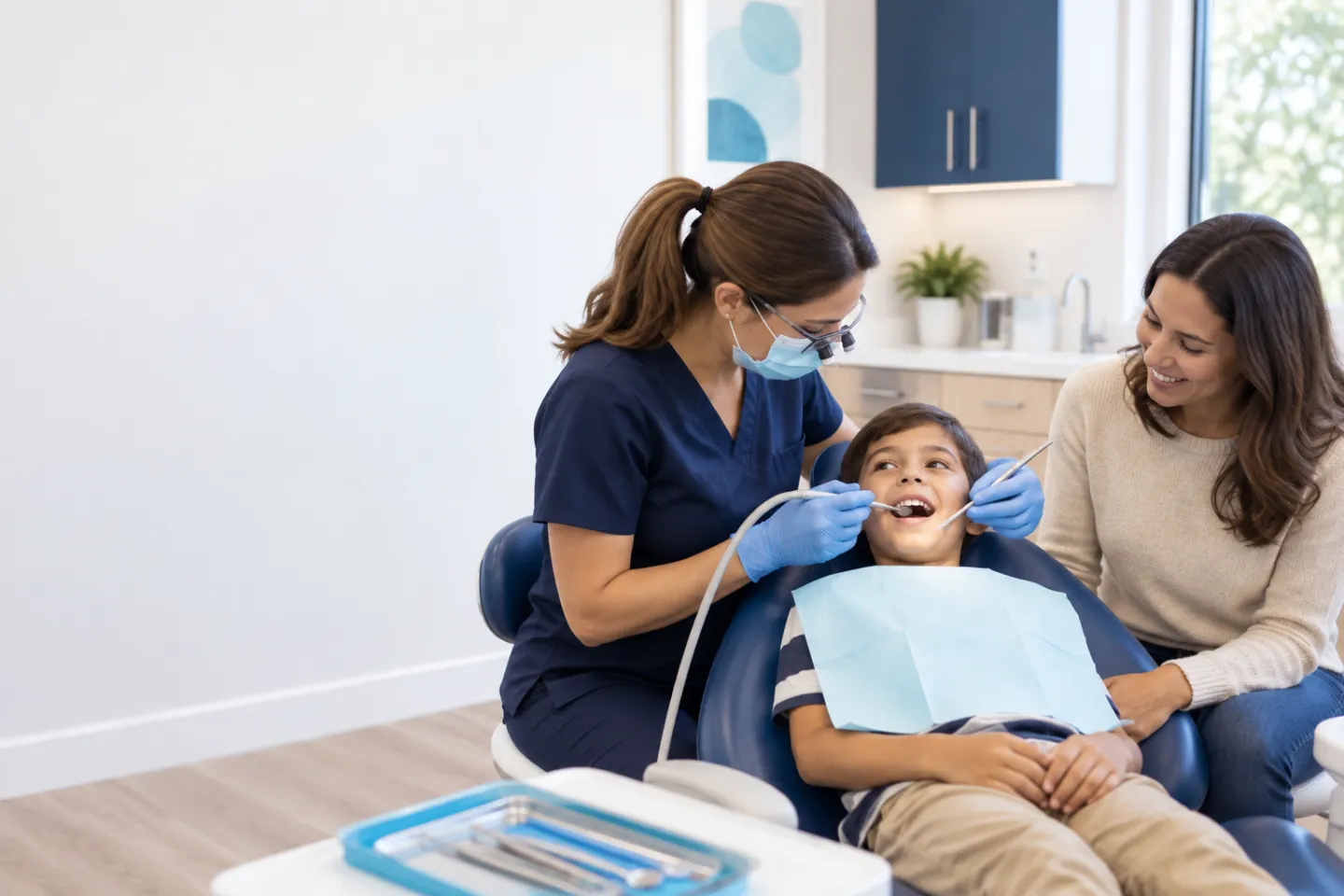
Families travelling from Tillsonburg can bring children to our Port Dover office for an assessment and a conversation about treatment. Planning the visit around the child’s best time of day, and sharing how they usually handle new experiences, can help the appointment go more smoothly.
Spotting decay
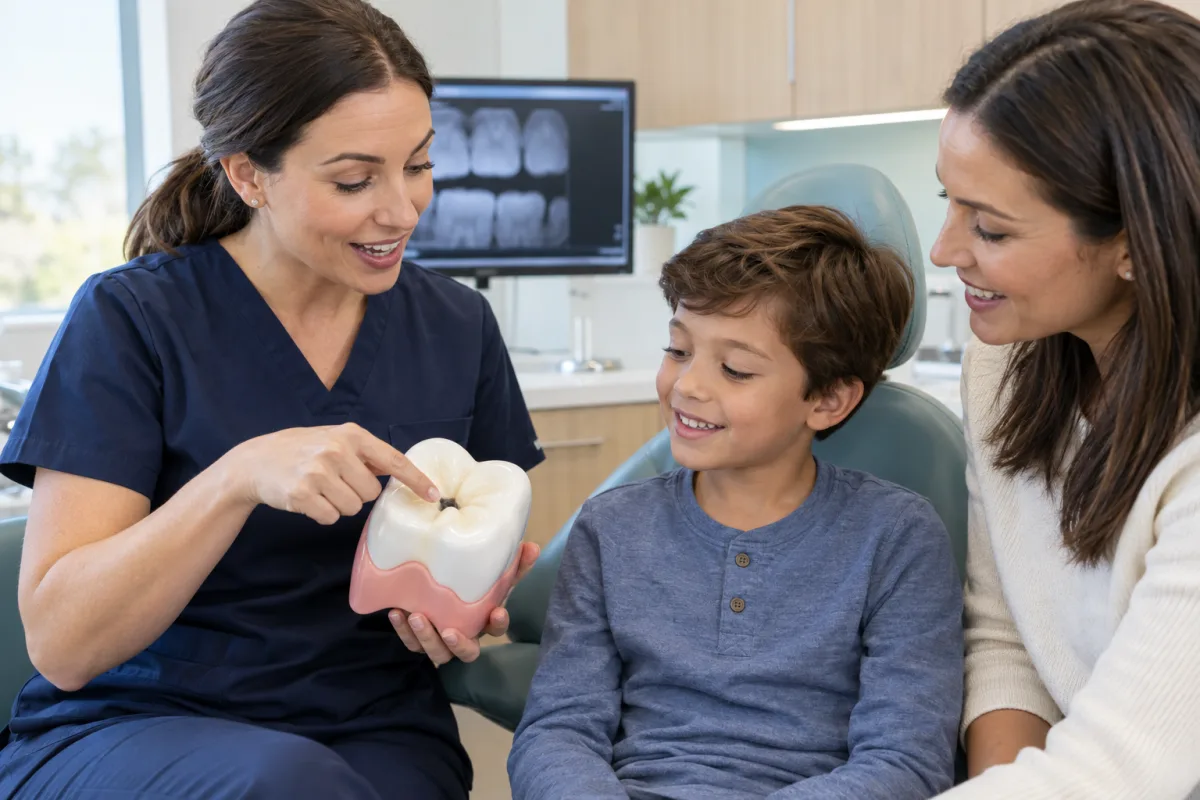
Watch for white chalky lines near the gums, brown or dark spots, food getting stuck in one place, or a child avoiding chewing on one side. Complaints about cold drinks or sweets can also be a clue. Some children do not mention discomfort at all, so changes in eating habits can be as telling as words.
During an exam the dentist looks closely at each tooth and may recommend X-rays to check between teeth where decay often hides. The size and depth of the cavity, along with the child’s age and how long that tooth is expected to stay, guide the advice. Ask to see what was found if it helps you understand.
Treatment options
Very early changes in enamel may sometimes be managed with fluoride, improved brushing and diet changes, followed by careful monitoring. This is not suitable for every spot, so ask the dentist why monitoring has been suggested and what signs would mean treatment is needed sooner than planned.
When a cavity has formed, a tooth-coloured filling is a common repair. Larger areas of decay may need a crown made for baby teeth, and an infected or badly damaged tooth might need other treatment or removal. Ask how each option would affect your child, and what happens to the space if a tooth is taken out.
Preparing your child
Explain that the dentist will count and clean teeth and fix a spot that needs help, without describing needles or drills in detail. Avoid promising that nothing will be felt. Let the team know about your child’s fears, sensory sensitivities or past experiences so they can choose words and pacing that suit them.
A long car ride from Tillsonburg can leave a young child tired or restless, so consider booking at a time when they are usually rested and fed. Bring a comfort item if they have one. If you have several children, ask whether siblings’ appointments can be coordinated on the same trip.
After treatment
If freezing was used, watch that your child does not bite their lip, cheek or tongue while numb, and offer soft foods once feeling returns. Mild tenderness can occur. Call the Port Dover office if pain worsens, swelling appears or the filling feels high when they bite together.
Brush twice a day with an age-appropriate amount of fluoride toothpaste and help younger children until they can clean well on their own. Limit sticky snacks and sweet drinks between meals, especially at bedtime. Ask whether sealants or fluoride treatments might help protect teeth at higher risk of decay.
Planning your appointment
Call our Port Dover office to describe what you have noticed and how your child is feeling. The team can discuss whether an exam or treatment appointment should come first.
Share your child’s medical history, any allergies and tips about what helps them cope with new places or people.
Before you book
Have a question about your situation? Our team can help you plan a visit.
Often, yes. Baby teeth help children chew, speak and hold space for adult teeth. Untreated decay can cause pain or infection. The dentist will consider the tooth’s condition and how long it is expected to stay before recommending treatment.
It depends on the depth of the cavity and the child’s comfort. The dentist will explain the plan beforehand. Let the team know if your child has had difficulty with freezing or dental visits in the past.
Keep it simple and positive, such as saying the dentist will help a tooth feel better. Avoid scary details and promises that nothing will be felt. The team can suggest words that match your child’s age.
Brushing with fluoride toothpaste, limiting frequent sugary snacks, regular checkups and, in some cases, sealants or fluoride treatments can lower the risk. Ask the dentist which steps suit your child’s teeth and habits.
Tell the team before the appointment. They may suggest a shorter first visit, extra time to explain things or other comfort approaches. The best plan depends on your child’s age, needs and the treatment required.
Tooth-coloured fillings repair kids’ cavities and blend in. How the visit works, how to prepare a child and how Tillsonburg parents can protect fillings.
Sealants and fluoride varnish add protection against cavities. Which children benefit, how each is applied and aftercare tips for Tillsonburg families.
Recognized year after year
Best Dentists in Norfolk
Proudly recognized among Norfolk’s top-rated dental practices for six consecutive years.

2021 Winner

2022 Winner

2023 Winner

2024 Winner

2025 Winner

2026 Winner
Stories from our patients
Watch a patient’s experience and browse more five-star reviews from people who have visited our Port Dover dental clinic.
Patient video
A patient shares the welcoming atmosphere and positive experience they found at our Port Dover office.
Google reviews
Swipe or use the arrows
Read all reviewsYour next visit can start today
New patients and CDCP patients are welcome. Tell us how we can help and our Port Dover dental team will follow up with you.
Evening appointments Monday and Tuesday