
Patient video
Welcoming and Wonderful Practice
A patient shares the welcoming atmosphere and positive experience they found at our Port Dover office.
★★★★★
Port Dover Family Dentistry
Clenching or grinding wears teeth and tires the jaw. La Salette patients can have signs of bruxism checked in Port Dover and discuss protection options.
Let’s get you smiling
Tell us how we can help. Our team will follow up to confirm a time.
Caring for La Salette patients at our Port Dover office
See every dental service for La SaletteClenching, grinding, wear
Bruxism is the habit of clenching or grinding the teeth, either during sleep or while awake and concentrating. Many people only learn about it when a partner hears grinding at night, or when a dentist notices flattened edges, small fractures or sore jaw muscles during a routine checkup.
For La Salette residents, an assessment at our Port Dover office can look at wear patterns, jaw comfort and any damage to existing dental work. The dentist can then explain what may be contributing and which protective or practical steps are worth considering.
Spotting the signs
Waking with tight jaw muscles, headaches around the temples or teeth that feel tender can suggest nighttime grinding. During the day, you might catch yourself clenching while driving, working or concentrating. Noticing when it happens is useful, so try keeping a brief record for a week or two before your appointment.
Teeth that look shorter, flatter or more translucent at the edges, new sensitivity, or fillings and crowns that keep chipping can all point to heavy forces. Ridges on the inside of the cheeks or scalloped marks on the tongue are other possible signs. The dentist will look for these during the examination.
Assessment
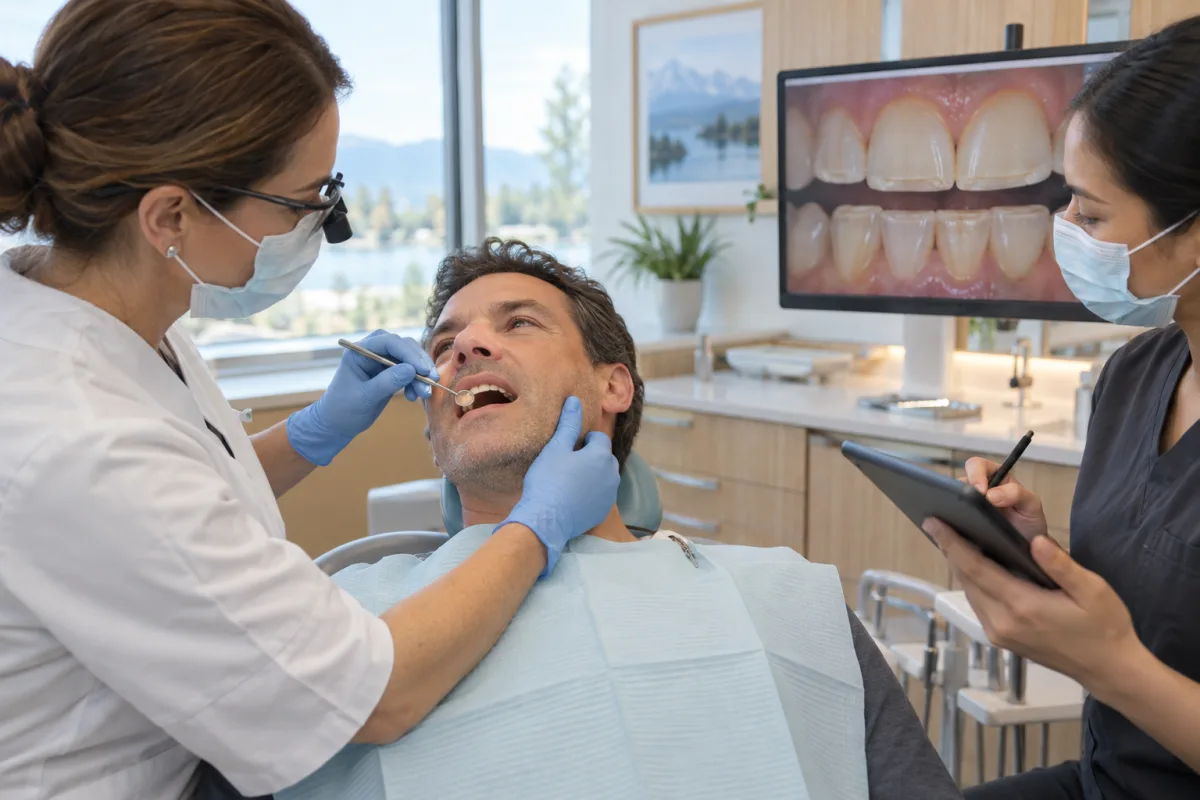
An assessment typically includes checking how the teeth meet, the pattern and extent of wear, the jaw joints and the chewing muscles. Photos or records may help track changes over time. The dentist will ask about pain, clicking and how wide you can open, since these help separate bruxism from other jaw problems.
Stress, sleep quality, caffeine, some medicines and certain sleep-related breathing problems have been associated with grinding. If symptoms such as loud snoring, gasping at night or daytime exhaustion are present, the dentist may suggest speaking with your physician. Bruxism often has more than one influence worth considering.
Treatment options
A custom night guard made from impressions or scans of your teeth is a common way to protect enamel and dental work while you sleep. It does not necessarily stop the habit, but it can absorb much of the force. The dentist will explain the type of guard suggested and how its fit will be checked.
For daytime clenching, simple awareness cues and relaxing the jaw with lips together and teeth apart can help. Teeth that have already chipped or worn may need repair once the forces are being managed. The dentist can discuss whether restoration should wait until protection is in place.
Ongoing care
Clean your night guard as instructed, store it in its case and bring it to checkups so the fit and wear can be inspected. Gentle jaw stretches or warm compresses may be suggested if muscles are sore. Reducing late caffeine and building a calmer bedtime routine helps some people, though results vary.
Regular dental visits allow the team to compare wear over time and adjust the plan if symptoms change. Let us know if the guard feels tight, causes new soreness or cracks. Worsening jaw pain, locking or difficulty opening should be reported sooner rather than waiting for the next routine appointment.
Planning your appointment
Request an appointment at our Port Dover office and mention grinding, clenching or jaw discomfort as the reason. Note any headaches, sleep concerns and recently damaged dental work.
If a partner has heard you grinding at night, ask them what they noticed and bring that information along.
Before you book
Have a question about your situation? Our team can help you plan a visit.
You may not. Clues include morning jaw soreness, headaches, worn or chipped teeth and a partner hearing grinding. A dental examination can identify wear patterns and other signs that suggest bruxism is occurring.
Usually it protects the teeth rather than ending the habit. The guard absorbs much of the force so enamel and dental work suffer less damage. The dentist can explain what to expect from the type recommended.
Stress is commonly associated with clenching and grinding, though other factors can also play a role. Managing stress may help some people, and the dentist can discuss protective steps while those factors are addressed.
Sometimes. Loud snoring, pauses in breathing or daytime fatigue alongside grinding are worth raising with your physician. The dentist can note any signs observed and suggest when medical evaluation would be appropriate.
It depends on the damage. Urgent problems such as fractures may need prompt repair, while broader restoration of worn teeth is often planned after protection is in place. The dentist will explain a sensible order of care.
A custom night guard can protect teeth from overnight clenching. La Salette patients can see how fit is checked in Port Dover and how to clean and store it.
Jaw pain, clicking or limited opening can stem from the TMJ and muscles. La Salette patients can learn how these are assessed and which steps may help.
Recognized year after year
Best Dentists in Norfolk
Proudly recognized among Norfolk’s top-rated dental practices for six consecutive years.

2021 Winner

2022 Winner

2023 Winner

2024 Winner

2025 Winner

2026 Winner
Stories from our patients
Watch a patient’s experience and browse more five-star reviews from people who have visited our Port Dover dental clinic.
Patient video
A patient shares the welcoming atmosphere and positive experience they found at our Port Dover office.
Google reviews
Swipe or use the arrows
Read all reviewsYour next visit can start today
New patients and CDCP patients are welcome. Tell us how we can help and our Port Dover dental team will follow up with you.
Evening appointments Monday and Tuesday