
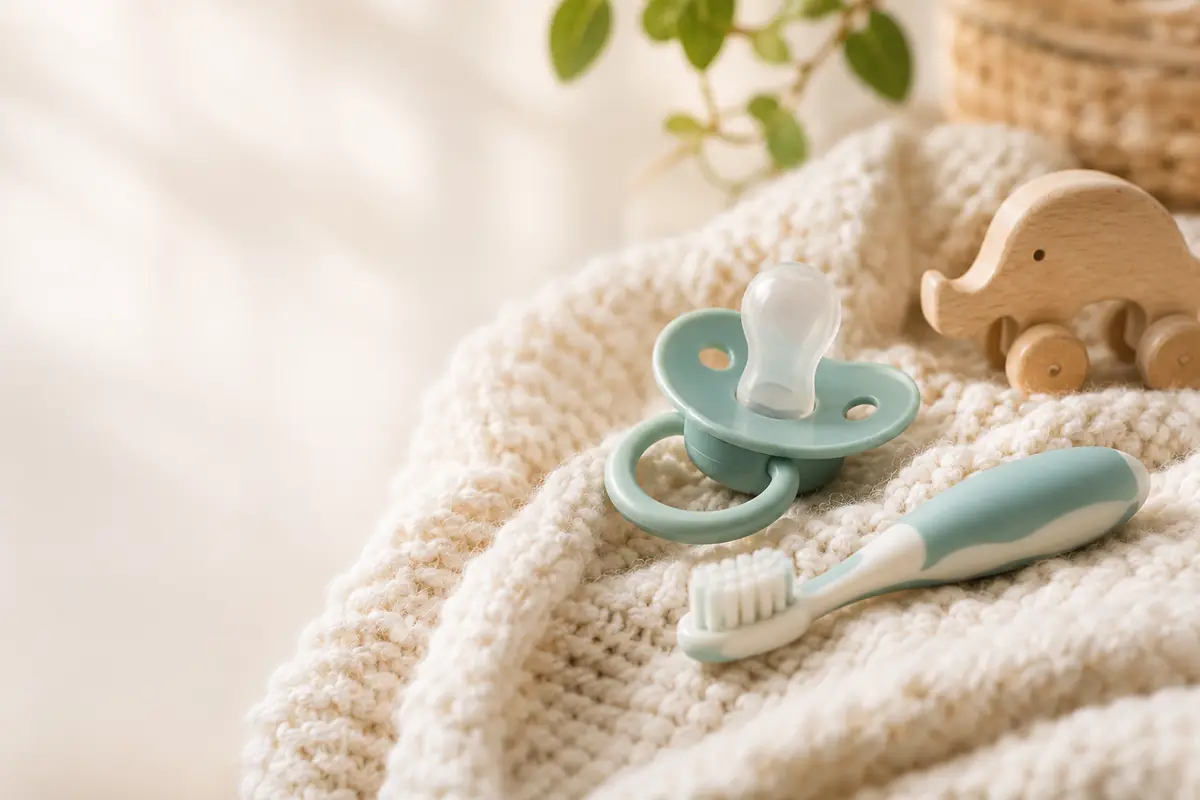
Sucking is one of the first skills a baby has. Many infants are seen sucking their thumbs on prenatal ultrasound, and after birth the same reflex helps them feed, settle and fall asleep. A thumb in the mouth at bedtime or a soother during a long car ride is completely normal in the early years.
Questions about thumb sucking and pacifiers in Port Dover usually come up a little later, when a grandparent mentions the teeth or a preschool teacher notices the habit. Parents want to know whether it is harming anything, when it should end and how to help without turning it into a battle. The answers depend on the child’s age, the type of habit and what is happening to the teeth.
Why children suck and why it is comforting
Non-nutritive sucking, which simply means sucking when not feeding, is calming. It can lower a baby’s distress and help them move between sleep cycles. For toddlers and preschoolers, the habit often becomes linked to tiredness, boredom, stress or familiar situations such as watching a show or being tucked in.
Understanding that comfort function is important. A child who sucks a thumb is not being defiant. Removing a source of comfort without offering anything in its place tends to cause frustration for everyone and may make the habit more persistent.
When the habit usually fades
Most children give up sucking habits on their own. The ADA’s guidance on thumbsucking notes that children usually stop between the ages of two and four. Canadian public health guidance on children’s oral health suggests trying to stop before the permanent teeth come in, because prolonged sucking can change the shape of the mouth and the position of the teeth.
Those two reference points give a practical frame. Under about age two, the habit is rarely worth worrying about. Between two and four, gentle encouragement can start, especially if you notice changes in the teeth. As the permanent front teeth approach, usually around ages six to seven, it becomes more important to help a child move on.
How sucking can affect teeth and jaws
The effect depends on intensity, frequency and duration, sometimes called the “three Ds” of habits. A child who rests a thumb loosely in the mouth while drifting off is different from one who sucks vigorously for hours a day, with audible popping and a wrinkled, calloused thumb.
When the habit is strong and long-lasting, possible changes include:
- an anterior open bite, where the front teeth do not meet when the back teeth are together;
- flaring of the upper front teeth and tipping back of the lower ones;
- narrowing of the upper arch, sometimes leading to a back-tooth crossbite; and
- changes in tongue position and swallowing, which can reinforce the open bite.
Many of these changes are limited to the baby teeth and may improve once the habit ends. The risk of lasting effects rises when sucking continues as the permanent incisors and first molars come in.
Soothers versus thumbs
Parents sometimes ask which is “better.” Each has trade-offs. A soother can be weaned on the parent’s timeline, and many children give it up earlier than a thumb habit. Prolonged soother use is still associated with bite changes, and frequent use is sometimes linked to ear infections in young children, which is a question for your physician.
A thumb or finger is always available, which makes the habit harder to end and lets it continue unnoticed at night. On the other hand, a child can be more directly involved in stopping a thumb habit once they are old enough to understand the goal.
Whichever your child uses, the aim is not perfection in the toddler years but a gradual reduction as they approach school age.
Safe soother habits for babies and toddlers
If your child uses a soother, a few practical points help protect both teeth and safety:
- Choose a one-piece soother sized for your child’s age and check it often for tears or weakness.
- Replace soothers that are cracked, sticky or worn.
- Never tie a soother around the neck or attach it with a long cord.
- Do not dip a soother in honey, syrup, juice or sugar. Sweeteners feed the bacteria that cause decay, and honey is not safe for babies under one year.
- Avoid “cleaning” a soother in your own mouth, which can pass cavity-causing bacteria to the baby.
Sugar on a soother can contribute to decay of the upper front teeth in the same way a bedtime bottle can. Our article on baby bottle tooth decay in Port Dover explains that process in more detail.
Encouraging a preschooler to stop
Pressure and shame rarely work and can make a child suck more for comfort. Approaches that tend to help focus on noticing, replacing and praising.
Notice the triggers. Keep a mental note of when the habit appears. If it happens mostly during screen time or car rides, give the hands something to do, such as a small toy, a stress ball or a book.
Offer alternative comfort. A favourite stuffed animal, a cuddle, a back rub at bedtime or a calming routine can replace some of what the habit provided.
Praise the effort, not just the result. Children respond well to recognition for trying. A simple sticker chart for habit-free afternoons or nights can make progress visible.
Keep reminders gentle. A quiet signal that you agree on together is kinder than repeatedly pulling a thumb out of the mouth.
Pick a calm time. Starting a habit-breaking plan during a big change, such as a new sibling, a move or the first weeks of school, is harder. Wait for a steadier period when you can.
Weaning off a soother
Many families reduce soother use step by step. First limit it to sleep times, then to bedtime only, then remove it. Some children respond well to a ritual, such as giving the soothers to a new baby in the family or trading them for a small gift. Others do better with a clear, planned date.
Expect a few difficult nights. Consistency is usually more important than which method you choose. If sleep problems persist for weeks, talk with your child’s physician for broader sleep advice.
Helping an older child who wants to stop
By about age five or six, many children can take an active role. Talk about why stopping helps their teeth in simple terms, and let them suggest ideas. A child who chooses a reminder is more likely to use it.
Options some families find helpful include a soft glove or sock at night, a bandage on the favourite thumb as a reminder, or an over-the-counter bitter-tasting nail coating. These are tools to support a willing child, not penalties. Check product labels and ask your pharmacist, physician or dentist before using anything on young skin, and stop if irritation develops.
Hearing a dentist explain the reason can also carry weight. Children sometimes listen to a calm, friendly explanation from someone outside the family more readily than to repeated reminders at home.
When a dentist may suggest more help
If a sucking habit continues as the permanent teeth erupt and is clearly affecting the bite, your dentist may discuss further options. Our team provides thumb-sucking and oral habit guidance to help families plan a gentle approach. In some cases a habit-reminder appliance placed in the mouth may be discussed, usually only when the child is motivated and other approaches have not worked. This is a decision made together with the family, never sprung on a child.
Persistent habits that have already changed the bite may lead to an orthodontic evaluation. Our article on early orthodontic assessment in Port Dover explains what that involves and why monitoring is often the first step.
Related habits worth mentioning to your dentist
Thumbs and soothers are the best known, but other habits can influence the teeth too. Lip sucking or biting, chewing on sleeves or pencils, nail biting, tongue thrusting and persistent mouth breathing are all worth mentioning at a dental visit. Teeth grinding at night is also common in children and is usually monitored rather than treated.
If your child snores loudly, breathes through the mouth most of the time or seems to stop breathing briefly in sleep, raise it with your physician. These signs deserve medical assessment in their own right.
What happens at a dental visit
At a routine check, the dentist looks at how the front and back teeth meet, the shape of the upper arch and any signs of habit-related changes. They may ask when and how often the habit happens, whether a soother or thumb is involved and how your child sleeps. Bring up any concerns you have, even if they feel minor.
You will usually leave with one of three messages: no changes so far, early changes that should improve if the habit ends, or changes that need monitoring or further assessment. Each comes with practical suggestions suited to your child’s age and temperament.
Regular check-ups starting by the first birthday make these conversations easy and ongoing. If your little one has not been yet, our guide to a child’s first dental visit in Port Dover covers what to expect.
Signs that need prompt attention
Sucking habits are rarely urgent. Call the office promptly, however, if you notice a broken or very loose tooth, bleeding or swelling of the gums, a sore that does not heal within about two weeks, or redness and swelling around a thumbnail that could suggest infection. Skin infections around the nail should also be checked by a physician or pharmacist.
Any facial swelling with fever, or difficulty breathing or swallowing, requires emergency medical care.
Frequently asked questions
Is a soother better for teeth than a thumb?
Neither is harmless if the habit continues for years, but a soother can be taken away gradually, while a thumb is always available. Both are normal in babies. What matters most is how often, how long and how forcefully the child sucks, and whether the habit continues once permanent teeth arrive.
Will my child’s teeth straighten once the habit stops?
Changes in the baby teeth often improve after a habit ends, especially if it stops before the permanent front teeth come in. Longer-lasting habits can contribute to bite changes that need monitoring or treatment, so ask your dentist to check the bite.
Should I use bitter nail polish or a thumb guard?
Some families find these reminders helpful for an older child who wants to stop. They work best with the child’s cooperation and alongside praise, not as a punishment. Ask your dentist or physician before using any product, and stop if it causes skin irritation or distress.
Getting friendly support in Port Dover
A habit that feels stubborn at home often becomes more manageable with a plan that suits your child. Our team can check the bite, answer your questions and suggest next steps without judgement. Find us at 697 Norfolk County Hwy 6, Unit 2, Port Dover, call 519-583-2929 or request an appointment. For routine visits that help children feel at ease, see our page on teeth cleanings for kids.
About the author
Port Dover Family Dentistry Team
Our team provides family-focused dental care in Port Dover, Ontario. We create practical oral-health education to help patients ask informed questions and feel more confident about care. This article is general information and does not replace an examination or personalized diagnosis.





