
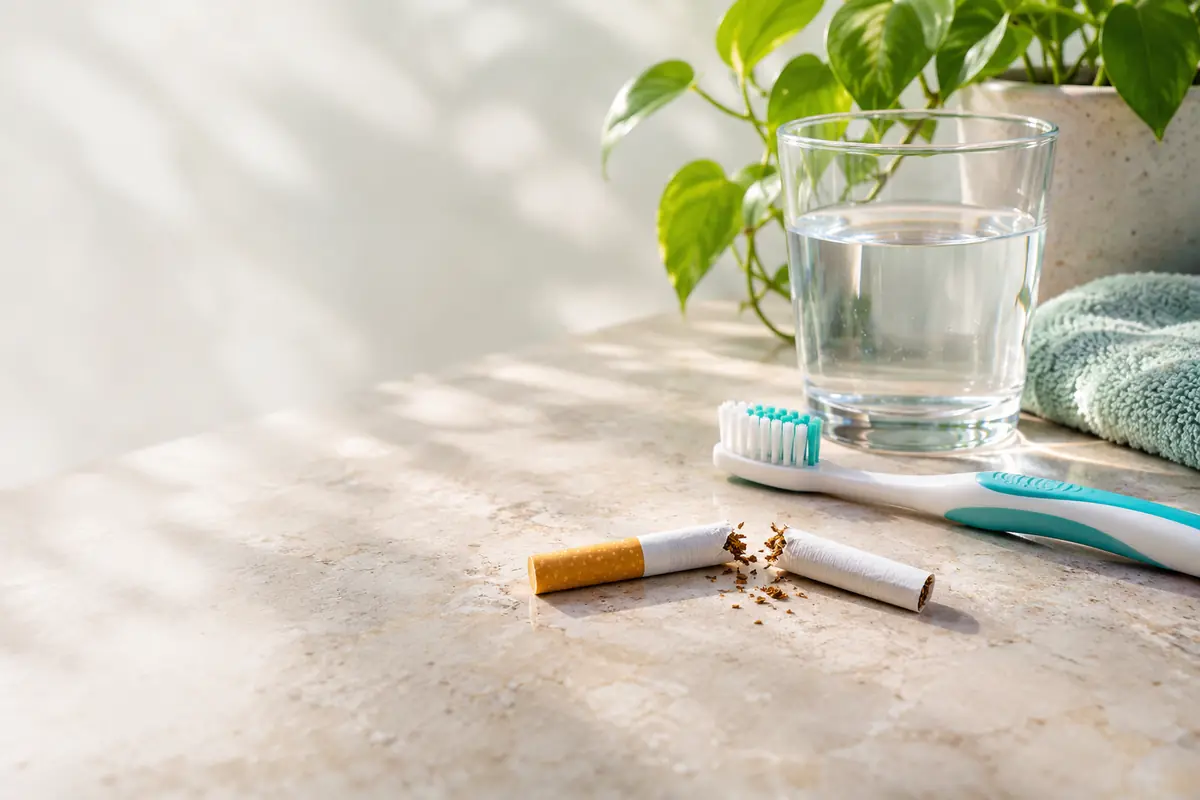
One of the more surprising things people report after quitting cigarettes is that their gums start to bleed. It can feel like a cruel joke: you finally do something good for your health and your mouth seems to object. In fact, that bleeding is often a sign that the gums are getting their normal blood supply back, and it makes sense once you understand what smoking was hiding.
This article walks through what usually changes when you are quitting smoking in Port Dover, from the first days to the longer term, and how dental care fits into the process. It covers cigarettes mainly, but much of it also applies to cigars, pipes and chewing tobacco. Everyone’s experience differs, so treat the timeline as a general guide rather than a promise.
What smoking does to the mouth
Tobacco smoke affects nearly every tissue it touches. Nicotine narrows blood vessels, reducing blood flow to the gums. Heat and chemicals irritate the lining of the mouth. Tar and other compounds stain enamel, fillings and dentures. Saliva flow and quality can change, and the sense of taste and smell becomes dulled.
Over time, smokers have a higher risk of gum disease and of losing teeth to it. Healing after extractions, gum treatment and implant surgery is often slower, and complications such as dry socket are more common. Smoking is also a major risk factor for cancers of the mouth and throat. The ADA’s MouthHealthy page on smoking summarizes these effects and notes that quitting is the best way to protect both dental and general health.
None of this means damage is inevitable or that a long-time smoker’s mouth cannot improve. It means the mouth has a lot to gain from stopping.
The first few days
Within days, many people notice that food tastes stronger and smells are sharper. Breath may improve, although it can take time for the lingering tobacco smell to fade from the mouth, clothing and car.
Cravings and nicotine withdrawal often peak early. Some people chew more, snack more or grind their teeth during stressful moments. A dry mouth, an altered taste or a mild cough can also appear as the body adjusts. Drinking water regularly and chewing sugar-free gum can help with dryness and give the mouth something to do.
If you are using nicotine replacement such as gum, lozenges or a mouth spray, follow the product directions closely. Nicotine gum is chewed briefly and then “parked” against the cheek, which is different from ordinary gum. Some people notice jaw ache, hiccups or mouth irritation from these products, which a pharmacist can help troubleshoot.
Weeks to months: why the gums may look worse
Smoking does not prevent gum disease. It disguises it. Because nicotine restricts blood flow, gums in smokers often look pale and firm and bleed less when brushed, even when there is significant inflammation and pocketing underneath. People can be surprised to learn they have periodontal disease when their gums “never bleed.”
After quitting, circulation improves. The gums can become redder and bleed more easily for a while, simply because the inflammation that was already there is now behaving normally. This is the point at which many people stop flossing, thinking they are hurting themselves. Keep going, gently.
Bleeding that continues for more than a couple of weeks of good home care, gums that are swollen or tender, or teeth that feel loose are signs to book an examination. A professional cleaning removes the hardened deposits that keep inflammation going. Our article on gum disease prevention explains how home care and professional visits work together.
Longer term: what tends to improve
Research has consistently found that former smokers have a lower risk of periodontal disease progression than current smokers, and that the gap tends to grow the longer someone stays tobacco-free. Gums often respond better to periodontal treatment after quitting. Healing after procedures generally becomes more predictable.
The risk of oral cancer also falls over time after quitting, although it may take many years to approach that of someone who never smoked, and alcohol use, sun exposure on the lips and some viral infections remain separate risk factors. This is one reason regular examinations that include a check of the soft tissues continue to matter. Our guide to oral cancer screening describes what that check involves.
Damage that has already happened, such as bone loss around teeth or gum recession, does not usually reverse on its own. Quitting slows or stops further damage, and the dental team can talk about whether treatment is needed for what remains.
Stains, tartar and the colour of your teeth
Tobacco stains are among the most visible signs of smoking. Brown or yellow deposits build up on enamel, especially near the gumline and on the backs of lower front teeth, and they cling to tartar. Fillings, crowns and dentures can also discolour.
A professional cleaning often removes a lot of surface staining. After that, brushing twice daily with fluoride toothpaste helps prevent new build-up. Whitening toothpastes may help with light surface stains, but they cannot change the internal colour of a tooth and can be abrasive if overused.
Some discolouration is deeper. Years of staining, age-related darkening of dentin, old tooth-coloured fillings that absorbed pigment and enamel cracks can all affect colour. Professional teeth whitening may be an option once the gums are healthy and decay has been treated, but it does not change the colour of fillings or crowns, and results vary. It is sensible to wait until you are confident you have quit before investing in cosmetic work, since smoking will re-stain teeth quickly.
Breath, taste and dry mouth
Smoker’s breath comes partly from the smoke itself and partly from its effects on the mouth: dryness, gum disease and a coated tongue. When you quit, the direct smell disappears relatively quickly. If bad breath persists, look for other causes, such as plaque on the tongue, gum pockets, decay or reduced saliva from medicines.
Cleaning the tongue gently each day, staying hydrated and keeping up with flossing usually help. If your mouth feels dry, sip water often, choose sugar-free gum or lozenges and limit alcohol and caffeine where you can. Persistent dryness deserves a mention at your next visit, especially if you take medicines known to reduce saliva.
Watch the snacks that replace cigarettes
Many people replace the hand-to-mouth habit with snacks, mints or sweet drinks. That is understandable, but frequent sugar exposure is one of the main drivers of tooth decay. The number of times teeth are exposed to sugar across the day matters more than the total amount.
Try crunchy vegetables, unsweetened popcorn if your teeth tolerate it, cheese, plain nuts or sugar-free gum with xylitol. Carry water. If you find yourself working through a bag of hard candies or sipping a sweet coffee all day, it may be worth adjusting before new cavities appear. Chewing on pens, ice or toothpicks to keep your hands busy can chip teeth and damage fillings, so choose alternatives that are kind to enamel.
Switching to vaping or other nicotine products
Some people use e-cigarettes as a step away from smoking. Vaping exposes the mouth to fewer combustion products than cigarettes, but it is not harmless. Nicotine still affects blood flow to the gums, many liquids contain sweet flavourings and propylene glycol that can dry the mouth, and the long-term effects on oral tissues are still being studied.
Nicotine pouches and chewing tobacco also sit directly against the gums and can cause irritation, recession and, with some products, changes in the lining of the mouth. If you use any of these, tell your dentist so they can examine those areas. Our article on vaping and oral health looks at the topic in more detail.
Support makes quitting more likely to stick
Most people make several attempts before they quit for good, and that is normal. Combining support with medication approaches generally improves the odds compared with willpower alone. Options include nicotine replacement therapy, prescription medications and counselling by phone, text or in person.
Your family physician, nurse practitioner or pharmacist can explain which products and medicines are appropriate for you, especially if you have heart disease, are pregnant or take other medicines. The Government of Canada’s Quit with Confidence resource offers help with deciding to quit and links to provincial and territorial quit services.
Think about the moments when you usually smoked: the first coffee, the drive along Highway 6, a break during farm or shift work, an evening by the lake. Planning a replacement for those specific moments, such as a walk, a glass of water or a piece of sugar-free gum, often helps more than general resolve.
Dental visits are a natural point of contact, too. Your dentist or hygienist can talk about what they see in your mouth, encourage your progress and point you to support. You will not be lectured for slips. A relapse is information, not failure.
What a dental visit can offer now
If you have recently quit, or are planning to, a checkup is a good opportunity to set a baseline. The examination may include:
- a review of your medical history and the tobacco products you used;
- measurement of gum pockets and bleeding;
- X-rays where appropriate to check bone levels and hidden decay;
- a check of the lips, tongue, cheeks, palate and throat; and
- a cleaning to remove tartar and staining.
From there, the team can recommend a maintenance schedule. People with a history of gum disease often benefit from more frequent cleanings at first. As things stabilize, that interval can be reviewed.
Daily care while your mouth recovers
Brush twice a day for two minutes with a soft brush and fluoride toothpaste, angling the bristles toward the gumline. Clean between your teeth once a day with floss or interdental brushes. Use a tongue scraper or your brush on the top of the tongue. Replace your toothbrush every three months or sooner if bristles are splayed.
Be patient. It can take a few weeks of consistent cleaning for bleeding to settle. If brushing hurts, check that you are not scrubbing too hard and that the brush is soft. Ask the hygienist to show you technique on a model or in your own mouth.
Signs that need prompt attention
Whether or not you have quit, book an examination if you notice a sore, ulcer or rough patch in the mouth or on the lip that does not heal within about two weeks, a white or red patch, a lump, persistent hoarseness, numbness or difficulty chewing or swallowing. These are often caused by something minor, but they should be checked.
Swelling of the face or jaw with fever, or swelling that spreads toward the eye or neck, needs urgent dental or medical care. Trouble breathing or swallowing requires emergency care right away.
Frequently asked questions
Why do my gums bleed more since I quit smoking?
Smoking narrows blood vessels and can hide gum inflammation. After quitting, circulation to the gums improves and existing inflammation may become visible as bleeding. It is a reason to book a cleaning and keep brushing gently, not a sign that quitting is harming you.
Will my teeth go back to their original colour after I quit?
Surface tobacco stains can often be reduced with professional cleaning and good daily care. Some discolouration sits deeper in the tooth or in old fillings and may not fully lift. Your dentist can explain which options suit the type of staining you have.
Is it too late to benefit if I have smoked for decades?
No. Quitting at any age is linked with health benefits, including for the gums and the risk of oral cancer over time. Damage that has already happened may need treatment, but stopping reduces further harm and can improve how the mouth responds to care.
Make your smoke-free smile part of the plan
Quitting is hard work, and your mouth is one of the first places to show the results. If you would like a fresh baseline, a cleaning or a check of anything that concerns you, come and see us at 697 Norfolk County Hwy 6, Unit 2, Port Dover. Call 519-583-2929 or request an appointment. Our team also provides oral cancer screening as part of routine examinations for current and former smokers alike.
About the author
Port Dover Family Dentistry Team
Our team provides family-focused dental care in Port Dover, Ontario. We create practical oral-health education to help patients ask informed questions and feel more confident about care. This article is general information and does not replace an examination or personalized diagnosis.





