
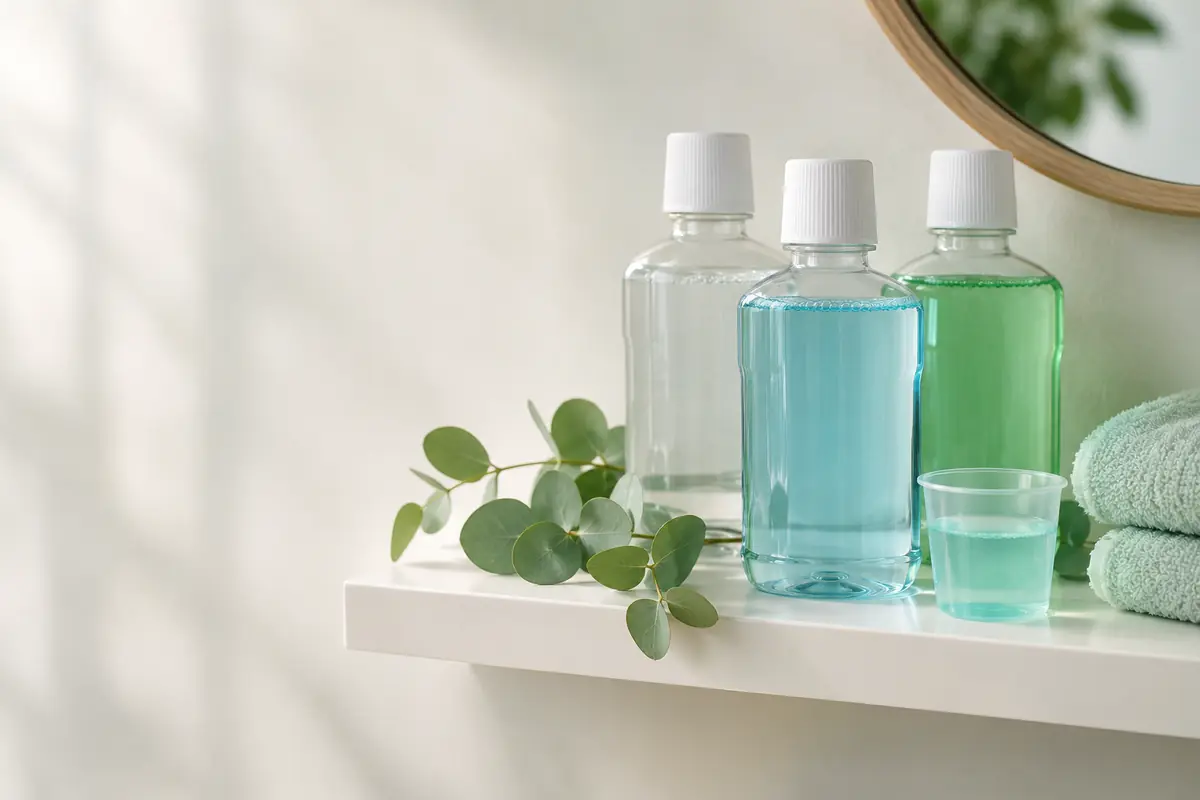
The rinse aisle at a pharmacy can look like a wall of promises: whiter teeth, fresher breath, stronger enamel, healthier gums. Bottles come in blue, green, clear and amber, and many carry claims that sound alike. Yet the liquids inside can be quite different, and some do very little beyond leaving a pleasant taste for an hour or so.
Choosing a mouthwash in Port Dover becomes much simpler once you know what you want it to accomplish. A rinse is a tool for a particular job. If you are prone to cavities, the job is different than if your gums bleed, your mouth feels dry or you simply want to feel fresh before a meeting. And for plenty of people with healthy mouths and good daily habits, the honest answer is that a rinse is optional.
This guide explains the main categories, how to read a label, which situations call for caution and where a mouthwash fits into a routine that is already built on brushing and cleaning between teeth.
What a mouthwash can and cannot do
A rinse reaches surfaces in a liquid form, so it can wash around the teeth, tongue, cheeks and gums at once. Depending on its ingredients, it may deliver fluoride to enamel, reduce some bacteria for a period of time, or temporarily mask odours.
What a rinse cannot do is physically remove the sticky film of plaque that clings to teeth. Plaque is organised into a biofilm, and the most reliable way to disturb it is mechanical: a toothbrush on the outer, inner and chewing surfaces, and floss, interdental brushes or another tool between teeth. Swishing a liquid over an undisturbed biofilm has a limited effect on the bacteria inside it.
The American Dental Association’s consumer site, MouthHealthy, describes mouthwash as something that can complement brushing and flossing but not replace them. That is the right frame for every decision that follows.
Cosmetic versus therapeutic rinses
It helps to sort products into two broad groups.
Cosmetic rinses are designed mainly to make the mouth taste and smell better for a while. They may contain flavouring, colour and a small amount of a mild antibacterial ingredient, but they are not intended to reduce cavities or treat gum inflammation. If breath odour returns quickly after rinsing, that is a sign the source of the smell has not been addressed.
Therapeutic rinses contain an active ingredient intended to produce a health effect. Common examples include fluoride for cavity prevention, cetylpyridinium chloride or essential-oil formulations aimed at plaque and gingivitis, and prescription-strength products that a dentist may recommend for a limited period. Therapeutic products usually list their active ingredient and its concentration separately from the other ingredients on the label.
Neither group is a cure for an existing problem. A cavity still needs to be assessed, and established gum disease needs professional care. But a well-chosen therapeutic rinse can support a prevention plan.
Fluoride rinses for higher cavity risk
Fluoride helps enamel resist acid and can help repair very early mineral loss before a cavity forms. Most Canadians already get fluoride from toothpaste, and some communities also have fluoridated drinking water. Health Canada’s overview of fluoride and oral health explains how fluoride contributes to preventing tooth decay.
A daily fluoride rinse may be suggested when cavity risk is higher than average. That can include people with frequent new cavities, exposed root surfaces from gum recession, braces or other appliances that trap plaque, reduced saliva, or a diet with frequent sugar or acid exposure. Older adults with many crowns and fillings may also have more edges where decay can start.
Timing matters. If you rinse with water or a fluoride mouthwash immediately after brushing, you may wash away the more concentrated fluoride left by your toothpaste. Some dental professionals suggest using a fluoride rinse at a different time of day, such as after lunch, and avoiding eating or drinking for a short time afterward. Ask your team what schedule makes sense for you, and follow the product directions.
Fluoride rinses are not a substitute for professional fluoride varnish when that is recommended. Your hygienist can explain how in-office fluoride and daily products work together for your level of risk.
Antiseptic and antiplaque rinses for gums
Gingivitis, the early, reversible stage of gum inflammation, often shows up as bleeding when brushing or flossing. Some over-the-counter rinses have been studied for reducing plaque and gingivitis when used along with regular brushing and flossing. Examples include certain essential-oil and cetylpyridinium chloride formulations.
These can be useful for a person who is working to improve their gums, or who has trouble cleaning thoroughly because of dexterity limits, an appliance or a busy household routine. However, if your gums bleed, a rinse should not be the first or only response. Bleeding is information. It often points to plaque left along the gumline, and sometimes to deeper gum disease, which no rinse can reach.
Chlorhexidine is a stronger antiseptic that is generally available by prescription in Canada. Dentists sometimes recommend it for a short period, for example after certain gum procedures or when infection risk is temporarily higher. It can stain teeth and fillings brown, alter taste for a while and increase tartar buildup, so it is not usually intended for indefinite use without guidance.
If you are concerned about your gums, a professional examination can check whether pockets have developed around the teeth. Our gum disease treatment page explains how care is planned once the problem is measured.
Alcohol or alcohol-free?
Many traditional rinses contain alcohol as a solvent, which can produce a sharp burning sensation. Alcohol-free formulas have become widely available, and in many cases they contain the same type of active ingredient.
Choosing an alcohol-free product is reasonable for:
- people with dry mouth, which can be worsened by drying products;
- anyone with sensitive or irritated tissues, mouth sores or recent oral surgery, unless a dentist directs otherwise;
- people recovering from alcohol use or who avoid alcohol for personal, religious or medical reasons;
- those taking medicines that interact with alcohol; and
- households with children, where accidental swallowing is a concern.
Research on alcohol-containing mouthwash and oral cancer has produced mixed findings, and the evidence is not settled. Rather than worrying over that debate, many people simply choose an alcohol-free product when an equivalent is available. If you use tobacco or drink alcohol regularly, discussing your overall oral cancer risk with your dental team is more important than the bottle you buy; a routine screening is part of a dental examination.
Rinses for dry mouth
A dry mouth is uncomfortable, and it also raises the risk of cavities because saliva normally washes away food, neutralises acids and supplies minerals to enamel. Many common medicines can reduce saliva, including some for blood pressure, allergies, mood and sleep.
Products designed for dry mouth tend to be alcohol-free and may contain ingredients that coat and moisten the tissues. They can offer short-term relief but do not restore saliva production. Because a dry mouth often needs a broader plan, including fluoride, diet changes and sometimes a conversation with your physician or pharmacist about medications, it is worth reading our guide to dry mouth in Norfolk County before relying on a rinse alone.
Whitening and sensitivity rinses
Some rinses claim to whiten teeth. Their contact time is short and the concentration of any whitening agent is limited, so results tend to be modest compared with professionally supervised whitening. They can also make sensitive teeth feel worse for some people. If colour is your main concern, it is better to find out why your teeth are discoloured first, since some stains will not respond to peroxide at all.
Rinses for sensitivity usually contain ingredients similar to those in desensitising toothpaste. They may help a little, but new or sharp sensitivity should be assessed in case it reflects a cavity, a crack, a worn filling or exposed root surface.
When mouthwash is hiding a problem
Breath odour is the most common reason people reach for a rinse, and it is also the situation where mouthwash most often masks a cause. Persistent bad breath can come from bacteria on the back of the tongue, gum disease, food trapped around a broken filling or crowded teeth, dry mouth, an infected tooth, or sometimes a medical issue such as sinus or reflux problems.
If you find yourself needing a rinse several times a day just to feel confident, that pattern deserves attention. A dental exam can rule out tooth and gum sources, and we can talk about tongue cleaning and other measures. Our article on bad breath in Port Dover goes deeper into causes and when a medical referral may be appropriate.
Other signs that should not be rinsed away include a sore that has not healed in about two weeks, a white or red patch, a lump, swelling, a bad taste with pus, or pain when biting. Those need an examination rather than a stronger product.
Using a rinse correctly
If you and your dental team decide a rinse is worthwhile, a few habits help it work as intended:
- Measure the amount on the label rather than guessing, and swish for the recommended time.
- Spit it out; do not swallow it.
- Follow directions about eating and drinking afterward, especially for fluoride rinses.
- Keep bottles out of reach of young children and store them away from heat.
- Stop and seek advice if you develop burning, peeling tissue, a rash, swelling or unusual staining.
People with a summer cottage near Turkey Point or a fishing boat at the harbour sometimes keep a spare travel-size bottle in a bag. That is fine for freshness on the go, but it is not a replacement for brushing once you are back home. A travel toothbrush and floss picks will do more for your mouth than a rinse alone.
Children and mouthwash
Young children often swallow liquids they are asked to spit out, which is why many rinses carry age limits on the label. Swallowing fluoride rinse repeatedly is not desirable for a small child, and alcohol-containing products pose an added risk.
For most children, the priority is helping them brush twice daily with an age-appropriate amount of fluoride toothpaste, limiting sugary drinks and snacks, and attending regular checkups. If your child has a high cavity risk or wears braces, ask whether a supervised fluoride rinse is appropriate and from what age. Professional sealants and varnish are often more practical options for children.
Special situations worth discussing
Certain circumstances change which rinse is safest. Pregnancy can make gums more prone to bleeding, and people who are pregnant may want to check product ingredients with their dental team or pharmacist. Patients undergoing cancer treatment, especially radiation to the head and neck, often receive specific instructions about rinsing, since commercial products can sting damaged tissues. Some people find that certain flavourings or ingredients trigger mouth ulcers or allergic reactions.
If you have recently had a tooth removed, follow your aftercare instructions. Vigorous rinsing too soon can disturb the healing blood clot in the socket, so gentle rinsing with salt water is usually what is suggested after the first day, rather than a commercial product.
How to decide in the aisle
Read the label for the active ingredient first. Ask yourself what problem you are trying to address. If the honest answer is “nothing in particular, I just like the fresh feeling,” a cosmetic rinse is harmless for most adults when used as directed, but it is not doing preventive work. If you want cavity protection, look for fluoride. If you are working on gum inflammation, ask your hygienist which antiplaque option suits you. If your mouth is dry or sensitive, lean toward alcohol-free.
And if you are unsure, bring the bottle you use now to your next cleaning. It is a simple way to get a tailored answer.
Frequently asked questions
Do I need to use mouthwash every day?
Not necessarily. Many people keep their teeth and gums healthy with twice-daily brushing using fluoride toothpaste and daily cleaning between teeth. A rinse may be useful when there is a specific reason, such as higher cavity risk, gum inflammation or dry mouth, and your dental team can tell you whether that applies to you.
Is alcohol-free mouthwash less effective?
Not automatically. Alcohol is mainly a solvent and carrier in many rinses, while the active ingredient does the therapeutic work. Alcohol-free versions with an appropriate active ingredient can be a better fit for people with dry mouth, sensitive tissues, or anyone who should avoid alcohol.
Can children use mouthwash?
Mouthwash is generally not recommended for young children who cannot reliably spit, and many products are labelled for ages six or older. Older children should use a rinse only if a dental professional suggests one, with supervision and the label directions followed.
Get advice matched to your mouth
The best rinse for your neighbour may not be the best one for you. At a routine visit, our team can look at your gums, your cavity history, your saliva and the products you already use, then suggest whether a mouthwash belongs in your routine at all. If it is time for a checkup, our teeth cleanings page explains what a hygiene appointment includes.
Port Dover Family Dentistry is located at 697 Norfolk County Hwy 6, Unit 2, Port Dover. Call 519-583-2929 or request an appointment, and feel free to bring that bottle from your bathroom shelf along with you.
This article is general information and does not replace an individual dental assessment.
About the author
Port Dover Family Dentistry Team
Our team provides family-focused dental care in Port Dover, Ontario. We create practical oral-health education to help patients ask informed questions and feel more confident about care. This article is general information and does not replace an examination or personalized diagnosis.





