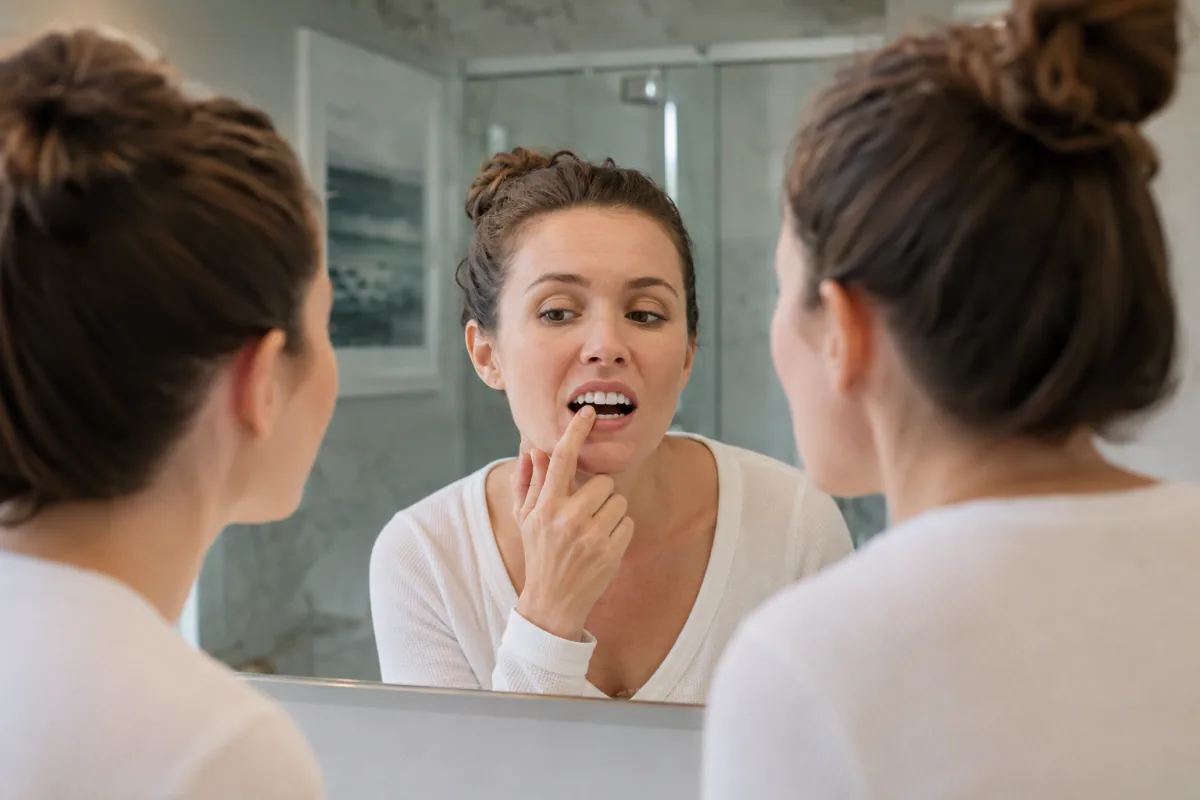
A broken tooth in Port Dover can happen during a meal, a fall on the trail, a game at the arena or without an obvious accident at all. The first look in the mirror does not always reveal how serious it is. A rough corner may be limited to enamel, while a barely visible crack can extend into the nerve or root.
The safest response is calm, practical first aid followed by an assessment matched to the symptoms. This guide explains what people in Port Dover and across Norfolk County can do immediately, which warning signs matter, and how dentists decide whether a tooth needs smoothing, bonding, a crown, root canal treatment or removal.
First steps after a tooth breaks
Stop what you are doing and check for other injuries. A hard impact can affect the lips, jaw, head or neck as well as teeth. If there was loss of consciousness, confusion, vomiting, severe facial trauma, breathing difficulty or uncontrolled bleeding, seek emergency medical help.
For an isolated tooth injury:
- Rinse gently with clean lukewarm water.
- Apply clean gauze with light pressure if the gum or lip is bleeding.
- Use a cold pack outside the cheek for short intervals if swelling begins.
- Find any tooth fragment and keep it moist in milk or saline.
- Avoid chewing on the injured side.
- Call a dental office and describe when it happened, the symptoms and whether the tooth moves.
Do not scrub a fragment, glue it with a household adhesive or file the tooth yourself. Dental materials are designed for the mouth; craft glue and improvised repairs can irritate tissue, contaminate the surface and complicate treatment.
When a broken tooth is urgent
Some fractures can wait for a prompt regular appointment, while others are time-sensitive. Call as soon as possible for:
- moderate or severe pain;
- pain that lingers after cold or heat;
- a large missing piece;
- visible pink or red tissue inside the tooth;
- a loose, displaced or knocked-out permanent tooth;
- bleeding around the tooth;
- pain when biting or releasing;
- swelling, pus, fever or a bad taste; or
- an injury involving a child’s developing teeth.
Go to an emergency department or call 911 for trouble breathing or swallowing, rapidly spreading facial or neck swelling, uncontrolled bleeding, suspected jaw fracture, serious head injury or other life-threatening symptoms. A hospital can stabilize major trauma or spreading infection, but follow-up dental treatment is often still needed to repair or remove the source tooth.
Our dental emergency guide covers other urgent situations and useful information to give the office when you call.
What part of the tooth is broken?
Enamel is the hard outer shell. Beneath it, dentin is softer and communicates with the central pulp through microscopic channels. The pulp contains nerves and blood vessels. A fracture may involve one or all of these layers.
Enamel chip
A small enamel chip may feel sharp without causing sensitivity. Even so, the tooth should be checked for deeper fracture lines, bite interference and the cause of failure. The edge may be polished or restored for comfort and appearance.
Enamel-dentin fracture
When dentin is exposed, the area may look yellow and react to air, sweets or temperature. Covering it promptly reduces sensitivity and contamination. Bonding or a more substantial restoration may be needed.
Fracture involving the pulp
Red or pink tissue, bleeding from the centre of the tooth or pronounced sensitivity can indicate pulp exposure. Timing, root development and contamination influence whether the pulp can be protected or root canal treatment is recommended.
Cusp fracture
Back teeth can lose one or more cusps around a large filling. Pain varies. A filling, onlay or crown may rebuild the tooth depending on how much sound structure remains.
Crack extending below the gum
A deep split or vertical root fracture has a guarded prognosis because bacteria and movement occur below the accessible surface. Some teeth cannot be predictably restored. Early evaluation is important, but even excellent care cannot save every fracture.
Why teeth chip or crack
Trauma is only one cause. Teeth can break when structure has been weakened by:
- a large filling;
- untreated decay;
- repeated grinding or clenching;
- biting ice, kernels, bones or hard candy;
- sudden temperature changes;
- age-related stress lines;
- an uneven or heavy bite;
- loss of supporting tooth structure after root canal treatment; or
- using teeth to open packages or hold objects.
When a tooth breaks on soft food, the food may be the final event rather than the underlying cause. The examination should look for decay, older restorations and force patterns instead of focusing only on the last bite.
How a dentist examines the injury
The dentist listens to the sequence: what hit the tooth, when symptoms began and whether pain occurs with cold, heat, biting or release. The examination looks at the broken surface, gums, tooth mobility, bite and neighbouring teeth.
Tests may include gentle tapping, controlled bite pressure, cold response, light transmission and dental radiographs. X-rays are valuable for roots, bone and certain fractures, but a small crack may not appear. Symptoms can also evolve after trauma, so a tooth that tests normally on the first day may require monitoring.
Photographs and baseline pulp tests are especially useful after an accident. Report any later darkening, swelling, gum pimple, increasing sensitivity or change in bite.
Repair options for a chipped or broken tooth
Treatment is proportional to damage rather than the size of the visible gap alone.
Smoothing and polishing
A minute rough enamel edge may only need conservative smoothing. This does not replace missing contour but can protect the tongue and make the area comfortable.
Dental bonding
Tooth-coloured composite can rebuild small to moderate chips, particularly on front teeth. Dental bonding is conservative and often completed in one visit. It can stain, wear or chip and may need future repair.
Filling or onlay
Smaller fractures in back teeth may be restored with a composite filling. An onlay covers one or more weakened cusps while preserving other sound structure. Suitability depends on moisture control, remaining walls and bite forces.
Dental crown
A dental crown surrounds the prepared tooth and can protect a heavily weakened structure. A crown does not make a tooth indestructible or stop a crack that already extends unfavourably into the root. The underlying tooth and pulp still need assessment.
Root canal treatment
If the pulp is irreversibly inflamed, infected or exposed in a way that cannot be conservatively managed, root canal treatment may remove the damaged tissue and seal the internal space. The tooth often needs a strong final restoration afterward.
Extraction and replacement
A non-restorable split, severe root fracture or decay far below the gum may require dental extraction. Replacement options include an implant, bridge or removable appliance. There is usually time to discuss those choices after immediate pain and infection are managed.
What if a crown or filling broke instead?
Sometimes the missing piece is restorative material rather than tooth. Save a loose crown and bring it with you. Do not use superglue. A temporary dental cement sold for short-term use may be appropriate only if the crown fits passively and the product instructions are followed, but professional advice is preferable.
A lost filling can leave a sharp or sensitive space. Keep it clean, avoid packing aspirin into it and arrange repair. Aspirin held against oral tissue can cause a chemical burn.
If a porcelain veneer chips, the tooth underneath also needs evaluation. Depending on the fracture, polishing, composite repair or veneer replacement may be considered. See our comparison of bonding and veneers.
A knocked-out permanent tooth
Complete avulsion is one of the most time-sensitive dental injuries. Find the tooth and hold only the white crown. If it is dirty, rinse it briefly and gently without scrubbing or removing attached tissue. If the person is alert and cooperative, and you are confident about its position, place it back into the socket and have them hold it with gentle pressure.
If reinsertion is not possible, keep the tooth moist in cold milk or an appropriate tooth-preservation solution and seek immediate dental care. Do not store it dry or wrap it in tissue. Do not replant a baby tooth because doing so may damage the developing permanent successor.
Time outside the socket and the storage conditions strongly affect prognosis. Call while you are arranging transportation so the dental team can prepare.
Broken baby teeth and young permanent teeth
Children need assessment even when the damaged tooth will eventually fall out. Baby-tooth trauma can cause pain, infection or effects near a developing adult tooth. Treatment may range from observation and smoothing to pulp care or extraction.
Newly erupted permanent teeth have immature roots and may have more potential for pulp-preserving treatment. Rapid care can matter. Parents should not assume a front tooth belongs to the baby set based only on age; around the mixed-dentition years, both are present.
Contact the office if a tooth changes colour after injury. Grey or yellow discolouration can have different meanings and should be interpreted with symptoms, examination and follow-up.
Managing pain safely until your visit
Over-the-counter pain relievers may help when taken according to the label and when safe for your age, health, pregnancy status and other medication. A pharmacist can advise if you are uncertain. Do not exceed dosing instructions, combine products with the same ingredient or give aspirin to a child unless a medical professional directs it.
Keep food soft and lukewarm. Avoid very hot, cold, sweet or hard items if they trigger pain. A temporary dental wax can cover a sharp edge that irritates the tongue, but it is not a repair.
Antibiotics do not mend fractures or treat inflamed pulp. They are reserved for selected infections and do not replace dental treatment.
Preventing another fracture
No plan eliminates every accident, but risk can be reduced:
- wear a properly fitted sports mouthguard;
- do not chew ice or use teeth as tools;
- treat active decay before it undermines a cusp;
- have large restorations monitored;
- discuss grinding signs and protective options;
- use a seatbelt and appropriate protective equipment; and
- attend follow-up after trauma even if symptoms settle.
If several teeth keep chipping, the solution may involve dryness, erosion, grinding or bite factors rather than repeatedly patching each edge. A broader assessment can identify the pattern.
Questions to ask before repair
- Is the damage limited to enamel and dentin?
- Does the pulp appear healthy?
- Is there a crack below the gumline?
- How much sound tooth remains?
- What are the conservative and protective options?
- Could the colour or nerve response change later?
- What symptoms should trigger an earlier review?
- Would a mouthguard or night guard reduce future risk?
Help for a broken tooth in Norfolk County
Port Dover Family Dentistry provides assessment and urgent dental care for patients from Port Dover and surrounding Norfolk County communities. Calling early helps the team judge timing, provide safe first-aid instructions and reserve the care the injury may require.
For a broken or chipped tooth, call 519-583-2929 or request an appointment. For breathing difficulty, uncontrolled bleeding, major facial trauma or rapidly spreading swelling, seek emergency medical care.
Frequently asked questions
Can a chipped tooth heal itself?
Enamel does not grow back. Very early mineral loss can reharden, but a piece that has fractured away requires assessment and may need smoothing or restoration.
Why does my tooth hurt only when I release a bite?
Pain on release can occur when a cracked section flexes, although other conditions can feel similar. Avoid chewing on it and arrange an examination; the symptom alone cannot reveal how deep the crack is.
Will every broken tooth need a crown?
No. Tiny chips may be polished or bonded, and some fractures suit a filling or onlay. Crowns are considered when broader coverage is needed. Deep, non-restorable fractures may require extraction instead.
About the author
Port Dover Family Dentistry Team
Our team provides family-focused dental care in Port Dover, Ontario. We create practical oral-health education to help patients ask informed questions and feel more confident about care. This article is general information and does not replace an examination or personalized diagnosis.