A sour taste at night and a sensitive tooth in the morning may seem unrelated. Sometimes they are; sometimes repeated acid exposure connects them. Stomach contents that reach the mouth can affect tooth surfaces, especially when exposure continues unnoticed over time. Understanding acid reflux and teeth in Simcoe means looking at both the source of the acid and the condition of the teeth.
Dental care can identify wear, help protect remaining tooth structure and address discomfort. Medical care assesses reflux and its underlying causes. A useful plan brings those roles together without assuming that a dentist can diagnose a digestive condition from the appearance of a smile alone.
Erosion is different from a cavity
A cavity involves acids produced by bacteria using sugars and other fermentable carbohydrates. Dental erosion involves chemical wear from acids that are not produced by those bacteria. Stomach acid is one potential source; acidic drinks and foods are others.
Both processes can affect the same mouth, and physical wear can add to the damage. For example, a person may have acid exposure along with grinding or aggressive brushing. That combination helps explain why a single product may not resolve the problem.
The ADA’s dental-erosion overview identifies gastric and dietary acids as contributors to erosive tooth wear. The source, frequency and duration of exposure matter when planning prevention and treatment.
Changes you might notice
Teeth may become more sensitive to temperature or develop smoother, rounded contours. Edges can look thinner or more translucent. Small depressions may appear on chewing surfaces, and existing fillings may seem to stand above the surrounding worn tooth.
These observations are clues, not a home diagnosis. A chipped edge might reflect a bite problem, while a yellow appearance may have several explanations. Lighting and photographs can also make a surface look different from one day to another.
Pay attention to change over time rather than repeatedly checking for perfection. If your teeth feel different, mention the pattern at an appointment: which teeth, what triggers the sensation and whether it is getting worse. Persistent one-tooth pain should be investigated separately rather than attributed automatically to reflux.
Reflux does not always feel like obvious heartburn
Some people describe regurgitation, an acidic taste or symptoms that occur after lying down. Others have throat symptoms or little classic heartburn. These symptoms also have other possible causes, so medical assessment is important.
The NIDDK’s reflux symptom guidance explains that reflux symptoms vary and that certain symptoms, including difficulty swallowing or signs of gastrointestinal bleeding, need medical attention. Do not use dental changes as a reason to self-prescribe long-term reflux treatment.
If a dentist notices a pattern consistent with acid exposure, they may recommend discussing it with your medical provider. That recommendation is a useful lead, not a confirmed diagnosis. Bring the dental findings to the medical conversation so both teams can consider the same history.
What the dental assessment involves
The dentist examines the distribution of wear, existing restorations, sensitivity and signs of other disease. They may ask about beverages, vomiting, reflux symptoms, medicines, dry mouth and habits such as grinding. These questions help separate overlapping contributors.
Photographs, scans or other records may be useful for tracking change. An X-ray can answer certain questions about teeth and supporting structures, but it does not replace direct assessment of surface wear. The choice of records depends on the clinical situation.
Ask whether the changes appear active and what evidence would indicate progression. A baseline makes later comparisons more meaningful than trying to remember whether an edge looked thinner six months earlier. Monitoring can be appropriate when paired with a clear preventive plan and follow-up.
What to do after acid reaches the mouth
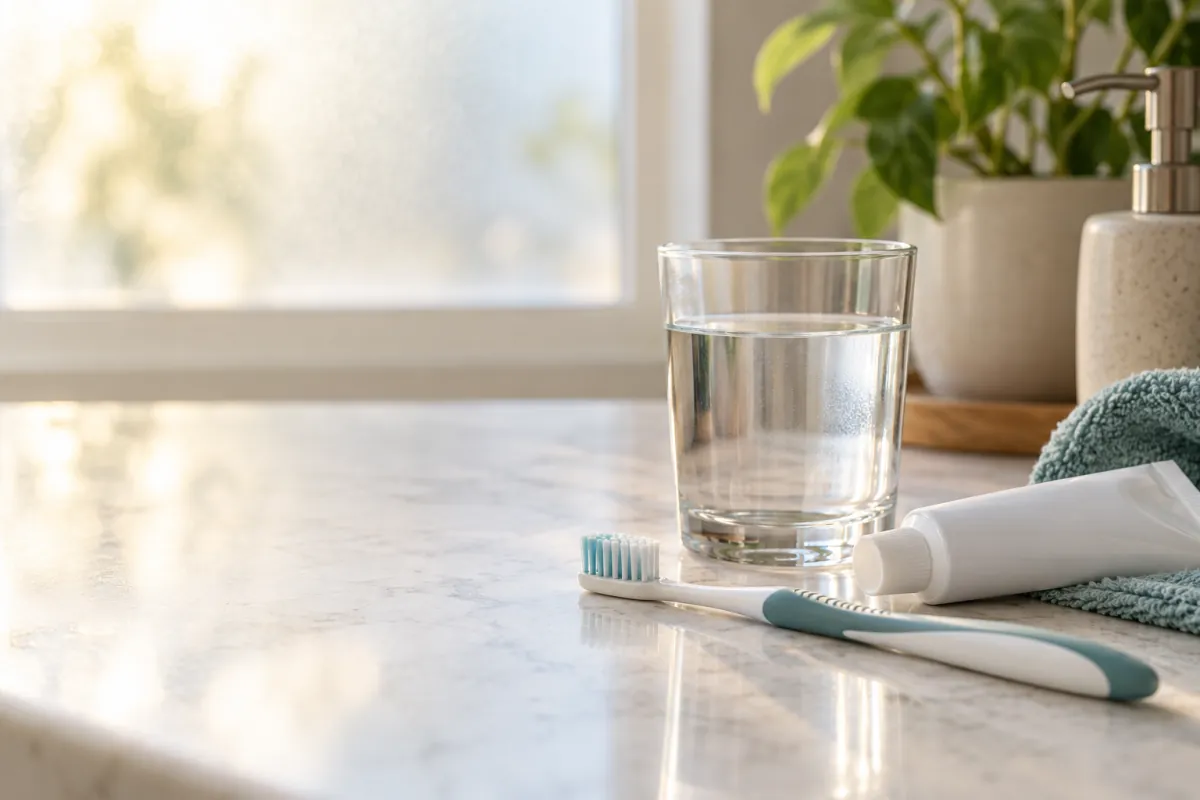
Rinse gently with plain water and spit it out. Avoid brushing immediately after an acidic episode, because the surface may be temporarily softened. Your dentist can help you choose a practical interval and routine that still allows thorough twice-daily brushing.
Do not try to remove the taste with lemon juice, vinegar or another acidic home remedy. Strong scrubbing and abrasive powders can also add unnecessary wear. A fresh taste is not the same thing as a protected tooth surface.
If episodes are frequent, seek medical advice rather than relying on rinsing alone. Dental measures reduce the consequences of exposure but do not treat the source. Repeated vomiting, difficulty staying hydrated or worsening symptoms warrants prompt contact with a medical professional.
Choose a brushing routine that protects remaining structure
Use a soft brush and fluoride toothpaste. Focus on complete coverage with light pressure, especially around exposed roots or sensitive areas. Replace a brush with worn or splayed bristles, and consider whether a pressure sensor or different grip would help if you habitually scrub.
A toothpaste intended for sensitivity may be useful in selected cases, but the cause should be assessed first. A product can reduce certain sensations without correcting a crack, cavity or inflamed pulp.
Avoid repeatedly changing products every few days in search of an instant fix. Tell the dentist what you have used and for how long. A consistent plan, reviewed against symptoms and clinical findings, is more informative than a shelf full of partly used tubes.
Look at drinks without blaming every food
Acid exposure from reflux can coexist with frequent acidic drinks. Carbonated drinks, sports beverages, citrus drinks and other acidic products vary, but repeated sipping can extend contact with teeth. A short record of what you drink and when may reveal a manageable pattern.
Plain water is a useful routine choice. If you have a particular medical or nutritional requirement, discuss it rather than eliminating needed foods on your own. The goal is to reduce unnecessary exposure while maintaining adequate nutrition.
Avoid swishing acidic drinks around the mouth or holding them against the front teeth. If you enjoy an acidic item, having it within a meal may be more manageable than sipping it continuously. Your medical provider may also recommend changes for reflux itself; coordinate those instructions with the dental plan.
Dry mouth can make protection more difficult
Saliva helps clear and buffer acids. If your mouth feels dry, especially overnight, mention it during both dental and medical appointments. Medicines, mouth breathing and medical conditions can contribute, and more than one factor may be involved.
Frequent sugary or sour lozenges may relieve the sensation briefly while creating new dental challenges. Ask about suitable saliva substitutes or other options. Do not stop a necessary medicine without advice from the prescriber.
The dentist may recommend additional fluoride where risk is elevated. Our article on fluoride treatments in Simcoe explains how professional and home products can fit into prevention. Those products support the tooth surface; they do not replace investigation of persistent reflux or dryness.
Why whitening may need to wait
When teeth look yellower, whitening can seem like the obvious response. With substantial enamel wear, however, the colour change may reflect underlying dentin becoming more visible. Whitening does not replace missing enamel or correct the cause of wear.
Existing sensitivity may also affect how comfortable a cosmetic treatment would be. A dental examination helps distinguish removable stain, normal colour variation and structural changes before products are applied.
Discuss health and stability first, then appearance. The best cosmetic choice depends on how much tooth remains, the bite and whether exposure is controlled. Avoid promises that one bleaching treatment will reverse years of erosion or make every tooth match perfectly.
Restoring worn teeth requires planning
Some patients mainly need prevention and monitoring. Others benefit from protective bonding or restorations to improve comfort, function or appearance. More extensive wear can require a broader assessment of bite and remaining tooth structure.
Ask why a particular restoration is being recommended and whether a more conservative option is appropriate. Different materials and designs have different maintenance requirements. A larger restoration is not automatically the best starting point for every worn surface.
Managing ongoing acid exposure remains important after treatment. Restorations do not make the mouth immune to future problems, and natural tooth at their margins still needs care. The treatment plan should connect repair with prevention rather than presenting the restoration as the entire solution.
Grinding and reflux can complicate the picture
A person can have more than one form of tooth wear. Grinding may contribute to flattened or chipped surfaces, while acid exposure can alter the resistance of the tooth surface. The dentist looks at the pattern and history instead of assigning every change to one cause.
If a night guard is considered, it should be selected and monitored for your situation. A grinding appliance is not a treatment for reflux and should not be used to hold neutralizing products against teeth without professional instructions.
Report any new discomfort or change in how the appliance fits. If reflux episodes occur while it is worn, discuss cleaning and use with the treating clinician. An individualized plan is preferable to adapting advice meant for someone with an entirely different appliance or diagnosis.
Make medical conversations more useful
Write down when symptoms occur, whether they wake you, which foods or positions seem related and what medicines or remedies you use. Share persistent swallowing problems, unexplained weight loss, recurrent vomiting or bleeding symptoms promptly with a medical provider.
Chest pain should not automatically be assumed to be reflux, especially when it is new, severe or associated with breathlessness, sweating or other concerning symptoms. Seek emergency medical care when appropriate. A dental article cannot determine the cause of chest discomfort.
For routine coordination, bring the dentist’s observations to your medical appointment and tell the dentist about the resulting plan. That exchange can prevent repeated guesswork and helps each clinician focus on the part of care they can provide.
Frequently asked questions
Can a dentist diagnose reflux from my teeth alone?
No. A wear pattern can suggest acid exposure, but reflux requires medical assessment. Diet, grinding, vomiting and other factors can contribute to similar dental changes.
Should I brush immediately after reflux reaches my mouth?
Rinse gently with plain water and avoid brushing straight away after acid exposure. Discuss a suitable brushing routine with your dentist, especially if episodes are frequent.
Can lost enamel grow back?
Enamel that has physically worn away does not regrow. Early surface softening can be managed and remaining teeth protected, while substantial damage may require restorative treatment.
Have changing tooth surfaces assessed near Simcoe
Port Dover Family Dentistry welcomes Simcoe residents at 697 Norfolk County Hwy 6, Unit 2, Port Dover. Call 519-583-2929 or request an appointment for sensitivity or visible wear. Our enamel-erosion guide provides additional background while you arrange a dental assessment and any needed medical follow-up.
About the author
Port Dover Family Dentistry Team
Our team provides family-focused dental care in Port Dover, Ontario. We create practical oral-health education to help patients ask informed questions and feel more confident about care. This article is general information and does not replace an examination or personalized diagnosis.